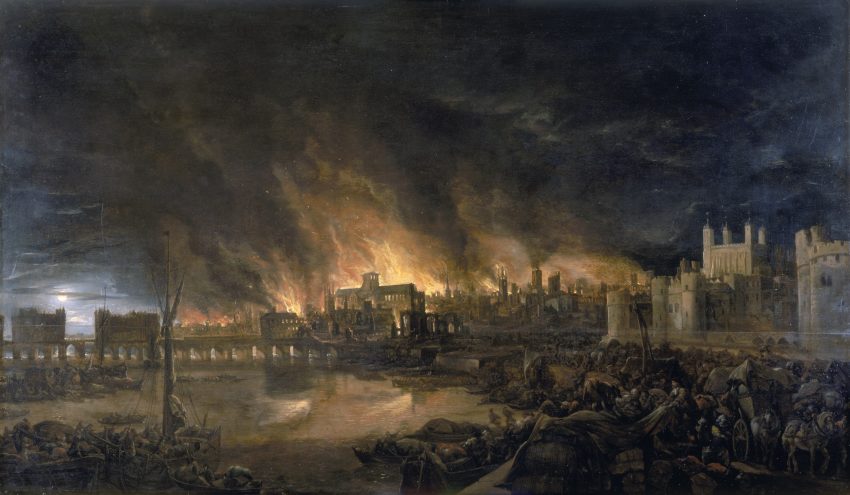
Picture this: it’s September 2, 1666, and Thomas Farriner, a baker on Pudding Lane, forgot to properly extinguish his oven before going to bed. What happened next would reshape one of the world’s greatest cities and change the course of European urban planning forever. The Great Fire of London wasn’t just a disaster—it was the catalyst that transformed a medieval city into a modern metropolis.
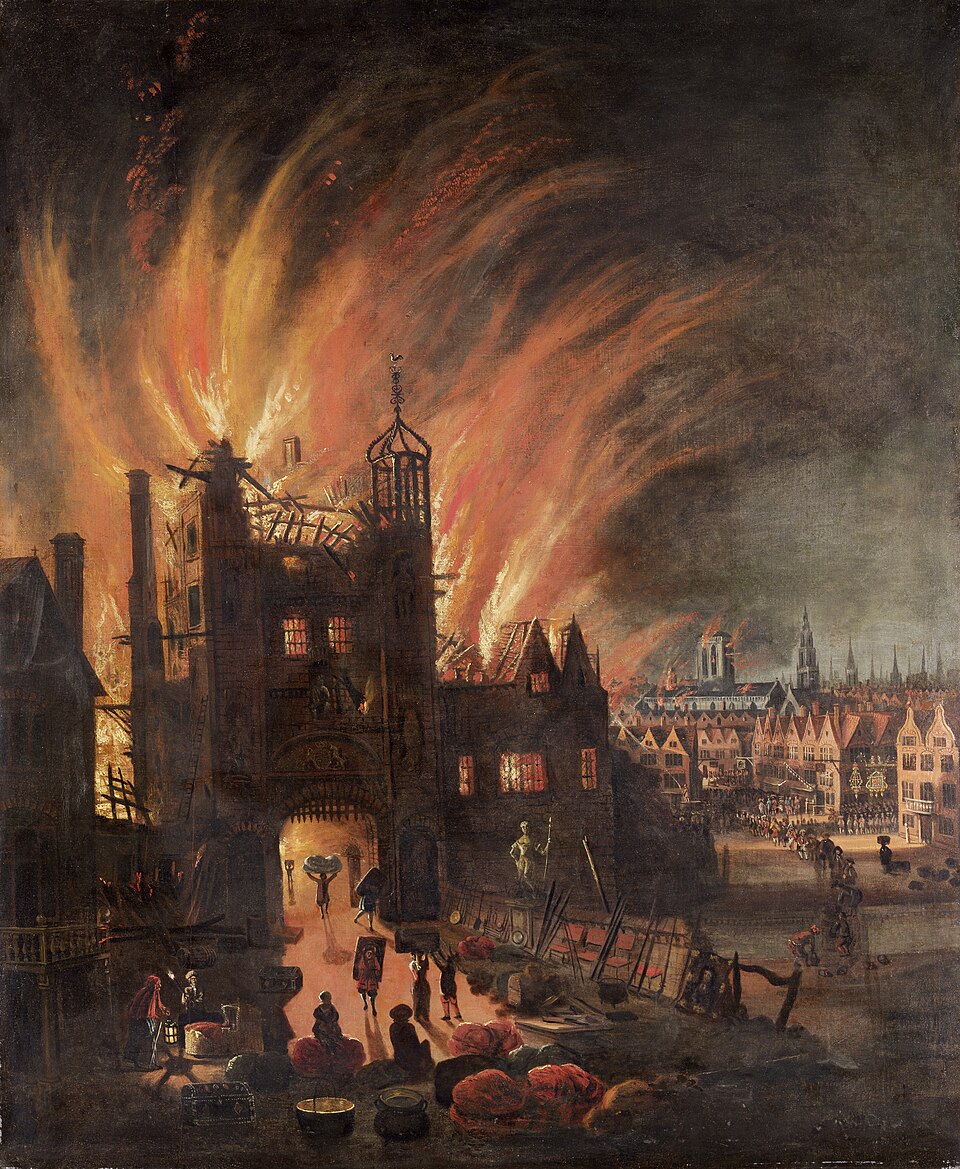
The fire started innocently enough in the early hours of that fateful Sunday morning. A spark from Farriner’s bakery caught the wooden building ablaze, and within hours, the flames were dancing across London’s narrow, timber-framed streets like an unstoppable force of nature. What made this fire so devastating wasn’t just bad luck—it was the perfect storm of circumstances that had been brewing for decades.
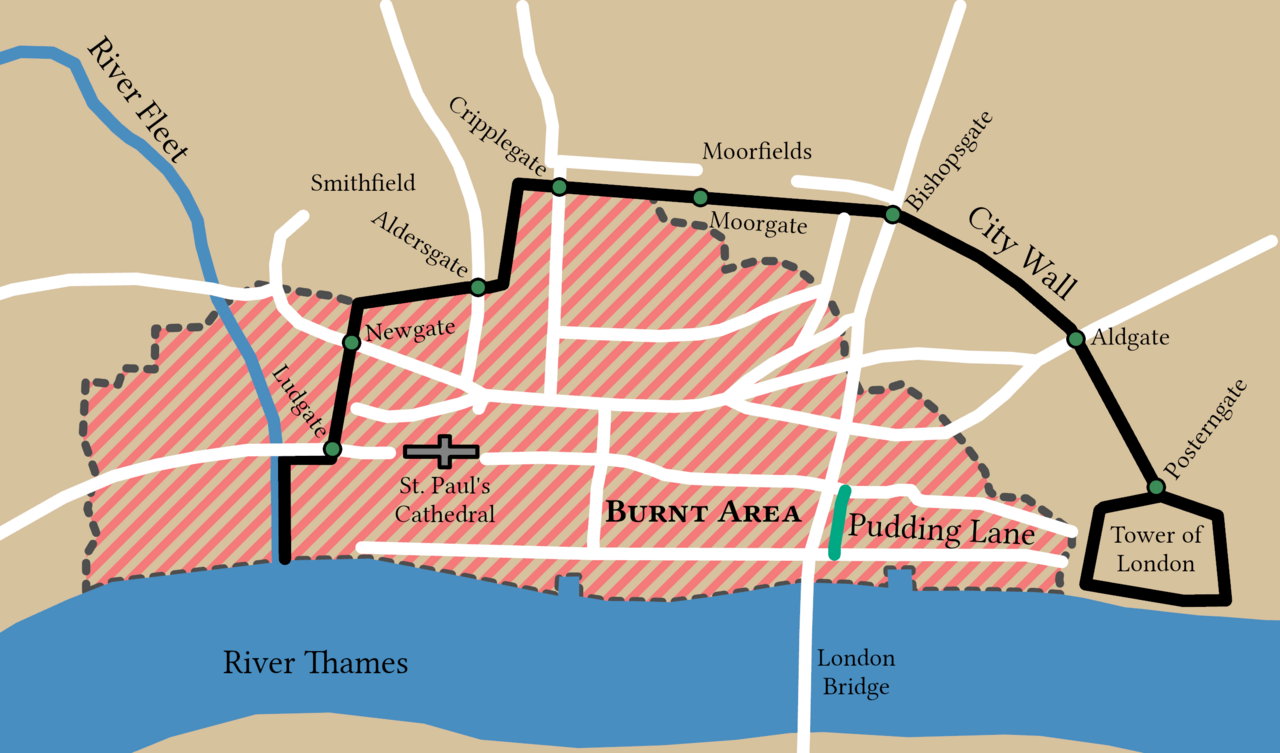
London in 1666 was a tinderbox waiting to explode. The city was packed with wooden buildings that leaned so close together you could practically shake hands with your neighbor across the street. The summer had been unusually dry, leaving timber bone-dry and ready to ignite. To make matters worse, strong easterly winds that weekend turned individual flames into a roaring inferno that consumed everything in its path.
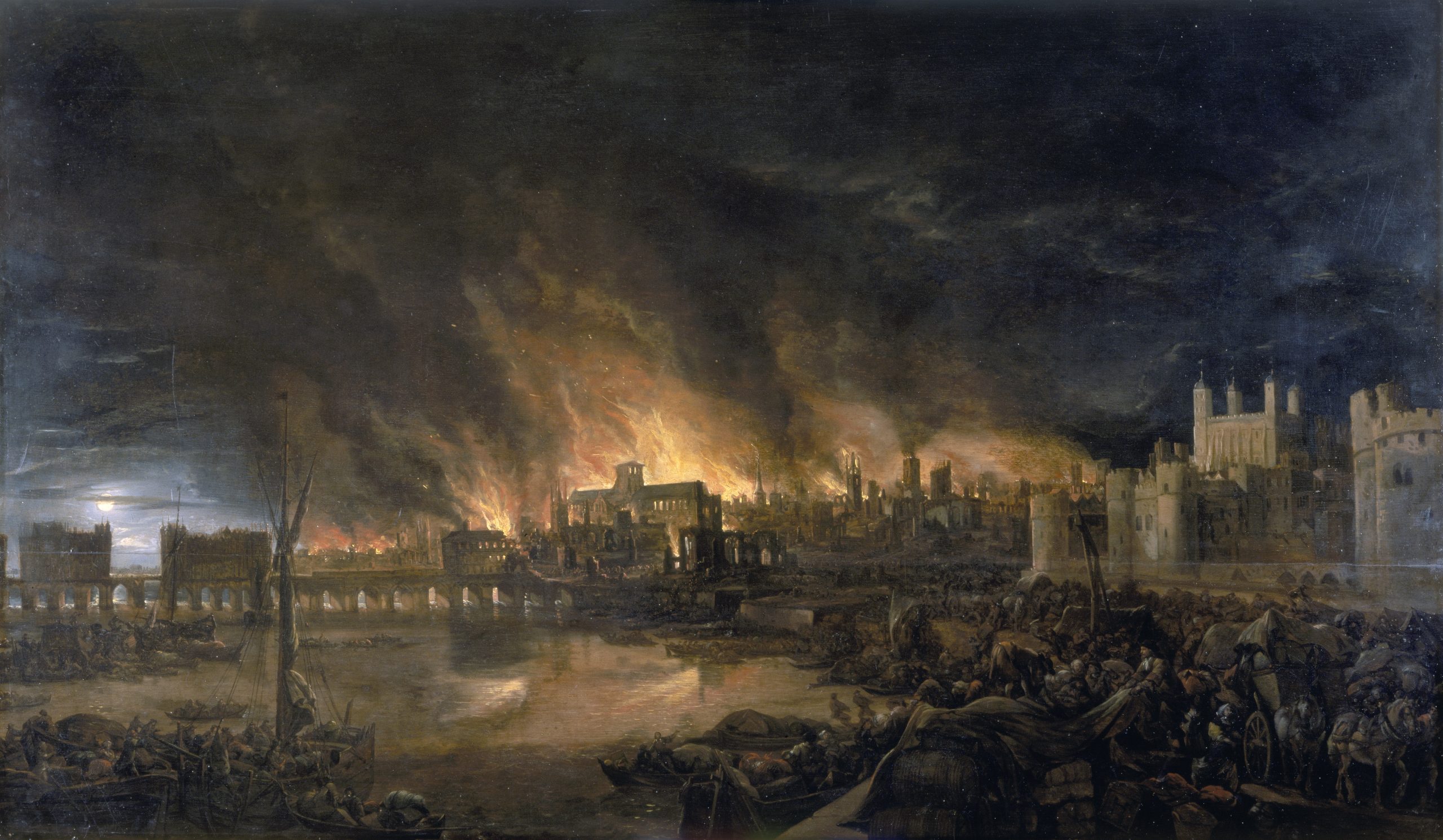
For four terrifying days, Londoners watched their city burn. The fire was so intense that it melted the lead roof of St. Paul’s Cathedral and turned the River Thames into a highway of desperate refugees fleeing with whatever possessions they could carry. Samuel Pepys, the famous diarist, described seeing people throwing their belongings into the river and burying their wine and cheese in their gardens to save them from the flames.
Here’s where the story gets fascinating: King Charles II himself rolled up his sleeves to fight the fire. The monarch was spotted passing buckets of water and even wielding a spade to create firebreaks. This wasn’t just royal PR—it was genuine leadership during a crisis that threatened to destroy his capital city. The king ordered the demolition of entire rows of houses to create gaps the fire couldn’t cross, a controversial but ultimately effective strategy.
When the smoke finally cleared, the statistics were staggering. The fire had consumed 13,200 houses, 87 churches, and most of the buildings within the old Roman city walls. Amazingly, only six people were officially recorded as dying in the fire, though historians believe the actual death toll was likely much higher, as many victims would have been poor residents whose deaths went unrecorded.
But here’s the remarkable twist: the Great Fire of London became one of history’s greatest urban renewal projects. Sir Christopher Wren, the brilliant architect, was commissioned to rebuild the city’s churches, including the magnificent new St. Paul’s Cathedral that still dominates London’s skyline today. The new London featured wider streets, brick and stone construction instead of timber, and improved sanitation systems.
The fire also had an unexpected benefit—it helped end the Great Plague that had been ravaging London for over a year. The intense heat destroyed the rats and fleas that carried the disease, effectively sterilizing large portions of the city. Sometimes destruction paves the way for something better.
Perhaps most importantly, the Great Fire led to the creation of the world’s first fire insurance company and established building codes that influenced urban planning across Europe. Cities from Paris to Vienna studied London’s rebuilding efforts and implemented similar safety measures in their own urban planning.
The Great Fire of London reminds us that sometimes the most catastrophic events in history become turning points that lead to progress and innovation. A baker’s forgotten oven sparked not just a fire, but a transformation that made London safer, more beautiful, and more modern. The next time you walk through London and admire Wren’s churches or notice the wide, well-planned streets, remember that they rose from the ashes of one of history’s most famous fires.