How The Jazz Singer In 1927 Changed Hollywood Forever
In October of 1927, crowds gathered outside the Warner Theatre in New York City expecting to see just another motion picture. What they experienced instead was a technological earthquake that permanently altered the course of Hollywood history. The Jazz Singer, starring Al Jolson, was not the first film to experiment with synchronized sound, but it was the first feature-length movie to successfully combine dialogue, music, and dramatic storytelling in a way that stunned audiences.
Before this moment, films were known as “silents,” though theaters were rarely quiet. Live pianists, orchestras, and sometimes even sound effects artists accompanied the action onscreen. Actors exaggerated their movements so audiences could follow emotional beats without hearing a single spoken word. Hollywood had perfected this visual language, and many insiders believed sound would be nothing more than a passing novelty.
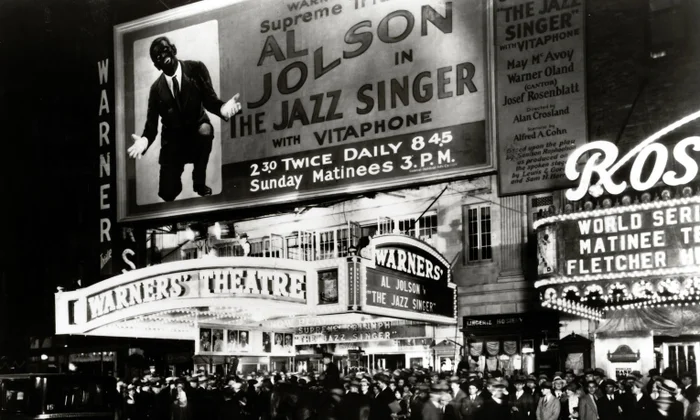
Warner Bros., then a relatively small studio compared to MGM or Paramount, was willing to gamble on innovation. The company adopted the Vitaphone system, which synchronized a phonograph record with the film projector. It was far from perfect; projectionists had to start both machines at precisely the right moment, and any slip could throw the entire performance out of alignment. Still, the studio sensed that audiences were ready for something new.
For most of its runtime, The Jazz Singer is actually structured like a silent film with musical interludes. Then comes the moment that electrified the theater. Jolson turns toward the camera and ad-libs the now legendary line: “Wait a minute, wait a minute. You ain’t heard nothin’ yet!” Viewers reportedly gasped. Some even stood up to get closer to the screen, convinced they were witnessing the impossible.
The film became a box office sensation, earning roughly $3.5 million — an enormous sum at the time — and rescuing Warner Bros. from financial uncertainty. Almost overnight, rival studios scrambled to convert their productions to sound. Within just a few years, silent filmmaking had virtually disappeared.
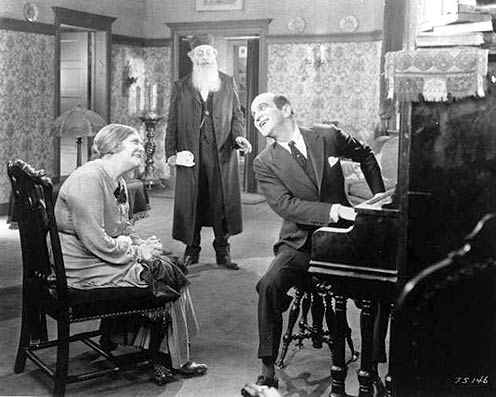
Yet the transition was not glamorous for everyone. Many silent stars saw their careers collapse. Some had thick accents that audiences rejected; others simply lacked the vocal presence needed for dialogue-heavy films. Clara Bow, one of the era’s biggest icons, struggled with the shift, while actors like Greta Garbo adapted successfully after voice coaching.
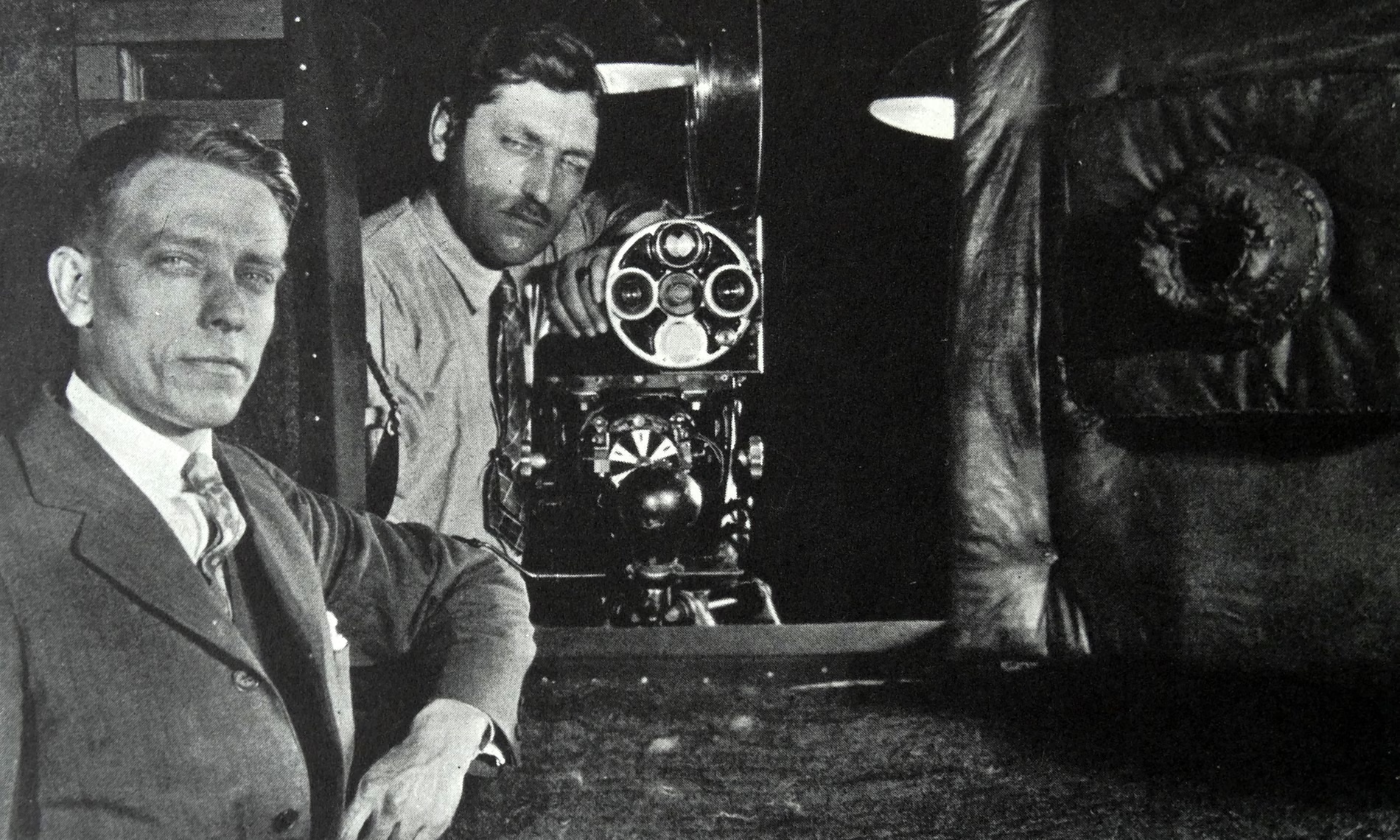
The technology itself reshaped filmmaking. Early sound cameras were bulky and noisy, forcing them into soundproof booths that limited movement. Directors suddenly found themselves staging scenes more like theater productions, with less visual freedom. It took time before filmmakers rediscovered the fluid camera techniques that had defined late silent cinema.
Still, sound opened creative doors that had never existed before. Musicals exploded in popularity, dialogue allowed for sharper comedy, and screenwriting became more sophisticated. Hollywood was no longer just something you watched — it was something you heard.
Looking back, it is difficult to overstate the courage behind Warner Bros.’ decision. Betting the future on an unproven technology could have destroyed the studio. Instead, it propelled the industry into the modern age.
Every time a character whispers a confession or a movie score swells at just the right emotional moment, it traces back to that October evening when audiences first realized the screen could speak.