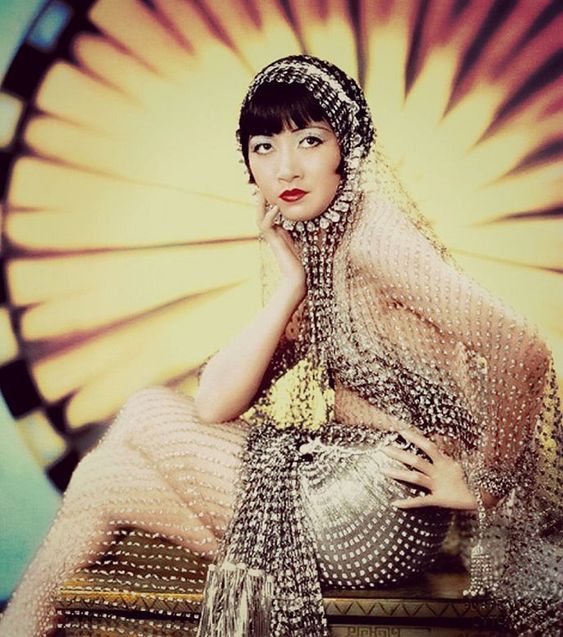
The name Anna May Wong may not be immediately recognizable to classic movie fans, but her pioneering career during Hollywood’s Golden Era set the stage for the diverse representation of Asian actors in the entertainment industry today. Wong’s career was significant not only for her strides in breaking down racial barriers, but also for her innovative approach to the craft of acting.
Wong was the first Chinese-American actress to appear in a major Hollywood production. Her leading role in the 1932 film Shanghai Express was a pivotal casting decision in an industry that was dominated by white actors. Wong’s success in the role was a testament to her talent, and her performance opened the door for other actors and actresses of color to be cast in mainstream films.
Anna May Wong was also one of the first Asian actors to be cast in a non-stereotypical role. She refused to take on roles that depicted Asians in a negative light and instead focused on portraying characters who were complex and nuanced individuals. Her progressive approach to acting enabled her to stand out from other actors of the time and paved the way for greater representation of Asian actors in Hollywood.
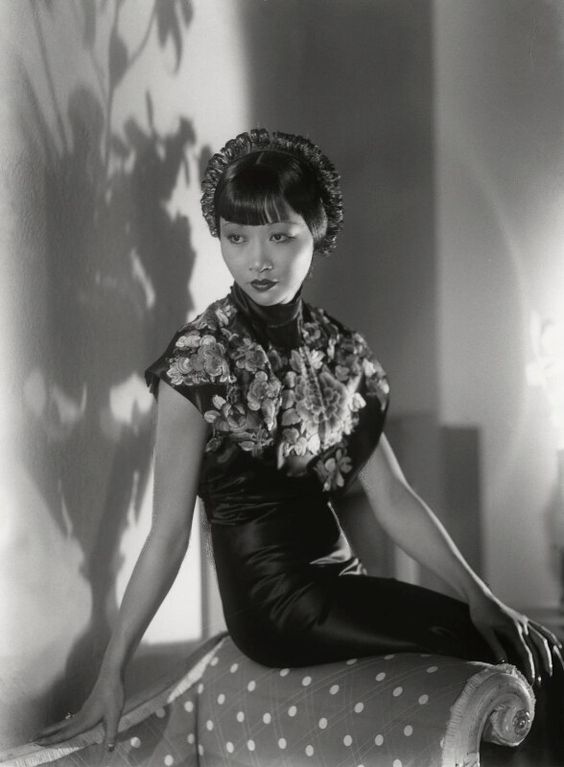
Anna May Wong was a trailblazer in breaking down the obstacles facing actors of color in Hollywood. She challenged the beliefs of the time that Asian actors were only capable of playing stereotyped characters and instead pushed for more diversity among cinematic characters. Her determination to break down these barriers enabled other actors to follow in her footsteps, and her legacy is seen in the progress that has been made in the industry today.
She was also one of the first Asian-American actors to be honored and recognized for her work. She received several accolades for her performances, including being nominated for a Golden Globe for her role in the 1955 film The Courtship of Eddie’s Father. This marked a major milestone for Wong and demonstrated how much progress had been made in terms of multicultural representation in the entertainment industry.
Her lengthy Hollywood film career spanned seven decades, beginning with her debut in the 1919 movie, The Red Lantern, and continuing until her final film, Portrait in Black, in 1960. She played the role of Tiger Lily in the 1924 silent film, Peter Pan. In the 1930s, Wong appeared in Daughter of the Dragon, When You Were Born, Dangerous to Know, and King of Chinatown. She also appeared in Impact, Bombs Over Burma, and Lady for Chungking.
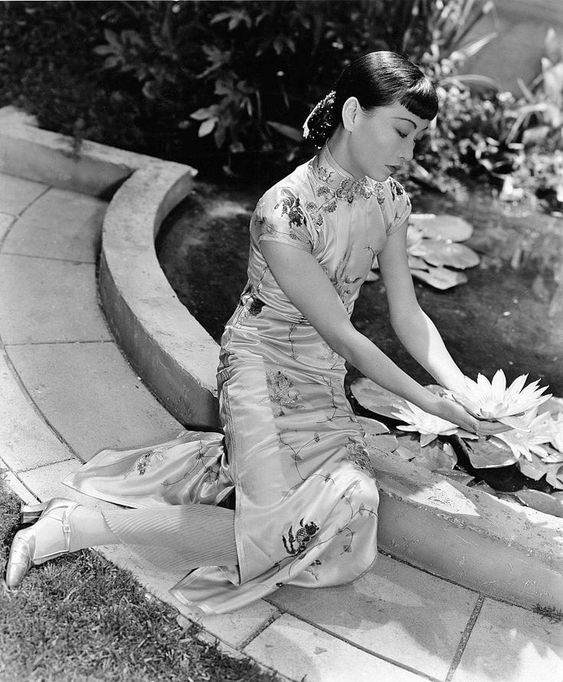
In 1960, Anna May Wong committed to play the role of Madame Liang in the movie adaptation of Richard Rodgers and Oscar Hammerstein’s Flower Drum Song, but she pulled out of production because of poor health. Shortly after, on February 3, 1961, Wong died in her sleep. The official cause was listed as heart failure.
Anna May Wong’s career in Hollywood was noteworthy because it showed audiences and movie studios that there was place for non-white performers on the silver screen. Her determination to break down barriers for actors of color enabled her to make a lasting impact on the industry. Her legacy is still felt today, and she remains an inspiration for Asian American performers who followed in her footsteps.