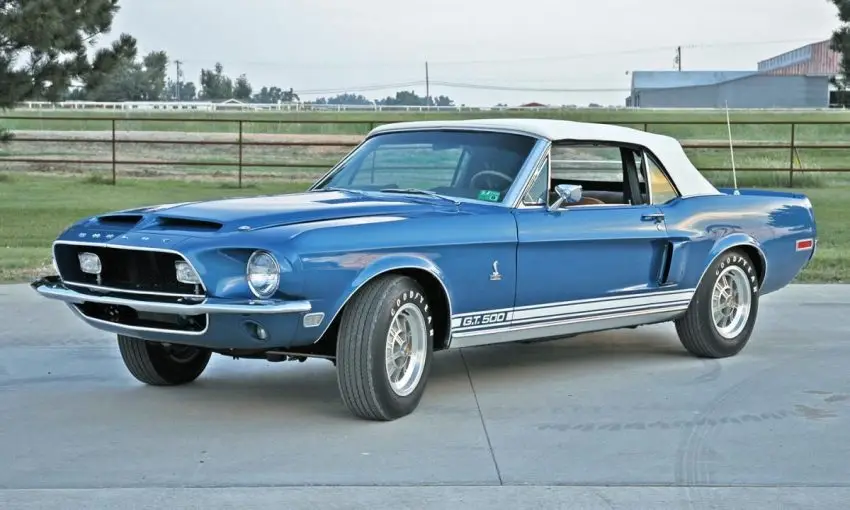
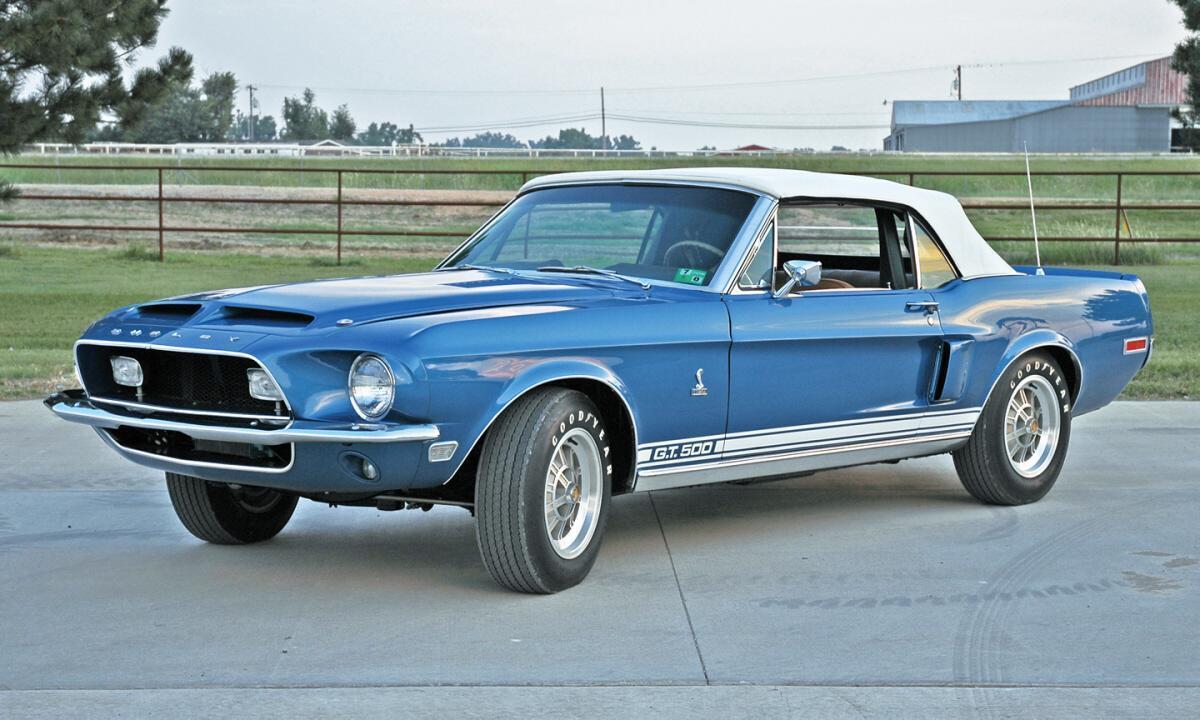
Few things capture the spirit of American car culture quite like the muscle car. Loud, fast, unapologetic, and dripping with attitude, muscle cars are more than vehicles—they’re rolling statements. The phrase “Baby You Can Drive My Muscle Car” perfectly sums up their appeal: confidence, freedom, and just a little bit of swagger.
Muscle cars first roared onto the scene in the early 1960s, when automakers realized drivers wanted more power for their money. The formula was simple but effective: take a mid-sized car, drop in a large V8 engine, keep the design bold, and price it so everyday people could afford it. The result was a new class of cars built for straight-line speed, tire-squealing takeoffs, and heads turning at every stoplight.
Some of the most iconic muscle cars came from this golden era. The Ford Mustang, Chevrolet Camaro, Dodge Charger, Pontiac GTO, and Plymouth Barracuda weren’t just transportation—they were cultural symbols. Each model had its own personality, whether it leaned toward sleek and stylish or aggressive and intimidating. Bright paint colors, racing stripes, hood scoops, and rumbling exhaust notes made sure these cars were impossible to ignore.
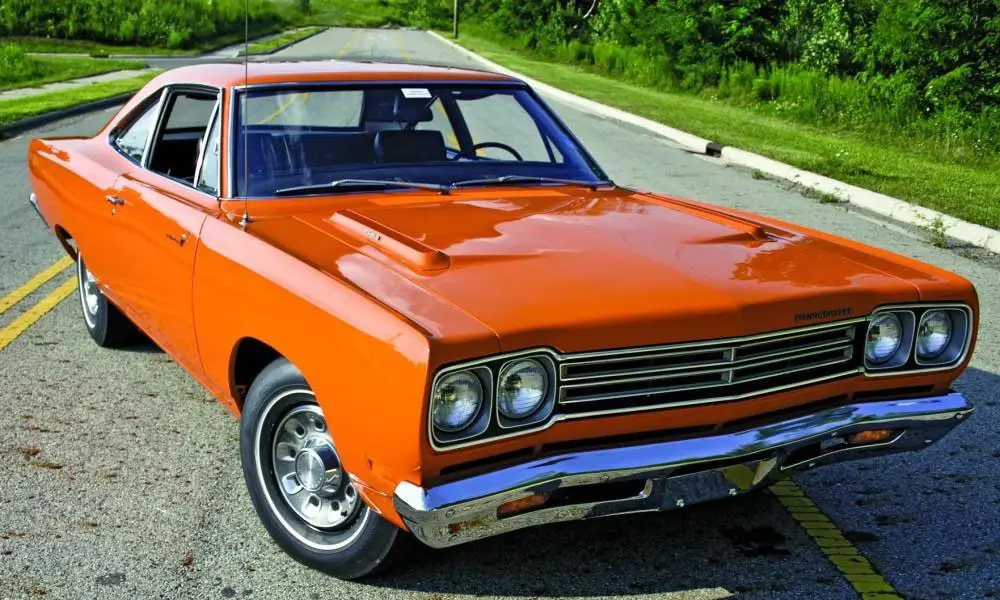
Muscle cars also became deeply tied to music, movies, and pop culture. They showed up in car chase scenes, album covers, and songs celebrating speed, rebellion, and youth. Driving a muscle car wasn’t just about getting from point A to point B—it was about how it made you feel behind the wheel. There was a sense of freedom that came with rolling down the windows, turning up the radio, and letting that engine speak for itself.
By the 1970s, changing emissions laws and fuel crises slowed the muscle car movement, but the legend never died. Enthusiasts kept the spirit alive through restorations, car shows, and weekend cruises. Then, decades later, muscle cars made a powerful comeback. Modern versions of classic models now blend old-school style with new-school technology, offering massive horsepower, improved handling, and updated safety features—without losing that unmistakable edge.
What makes muscle cars so enduring is their emotional pull. They’re not subtle. They’re not quiet. And they’re definitely not trying to blend in. Muscle cars are about bold choices and big sounds. They remind us of a time when cars were designed to excite, when the journey mattered just as much as the destination, and when driving felt like an experience rather than a chore.
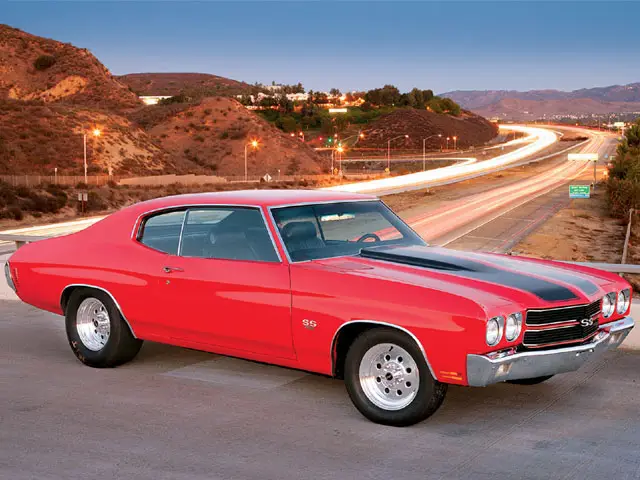
Today, muscle cars continue to attract fans of all ages. Some love the nostalgia. Others love the raw performance. Many simply love the attitude. Whether it’s a lovingly restored classic or a brand-new powerhouse rolling off the lot, muscle cars still make people stop, stare, and smile. They’re rolling reminders that sometimes, life is better with a little extra noise and a lot more horsepower.
So when someone says, “Baby you can drive my muscle car,” it’s more than an invitation—it’s an offer to share a piece of automotive history, freedom, and fun. And honestly, who could say no to that?