The historical action film, Ivanhoe, which was released in 1952 and based on the 1819 novel by Sir Walter Scott, brought the chivalry, romance, and courtliness of Medieval England to the silver screen. The movie featured an ensemble cast, rousing music, and iconic and historic filming locations. Upon its release, Ivanhoe set a new box office record for its studio, MGM. Here are some of the fun facts about Ivanhoe.
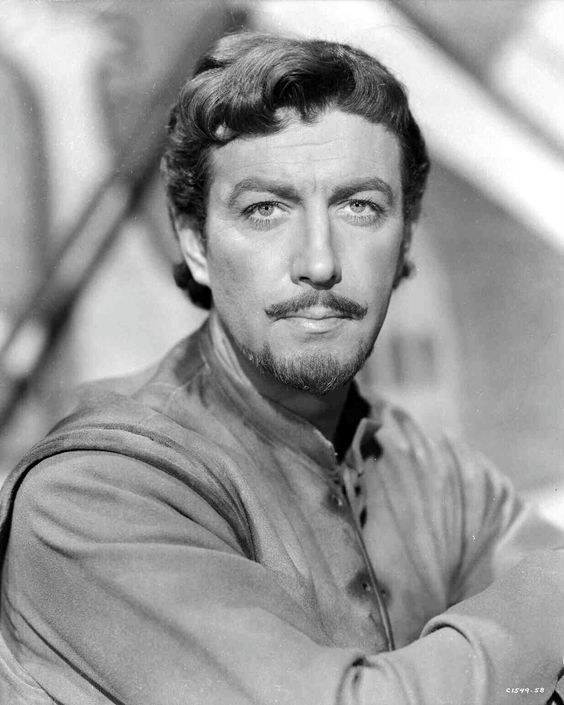
Ivanhoe boasted an impressive ensemble cast that included some of Hollywood’s biggest names. Actor Robert Taylor played the lead role of Ivanhoe, while actresses Elizabeth Taylor and Joan Fontaine portrayed Rebecca and Rowena. George Sanders had the role of Sir Brian de Bois-Guilbert. Ivanhoe was directed by Richard Thorpe and produced by Pandro S. Berman.
Elizabeth Taylor was much younger than the character she played, and Robert Taylor was nearly twice as old as his character. In fact, throughout the filming of Ivanhoe, Elizabeth Taylor believed she had been miscast. The studio even considered replacing her with Deborah Kerr, but in the end, Taylor remained on the cast.
MGM filmed Ivanhoe on location in England. The filmmakers made use of several iconic medieval castles and cathedrals as the backdrops for the film. Even the picturesque English countryside was featured in the film.
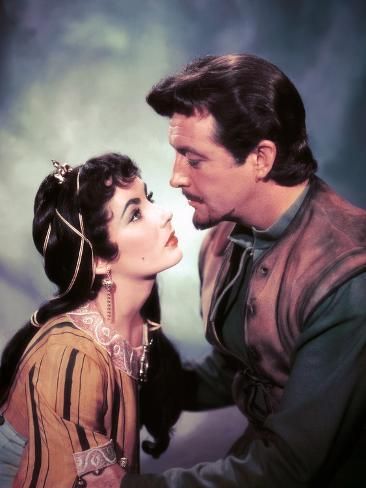
In the opening of Ivanhoe, the title character searches for the missing King Richard I by disguising himself as a singing minstrel named Blondel and going from castle to castle singing the King’s favorite song. He learned where King Richard was being held prisoner by listening when the King sang along. This was not a Hollywood plot device. According to Sir Walter Scott’s account, this is historically accurate. Ivanhoe, disguised as Blondel, not only found where King Richard was being held – the castle of Leopold of Austria – but he alerted the Normans where to find him.
There were, however, some notable differences between Scott’s novel of 1819 and the Hollywood film version of Ivanhoe 133 years later. In the movie, courtly romance was added, and the heroic nature of the characters was emphasized. This was done to appeal to moviegoers who wanted to see characters motivated by love and the innate desire to do good.
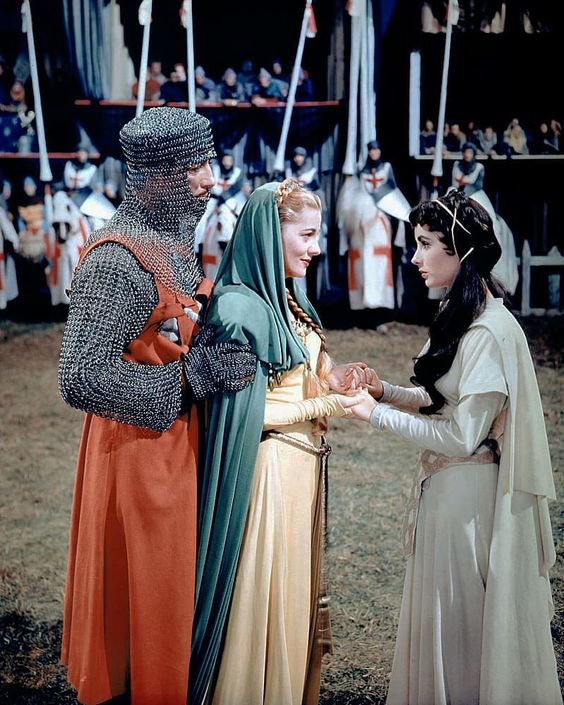
A highlight of Ivanhoe was the jousting tournament scene. The film’s production crew went to great lengths to give this scene an authentic feel and make the action heart-pounding and thrilling. MGM hired experienced jouster – men who participate in medieval reenactments – to bring more action and excitement to the scene. It worked. The jousting tournament scene in Ivanhoe is the most memorable one in the film.
One of the archers in Ivanhoe was not an actor at all, but a World War II hero with an incredible story. His name was Mad Jack Churchill. An expert archer, Churchill insisted on carrying a sword and longbow into battle in 1940. During one particular raid on a German stronghold, Churchill killed an advancing German soldier with his bow and arrow, making him the last British soldier to kill and enemy combatant in battle using a longbow.
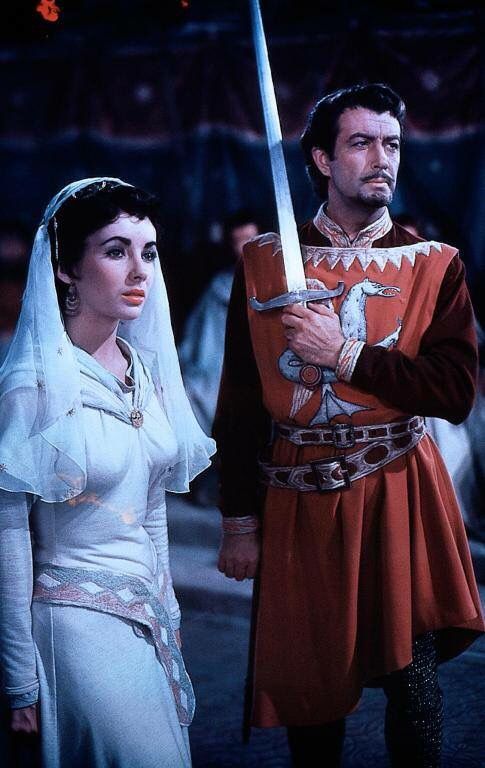
Hungarian composer Miklos Rozsa composed the musical score for Ivanhoe. Rozsa agreed to compose the music for the film because, as he later explained, Scott’s novel, Ivanhoe, was his favorite book as a child. But when he received the script for Ivanhoe, however, he was greatly disappointed. He felt that the film took too big a departure from the historical novel, and he was disenchanted to see that the script was nothing more than a typical Hollywood tale. Undeterred, Rozsa let Scott’s original words serve as his motivation when he wrote the music. His approach proved to be successful. Rozsa’s score earned him nominations for both an Academy Award and a Golden Globe.
Upon its release, Ivanhoe received positive reviews from film critics. Moviegoers flocked to see the film. The film set a new box office sales record for MGM and was the studio’s top earner for the year.
Ivanhoe remains a classic example of an epic adventure film of the Golden Age of Hollywood, in part because of its musical score, action sequences, impressive performances, and engaging story line. The beautiful cinematography and the old-world charm of England also added to the film’s appeal. Ivanhoe played a significant role in shaping the medieval adventure genre in cinema. Its influence can be seen in many subsequent films and television movies. It helped to spark an interest in tales of knights, damsels in distress, and chivalry.