In a world of Marilyn Monroes, Sophia Lorens, and Jayne Mansfields, Doris Day stood out because of her good-girl relationship in Hollywood. During the 1950s and 1960s, most of Doris Day’s movie roles cast her as wholesome, virtuous characters who were independent and strong-willed, yet maintained their innocence and moral values. Day’s personal life reinforced this image. She was known as a devoted mother, animal lover, and philanthropist.
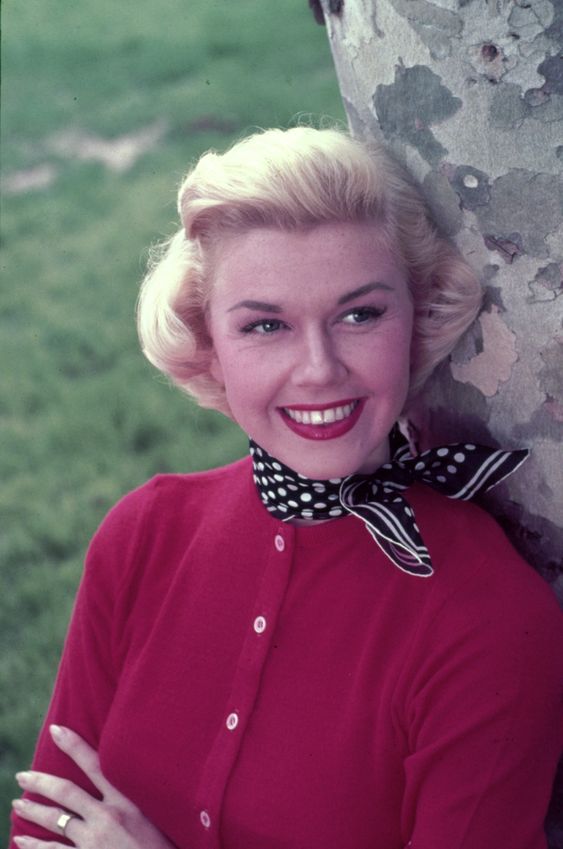
Doris Day began her career as a singer and performed with big bands during the 1940s. Her first big hit song was “Sentimental Journey” which she recorded in 1945. Her other signature song was “Que Sera, Sera (Whatever Will Be. Will Be)” which won an Academy Award for Best Original Song when it was used in the 1956 film, The Man Who Knew Too Much.
Doris Day transitioned to acting and made her film debut in 1948 in the musical, Romance of the High Seas. During the 1950s and 1960s, she appeared in a string of romantic comedies. Day was typecast as the wide-eyed, innocent beauty who was learning to navigate the world of love and romance. Among her more memorable roles were The Pajama Game in 1957, Pillow Talk in 1959, and Move Over, Darling in 1963. She earned an Academy Award nomination in the Best Actress category for his performance in Pillow Talk.
As the 1960s progressed and public attitudes about sex changed, Doris Day’s films were increasingly seen as old-fashioned and boring. Although her 1965 movie, Don’t Not Disturb, performed well at the box office, Doris Day’s good-girl persona made her the butt of jokes and ribbing. Critics referred to her as “The World’s Oldest Virgin.” Her movies became less and less popular as the sexual revolution left moviegoers clamoring for more salacious material and storylines.
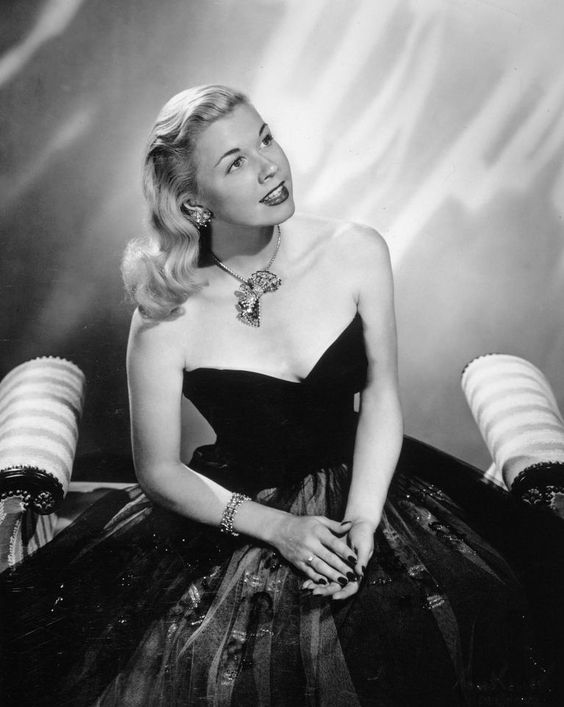
Doris Day could have changed to keep with the times, but she adamantly stuck to her moral standards. And those standards were fairly high. For example, Day was invited to audition for the role of Mrs. Robinson in the 1967 film The Graduate, but she rejected the part because it did not align with her morals and beliefs. She later stated that she thought the script was “vulgar and offensive.” The role was given to Anne Bancroft instead.
You might think that there is nothing controversial about playing good-girl roles, but Doris Day was criticized for her selection of movie roles. Film critics and feminist activists complained that Day’s on-screen persona perpetuated outdated, traditional gender roles and reinforced restrictive stereotypes about women.
Behind the scenes, Doris Day’s personal life did not always reinforce her good-girl image. She was married four times. Her first husband, trombonist Al Jorden, to whom she was married from 1941 to 1943, was schizophrenic and prone to violent outbursts. When Day became pregnant, he tried to force her to have an abortion. When she refused, he beat her, hoping to cause her to miscarry the child. It did not work. She gave birth to her son, Terry, in 1942. Al Jorden committed suicide.
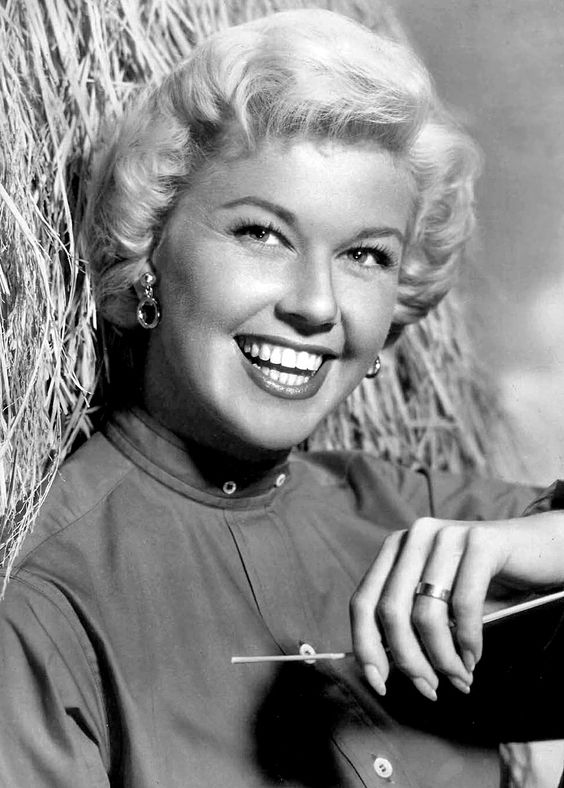
From 1946 to 1949, she was married to George William Weidler. After they split, she married producer Martin Melcher in 1951. Melcher adopted her son, Terry, and even produced several of Day’s films. Her third husband, however, made some unwise financial investments that resulted in the loss of all of Doris Day’s money. She had to declare bankruptcy. Some of the business dealings Melcher made were rather dubious and his sudden death prevented lawsuits against him and, by extension, Day.
Her last marriage was to Barry Comden, an employee at Doris Day’s favorite restaurant. They married in 1976 and divorced in 1982. Afterwards, Comden noted that Day, a lifelong animal lover, cared more for her animals than she did for him.
During her marriages, Doris Day was rumored to have had several affairs, including trysts with Ronald Reagan and Patrick O’Neal. It was alleged that Day had an interracial affair with baseball player Maury Wills of the Dodgers. Doris Day, for her part, tried to be discreet and keep her personal life out of the Hollywood tabloids, in part because she knew that her real life did not measure up to her wholesome, virginal, on-screen image and good-girl persona.