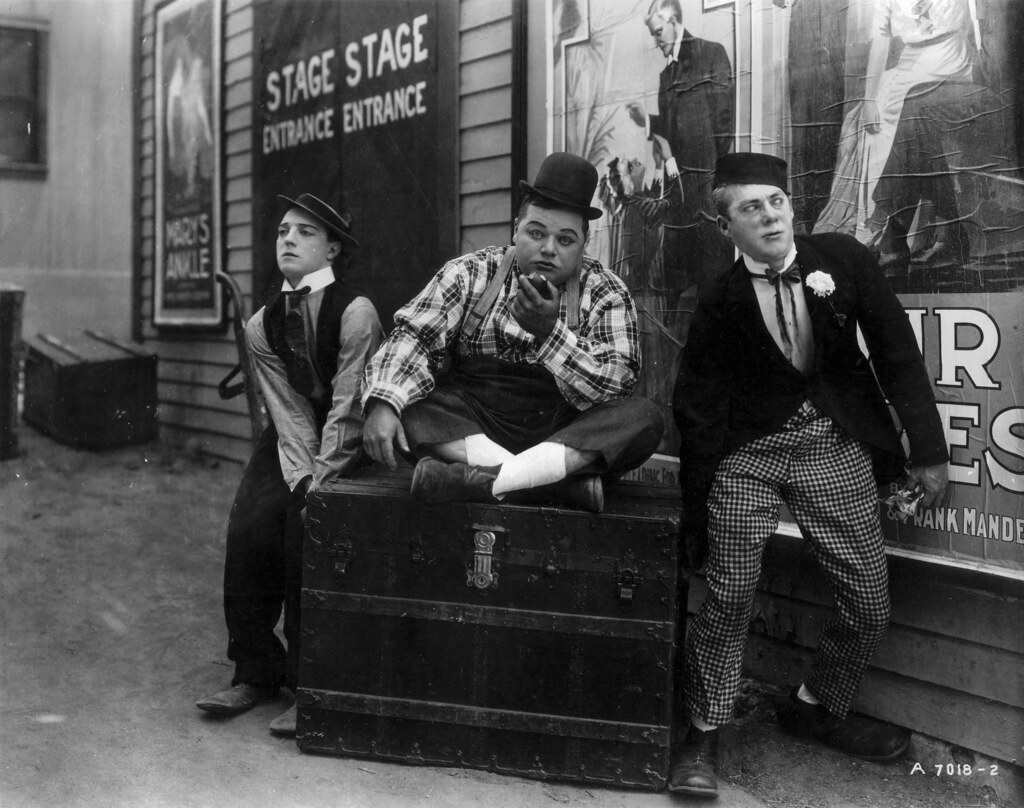
The current “fake news” era of journalism has nothing on the Yellow Journalism era of the 1920s when publishers vied with each other to sell more newspapers even if that meant printing sensational stories and outright lies. This was the setting in which a young, aspiring actress tragically died and one of America’s most popular actors and comedians stood accused of a heinous crime. Was Fatty Arbuckle guilty of rape and manslaughter or was he the victim of a hungry press?
Roscoe Conkling, who used the stage name Fatty Arbuckle, was a portly comedian and actor who made a career out of being the lovable fat guy during Hollywood’s silent film era. He appeared in more than 100 films and was one of the first actors to be paid a million dollars for his work. Some of his most notable movies include The Bell Boy in 1918, The Garage in 1919, The Kid in 1921, and The Round Up in 1920.
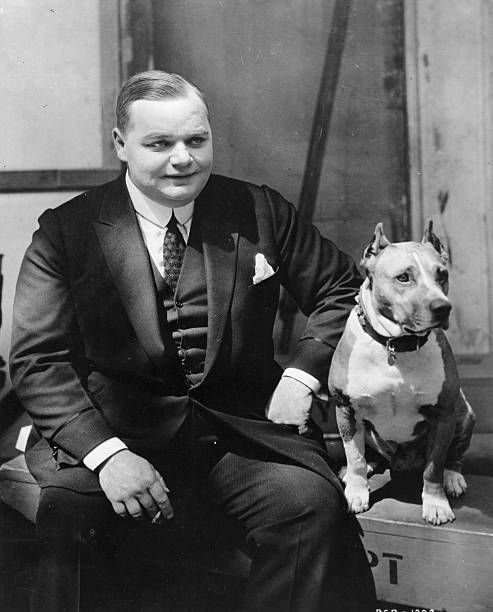
On September 5, 1921, Fatty Arbuckle and two friends rented three adjoining rooms at a San Francisco hotel and threw a big party. During the festivities, one of the women invited to the party found her friend, a 30-year-old aspiring actress named Virginia Rappe, severely ill in one of the adjoining rooms. A doctor was summoned who stated that the woman was simply intoxicated. He administered a dose of morphine and told her to sleep it off. Over the next two days, however, Rappe’s condition worsened, and she was taken to the hospital where she died.
The doctors at the hospital concluded that Virginia Rappe died from peritonitis caused by a ruptured bladder. Rappe’s friend shared with the doctor that Rappe suffered from chronic urinary tract infections, but she also stated that Rappe had been raped at the party … by Fatty Arbuckle. Although the doctors could find no signs of rape, when the police were brought in, the story took on a life of its own. The police detectives claimed that Fatty Arbuckle’s weighty body and the force of the rape resulted in Rappe’s ruptured bladder. The newspapers reported that Arbuckle raped Rappe with various objects, from ice to a Coca-Cola bottle to a champagne bottle.
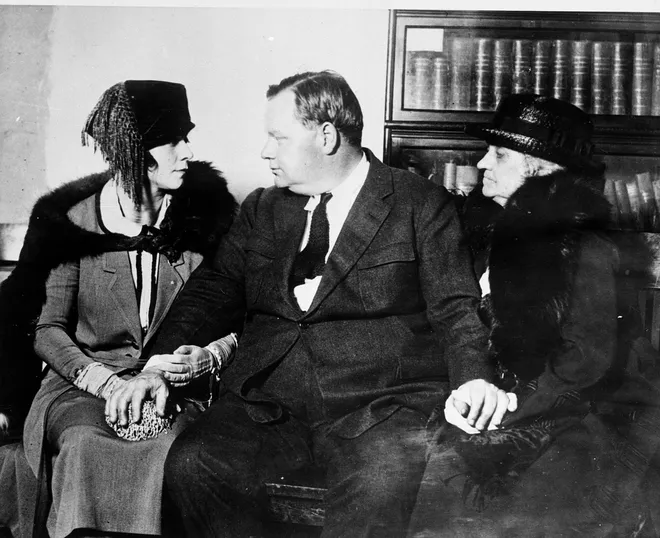
Fatty Arbuckle denied any wrongdoing, but in the eyes of the newspapers and the public, he was guilty. His arrest and trials – he stood trial three times – were front-page news. The once-popular actor was suddenly portrayed in the newspapers as a perverted, lecherous sex fiend. Reporters and newspaper publishers sensationalized every small detail in the case and Arbuckle was declared guilty in the court of public opinion. Newspaper magnate William Randolph Hearst made sure that the Fatty Arbuckle story stayed alive in the press, at least in the chain of newspapers he owned. He later remarked that because of the Fatty Arbuckle case, he “sold more newspapers than any event since the sinking of the Lusitania.” Many newspapers were so eager to scoop their competitors that the information they published was wrong or highly exaggerated. Some newspapers even went so far as to suggest that Arbuckle was guilty before he had even gone to trial.
Arbuckle’s first two trials ended in a hung jury. After the third one, Fatty Arbuckle was eventually acquitted of all charges, but the scandal damaged his reputation so badly that he was never able to regain his former level of fame. The details of the case were murky, and the evidence was circumstantial at best. Years later, researchers looking into the case doubt that Arbuckle raped Virginia Rappe. She may not have been raped by anyone the night of the party. Her chronic urinary tract infections could have contributed to her perforated bladder. Perhaps, as Arbuckle tried to say, Rappe’s friend pointed a finger at Arbuckle just to try to get money out of him.