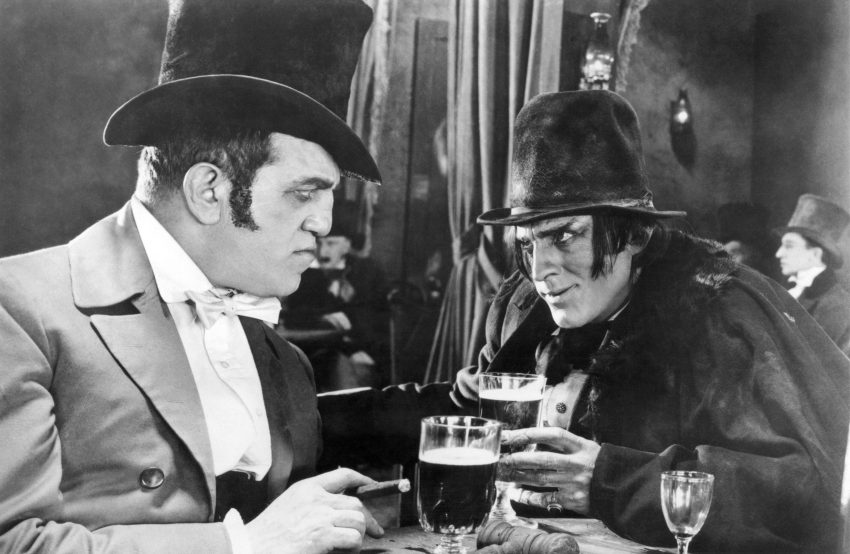
The Dawn of Sci-Fi in the Golden Age
Step back in time with me to the mid-20th century, a period often referred to as the Golden Age of science fiction. This was a time when the genre really began to explore its potential and secure a firm foothold in popular culture. It was an era defined by remarkable authors like Isaac Asimov, Robert A. Heinlein, and Arthur C. Clarke. Their imaginative creations were not just stories spun from thin air; they were reflections of the societal and political climate of the times.
The Golden Age of sci-fi, roughly spanning from the 1940s to the 1960s, was a period of rapid change and development, with World War II and the Cold War shaping the world’s political landscape. Simultaneously, the advent of nuclear technology and the space race sparked a sense of wonder, fear, and curiosity about the universe and our place in it. It was in this dynamic environment that sci-fi storytelling found fertile ground to grow and evolve.
Let’s explore this further, diving into how societal and political changes during this era influenced the genre and shaped the narratives that continue to captivate us today.
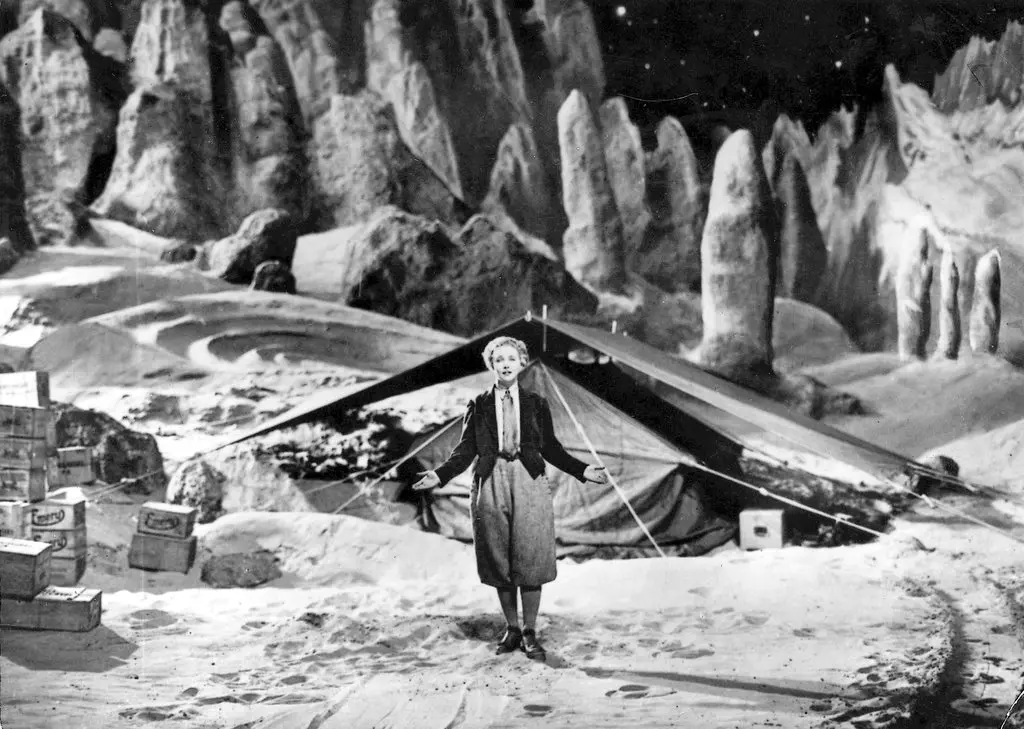
World War II and the Emergence of Dystopian Narratives
The devastation of World War II had lasting impacts on the global psyche. The horrors of war, the death toll, and the nuclear bombings of Hiroshima and Nagasaki led to a collective existential crisis. The world had seen the destructive potential of technology, and it was terrifying.
Science fiction authors were not immune to these societal sentiments. They began to incorporate these fears and anxieties into their stories, leading to the emergence of dystopian narratives. Stories like George Orwell’s “1984” and Ray Bradbury’s “Fahrenheit 451” painted grim pictures of future societies, marked by oppressive governments, rampant surveillance, and the suppression of individual freedoms.
These stories were not just about future societies gone wrong; they were warnings, urging readers to reflect on the state of their own societies and question the trajectory they were on. It was a powerful way for authors to engage with and comment on the political and societal climate of their time.

Cold War Paranoia and the Alien Invasion Trope
The post-World War II period plunged the world into the Cold War, a time of heightened political tension between the United States and the Soviet Union. This era was marked by a pervasive fear of the ‘other,’ the unknown enemy, and the potential for cataclysmic nuclear warfare.
Sci-fi storytelling latched onto these fears, giving rise to the popular trope of alien invasions. Stories like “The War of the Worlds” by H.G. Wells, depicted extraterrestrial beings as threats bent on human destruction or domination. These narratives mirrored the fear and mistrust that characterized the Cold War period, with the alien invaders often serving as metaphors for the perceived ‘enemy.’
However, not all sci-fi narratives of the time depicted aliens as hostile invaders. Some, like Arthur C. Clarke’s “Childhood’s End,” portrayed them as advanced civilizations bringing enlightenment and progress to humanity. These stories reflected a more optimistic, albeit cautious, view of the unknown and the potential for international cooperation.
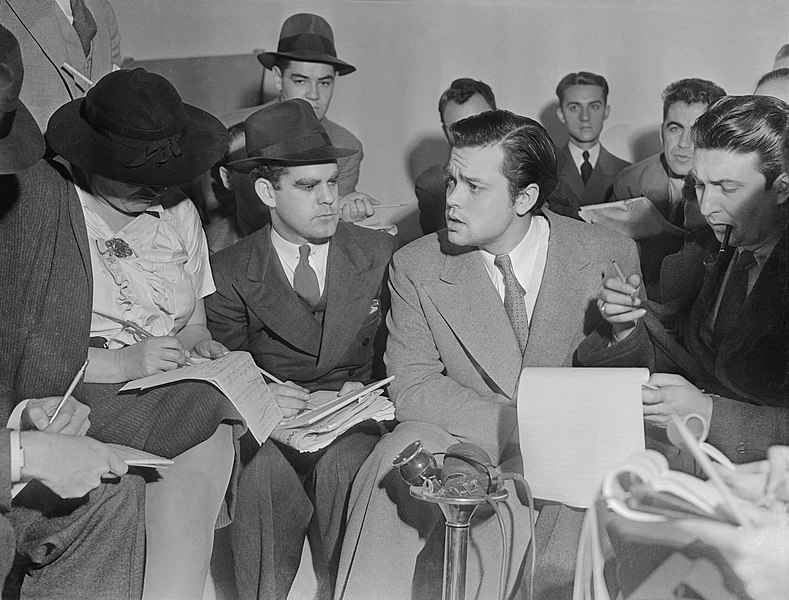
The Space Race and the Exploration of Cosmic Frontiers
The 20th century was also the age of space exploration. The competition between the U.S. and the Soviet Union to conquer the final frontier captured the world’s imagination. This period of intense technological advancement and exploration fed directly into sci-fi narratives.
Science fiction writers, inspired by the possibilities of space travel, began crafting stories centered around interstellar exploration and colonization. Robert A. Heinlein’s “Starship Troopers” and Isaac Asimov’s “Foundation” series are prime examples of this trend. These narratives not only reflected the excitement of the space race but also raised questions about human nature, societal structures, and our responsibilities as potential colonizers of other worlds.
Moreover, the exploration of cosmic frontiers also opened up new avenues for authors to explore the concept of ‘otherness’ and grapple with existential questions about humanity’s place in the universe.
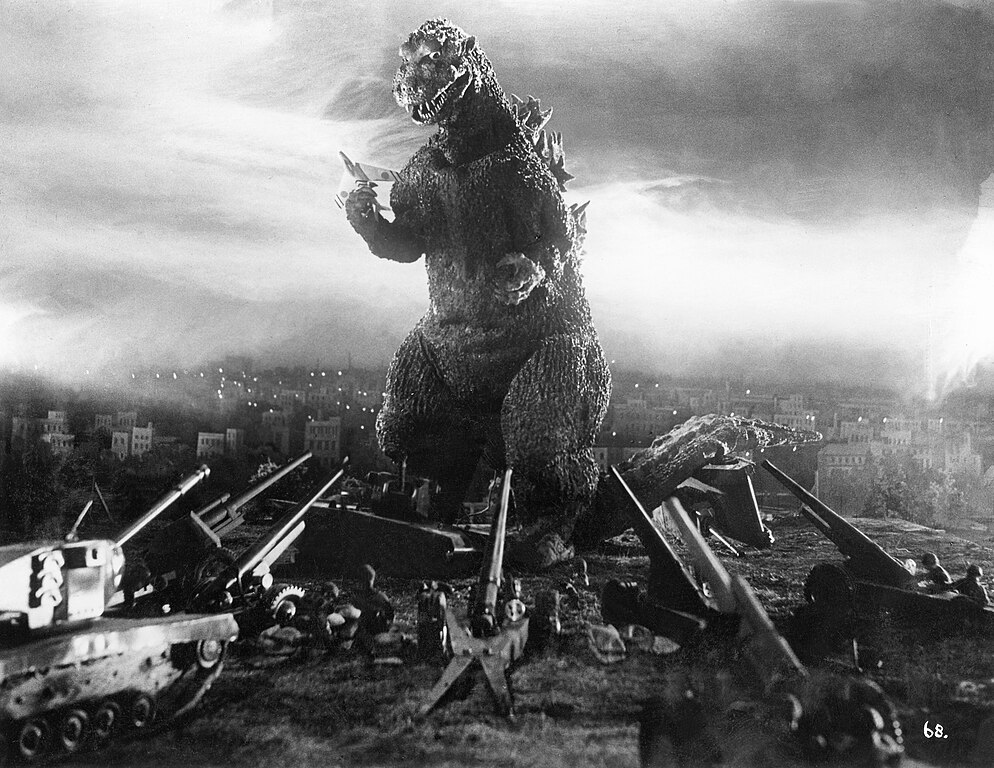
Wrapping Up
The Golden Age of sci-fi was more than just a period of prolific storytelling. It was a time when authors harnessed the power of narrative to reflect, critique, and question the world around them. The societal and political changes of the time were not just backdrop but active influences, shaping the themes, narratives, and tropes of the genre.
As we continue to navigate our own tumultuous times, it’s worth revisiting these classic sci-fi narratives. They serve as reminders of the power of storytelling, not just as a means of escape, but as a tool for engaging with our realities and imagining possible futures.
Whether you’re a website owner looking to engage your audience, an ecommerce business trying to connect with customers, or a social media manager aiming to spark conversations, there’s much to learn from the Golden Age of sci-fi. It’s a testament to the enduring power of storytelling and its ability to reflect, resonate, and inspire even in the face of constant change.