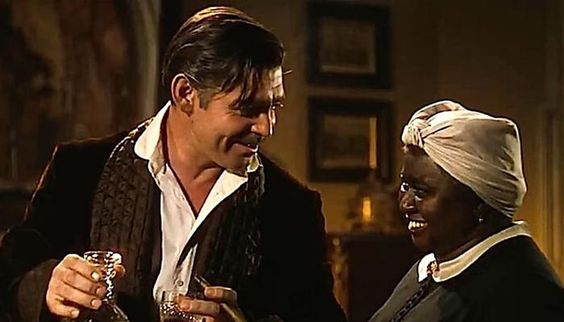
When Hollywood heartthrob Clark Gable was cast in the lead role of Rhett Butler in the 1939 epic film, Gone with the Wind, he saw a familiar face on the set. Just a few years earlier, in 1935, Gable appeared in the film China Seas alongside African American actress Hattie McDaniel and was pleased to see that she was set to portray Mammy in Gone with the Wind. Clark Gable greatly admired McDaniel’s work and the two shared a wicked sense of humor that bonded them in friendship, a rarity in the segregated Hollywood movie industry of the 1930s.
From their first project, China Seas, Gable and McDaniel became great friends and that relationship was only strengthened when the two worked on Gone with the Wind together. When Hattie McDaniel appeared in China Seas, her name was omitted from the credits even though, as part of the promotional advertising from the film, she was referred to as “one of the most prominent performers of her race.” This type of exclusion was commonplace at the time and, although disappointed, McDaniel could do nothing about it except to continue to excel at her craft.
Both Clark Gable and Hattie McDaniel were pranksters and, finding a kindred spirit in each other, they waged a prank war against each other while filming Gone with the Wind. Reportedly, Gable once substituted cognac for Hattie’s regular tea … to her great amusement.
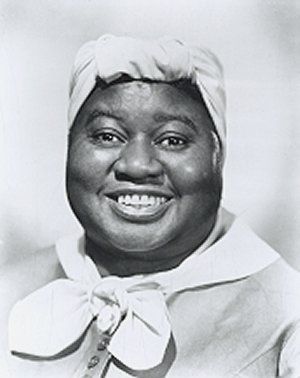
Upon its release, Gone with the Wind was a huge box office success … and a somewhat scandalous one. Clark Gable’s famous line, “Frankly my dear, I don’t give a damn,” shocked moviegoers. Despite this, Gone with the Wind set a record with 13 Academy Award nominations. In addition to a Best Film nomination, Clark Gable was nominated for Best Actor and Hattie McDaniel was nominated for Best Supporting Actress, as was another Gone with the Wind actress, Olivia de Havilland who played Melanie in the movie.
Clark Gable was outraged when he learned that his pal, Hattie McDaniel, would not be able to sit with him and the rest of the Gone with the Wind cast at the Academy Awards presentation. It was 1940 and Jim Crow laws were still prevalent. In fact, the Coconut Grove nightclub at The Ambassador Hotel, the venue for the awards dinner, had a strict whites-only policy.
When he learned that McDaniel would only be allowed to attend if she sat at a table tucked in a corner far in the back of the room, Gable considered boycotting the event. It was McDaniel who talked to Gable and convinced him to still go to the Academy Awards presentation. She explained to him that, although it wasn’t right, she was used to the racial discrimination of the day. Months earlier, McDaniel was banned from attending the premiere of Gone with the Wind when it opened in Atlanta because the Jim Crow laws of Georgia prohibited African Americans from attending non-segregated cinema shows. Hattie McDaniel, however, got the last laugh.
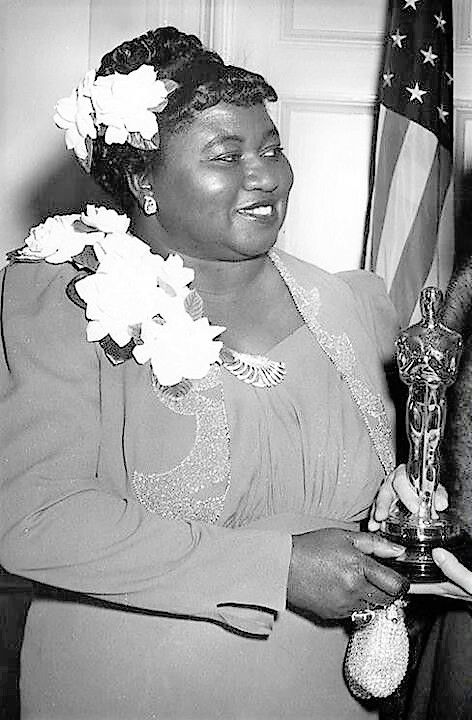
Gone with the Wind won eight awards at the Academy Awards. One of those Oscars went to Hattie McDaniel for Best Supporting Actress for her portrayal of Mammy, the first African American to win an Academy Award. Clark Gable left the event empty handed, as the Best Actor Oscar was presented to Robert Donat for Goodbye, Mr. Chips.
Hattie McDaniel’s historic Academy Award win added fuel to some critics who felt that Gone with the Wind portrayed black slaves as perpetually happy in their subservient roles, rather than showcasing their struggles. McDaniel, in particular, was called out for playing servants. She responded by quipping, “I’d rather play a maid than be a maid.”