Prior to 1934, men in the United States wore white cotton undershirts beneath their shirts. Always. Since all men were socially obligated to wear undershirts, the industry thrived. That is, until Clark Gable almost put an end to the men’s undergarment industry after one scene in the 1934 romantic comedy, It Happened One Night.
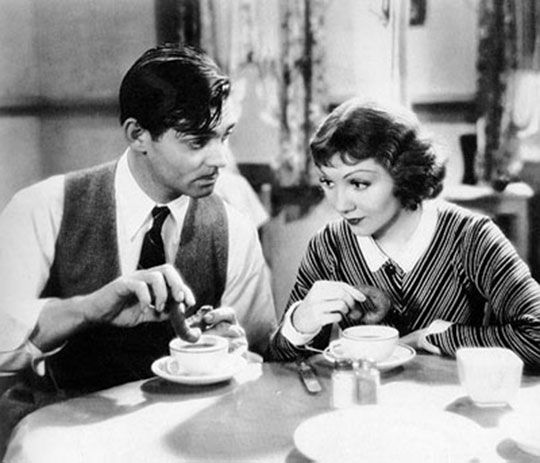
The Frank Capra-directed film starred Claudette Colbert as a spoiled heiress who runs away from her overbearing father and meets a cynical reporter, played by Clark Gable, on a bus. The two characters have opposite personalities and backgrounds, yet they fall in love. It Happened One Night was a critical and commercial success. It went on to win five Academy Awards – Best Picture, Best Director, Best Writing, Best Actor, and Best Actress.
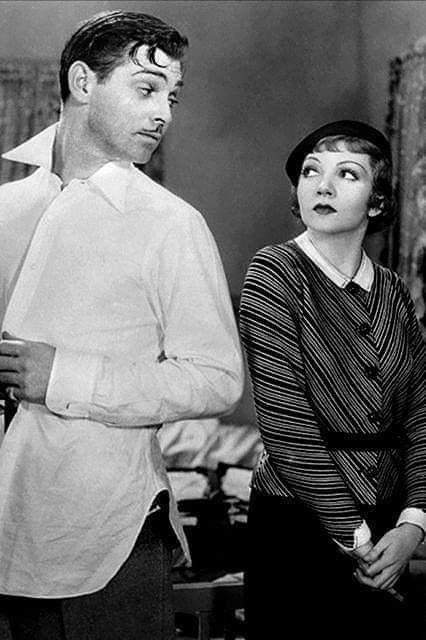
In one famous scene from the movie, however, Clark Gable almost single handedly killed the men’s undergarment industry when Gable’s character took off his dress shirt to reveal that he is not wearing an undershirt. This was quite shocking and unconventional in the 1930s. And it was hot.
Housewives across the country wanted their own husbands to be like Clark Gable so they stopped purchasing undershirts for their husbands. And the husbands were happy to oblige. More and more men dropped the undershirt from their wardrobe. In fact, so many men opted out of their undershirts that it caused concern among heads of the men’s undergarment industry. There was real fear that the trend could have a significant negative impact on the industry.

It was the Great Depression and manufacturers were already suffering. In response to It Happened One Night, some men’s undergarment brands began to market their undershirts as a way to “look like Clark Gable.” That didn’t really reverse the slide, but the trend eventually died down as new styles and fashions emerged.
The undershirt incident from It Happened One Night opened the eyes of many Hollywood executives. It proved the power of the entertainment industry and demonstrated the influence that movies and Hollywood celebrities could have on pop culture and the American public.