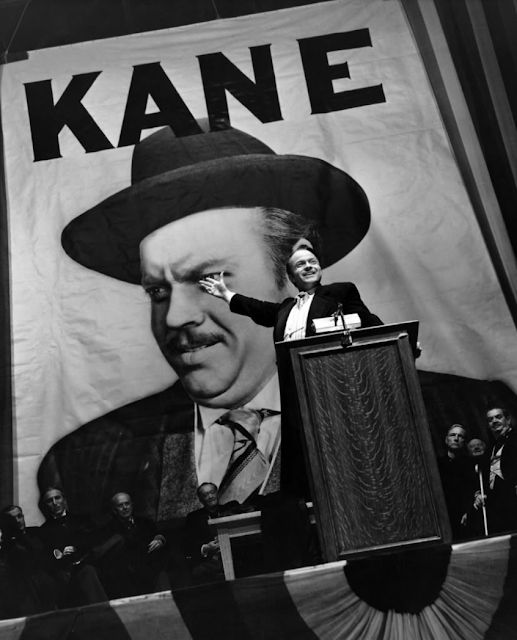
Film critics and fans of the Golden Age of Hollywood consistently place the 1941 film Citizen Kane as one of the best movies ever made. So, it is surprising to learn that the classic film that was directed, produced, co-written, and starred Orson Welles did not take home the Oscar for Best Picture at the 1942 Academy Awards Presentation. Instead, How Green Was My Valley, directed by John Ford and starring Maureen O’Hara, received the top award. How did this happen? How could the Academy NOT select Citizen Kane as the year’s best film? There are a few reasons why.
In 1941, Orson Welles was a young upstart in Hollywood. In fact, Citizen Kane marked his directorial debut. Although cinematic history would go on to say that Welles hit it out of the park on his debut project, at the time, he was up against some pretty tough competition.
In the Best Picture category, Citizen Kane was nominated along with How Green Was My Valley, Blossoms in the Dust, Here Comes Mr. Jordan, Hold Back the Dawn, The Little Foxes, Sergeant York, Suspicion, The Maltese Falcon, and One Foot in Heaven.
For the Best Director award, Orson Welles was competing against his idols John Ford, William Wyler, Alexander Hall, and Howard Hawks. All of them had extensive experience and plenty of great films under their belts. When you think of it, Welles was lucky to be nominated at all.
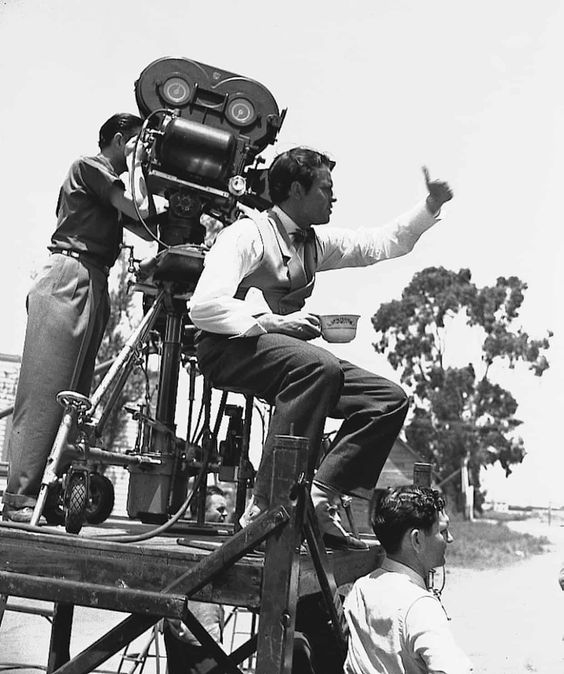
Orson Welles also stirred up quite a bit of controversy with Citizen Kane. The story was a thinly veiled rallying cry against the wealth, power, and privilege of William Randolph Hearst, the media mogul who controlled half the newspapers in the country. Furious over his unflattering portrayal, Hearst used his clout to get Citizen Kane suppressed in many theatres across the country and used his newspaper empire to boycott all promotions of the film.
Citizen Kane took a departure from traditional filmmaking styles. As an inexperienced director, Welles shot scenes from innovative angles and directions, not necessarily because he was trying to thumb his nose at convention. He later explained that it was because of his naivety.
The storytelling in Citizen Kane was also unusual. Welles opted to forego a chronological approach and, instead, presented the story in a series of flashbacks. While critics today call Welles’ style ground-breaking and innovative, at the time, the members of the Academy were not sure what to make of it.
And then there was Orson Welles’ biggest competition – John Ford with his epic How Green Was My Valley. Ford, one of the greatest directors of the era, already had two Best Director Oscars to his credit coming into the 1942 Academy Awards presentation. He won the awards for his 1935 film, The Informer, and his 1940 film, The Grapes of Wrath. He was a favorite of the Academy and a tough man to beat.
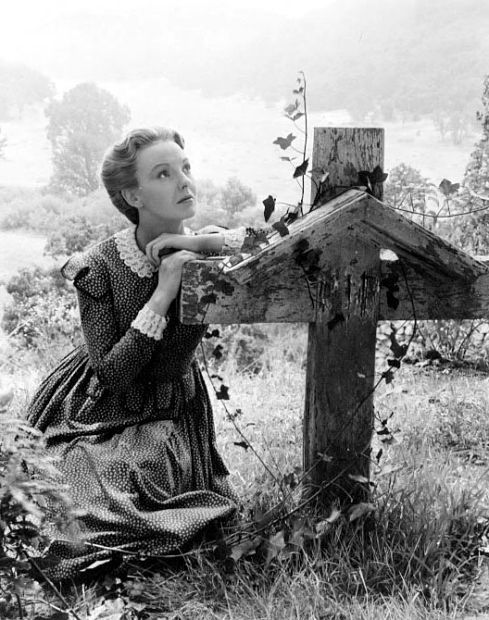
How Green Was My Valley was a beautiful film with excellent acting, direction, and cinematography. It was also quite traditional. This was the type of movie that the American public and the Academy was used to seeing.
So, when How Green Was My Valley was announced as the Best Picture winner at the Academy Awards, few people gasped. The film, with its conventional styling and super-star director, checked all the boxes for being a great film. Certainly, it was deserving of the award.
Citizen Kane was not a blockbuster hit when it was released. Instead, it took film critics some time to recognize and appreciate the genius of the movie. Only in hindsight, and with this new-found appreciation, have movie lovers questioned how any film could have beaten Citizen Kane.