Introduction: Setting the Scene
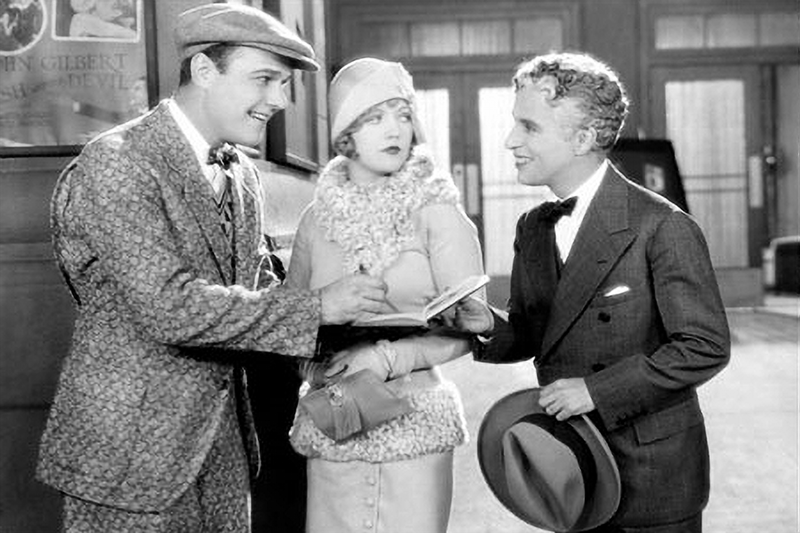
Imagine a time when black and white were the only colors on the big screen, when silent movies were the norm, and when special effects were as simple as a puff of smoke. This was the beginning of cinema, a time of great discovery and innovation. But as the years passed, the film industry began to evolve, and so did the technology that brought movies to life. The Golden Age of Hollywood, spanning the 1920s through the 1960s, was a pivotal period in the evolution of film technology, laying the foundation for the cinematic marvels we enjoy today.
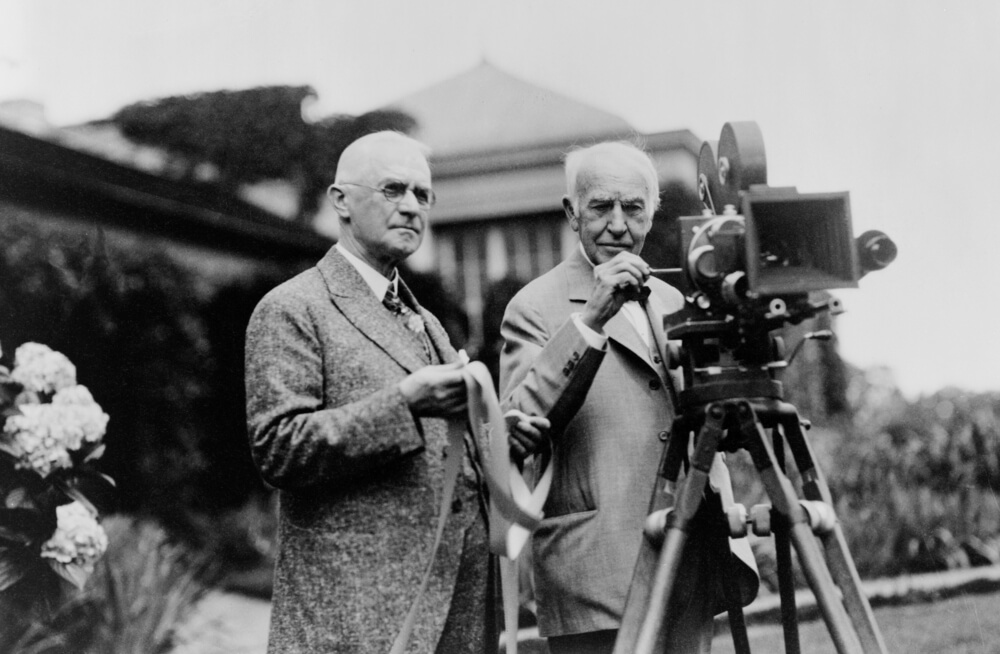
During this era, Hollywood produced some of the most iconic movies and stars, setting the stage for the current blockbuster industry. But it was the technological advancements and innovations that emerged during this period that truly revolutionized filmmaking. From the introduction of sound and color to the development of new camera techniques, the Golden Age of Hollywood forever changed the face of cinema.
As website owners, ecommerce owners, or social media managers, understanding the evolution of film technology and its impact on modern cinema can provide invaluable insights into the power of storytelling, visual effects, and consumer engagement. Let’s take a journey back in time and explore the technological transformations that defined the Golden Age of Hollywood and continue to shape the cinematic world we know today.
The Dawn of Sound: The Talkies Revolution
One of the most significant technological advancements in the history of cinema was the introduction of sound or ‘talkies’. The Jazz Singer, released in 1927, was the first successful feature-length movie with synchronized dialogue. This breakthrough not only enhanced the storytelling capabilities of filmmakers but also transformed the viewing experience for audiences.
The arrival of sound profoundly impacted the film industry, leading to the decline of silent films and requiring actors to adapt to the new format. It also introduced new genres, such as musicals and talkie comedies, that relied heavily on the use of sound. But most importantly, it paved the way for the development of other audio technologies, such as surround sound, that have become standard in today’s cinema.
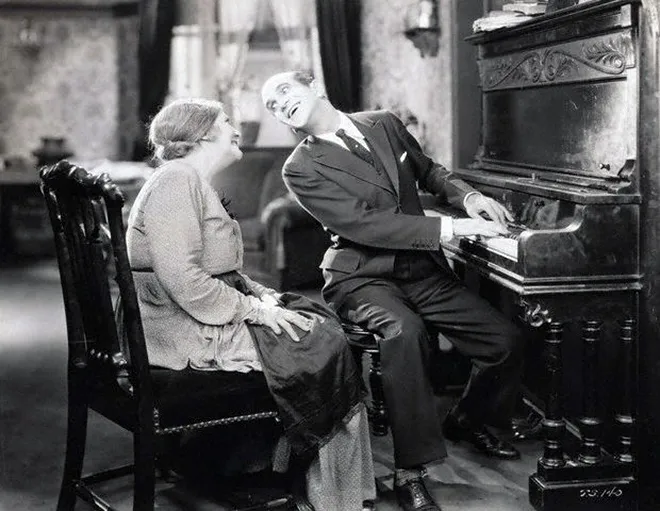
From a digital perspective, the introduction of sound revolutionized media and content creation. It signaled the importance of audio in enhancing viewer engagement, a lesson that is still relevant today. Whether it’s crafting compelling video content for your website or leveraging audio-visual elements on social media, the power of sound cannot be underestimated.
Technicolor Triumph: The Birth of Color Cinema
The transition from black and white to color was another defining moment in the evolution of film technology. Technicolor, the most widely used color process in Hollywood, was introduced in the 1930s. The Wizard of Oz and Gone With The Wind, both released in 1939, were among the first films to utilize this technology to its full potential, bringing vibrant colors to the big screen for the first time.
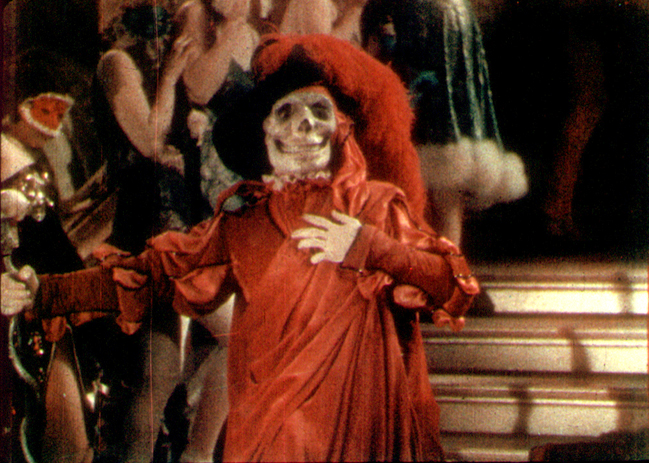
The advent of color revolutionized filmmaking, allowing directors to convey mood, symbolism, and emotion through a new visual language. It added depth and richness to storytelling, enhancing the cinematic experience for viewers. Even today, the use of color grading in films is a crucial aspect of visual storytelling, influencing audience perception and reaction.
For digital marketers and ecommerce owners, understanding the psychology of color and its impact on consumer behavior can be a game-changer. Just as color transformed the world of cinema, it can also significantly influence online user experience, shaping branding, website design, and marketing strategies.
Lens Innovation: The Emergence of New Camera Techniques
The Golden Age of Hollywood also saw the birth of innovative camera techniques that have shaped modern filmmaking. From the use of dollies and cranes to the introduction of zoom lenses, these advancements allowed filmmakers to explore new perspectives and dimensions in storytelling.
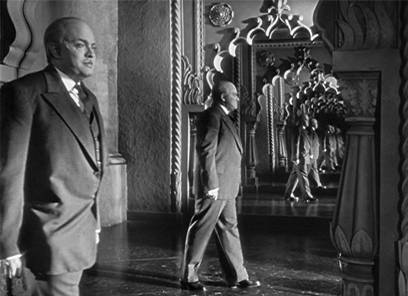
One of the most influential techniques was the deep focus, first popularized by Orson Welles in Citizen Kane. This technique, which keeps both the foreground and background in focus, allowed filmmakers to create more complex and visually engaging scenes. Today, these techniques are fundamental to the art of cinematography, adding depth and dynamism to the visual narrative.
In the digital realm, the use of innovative camera techniques continues to evolve, enhancing the visual content we create and consume. From 360-degree videos to drone footage, these advancements offer exciting opportunities for website owners and social media managers to captivate their audience and tell more compelling stories.
Conclusion: The Legacy of the Golden Age
As we reflect on the evolution of film technology during the Golden Age of Hollywood, it’s clear that these groundbreaking innovations continue to shape modern cinema. The introduction of sound, the transition to color, and the advent of new camera techniques have revolutionized the art of storytelling, transforming the cinematic experience for viewers around the world.
For digital marketers, website owners, and social media managers, these advancements offer valuable lessons in audience engagement, content creation, and visual storytelling. By understanding the impact of these technological transformations, we can reimagine the way we connect with our audience, harnessing the power of audio-visual content to captivate, engage, and inspire.
So, the next time you watch a movie or craft a video for your website, remember the legacy of the Golden Age of Hollywood. Because whether we realize it or not, the magic of this era continues to influence the world of cinema and digital storytelling, reminding us of the power of innovation and the endless possibilities of technology.