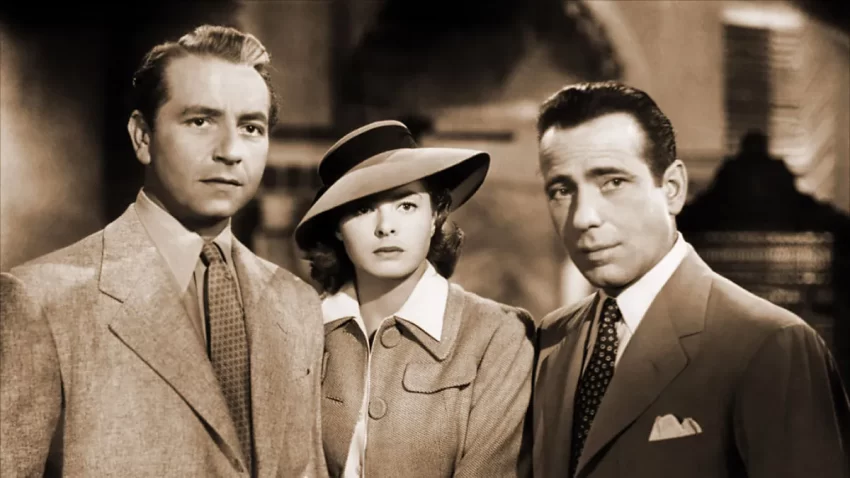
The Golden Age of Hollywood, spanning roughly from the 1920s to the early 1960s, is renowned for producing timeless masterpieces that continue to captivate audiences decades later. This retrospective journey takes us through some of the most influential and enduring films of that era, showcasing the brilliance of directors, the artistry of actors, and the magic of storytelling that defined a generation.
Gone with the Wind (1939) – A Cinematic Epic
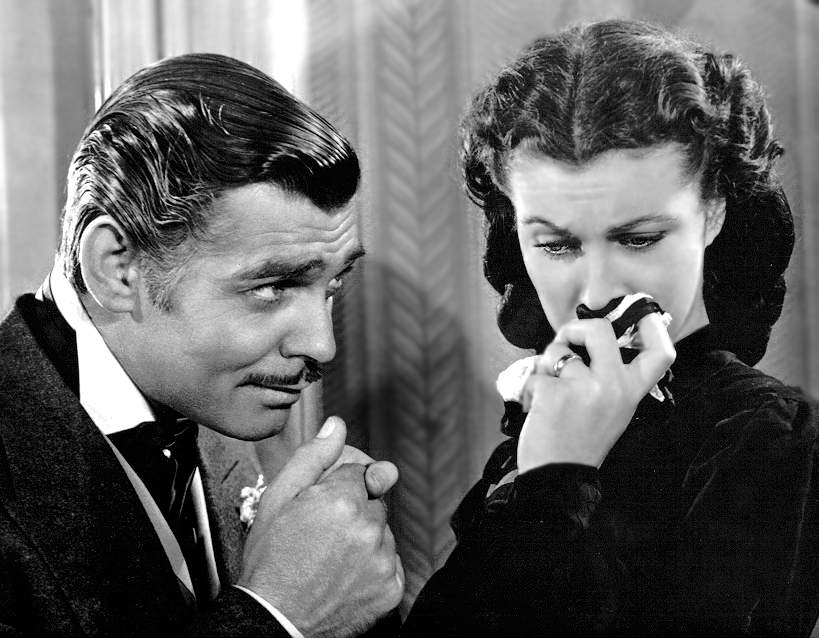
Margaret Mitchell’s Pulitzer Prize-winning novel came to life in 1939 with the release of “Gone with the Wind.” Directed by Victor Fleming, this epic historical romance set against the backdrop of the American Civil War became an instant classic. Starring Clark Gable as Rhett Butler and Vivien Leigh as Scarlett O’Hara, the film not only mesmerized audiences with its sweeping narrative but also left an indelible mark on cinematic history. With its lavish production design, memorable score, and iconic performances, “Gone with the Wind” remains a pinnacle achievement in Golden Age filmmaking.
Casablanca (1942) – Love and Sacrifice
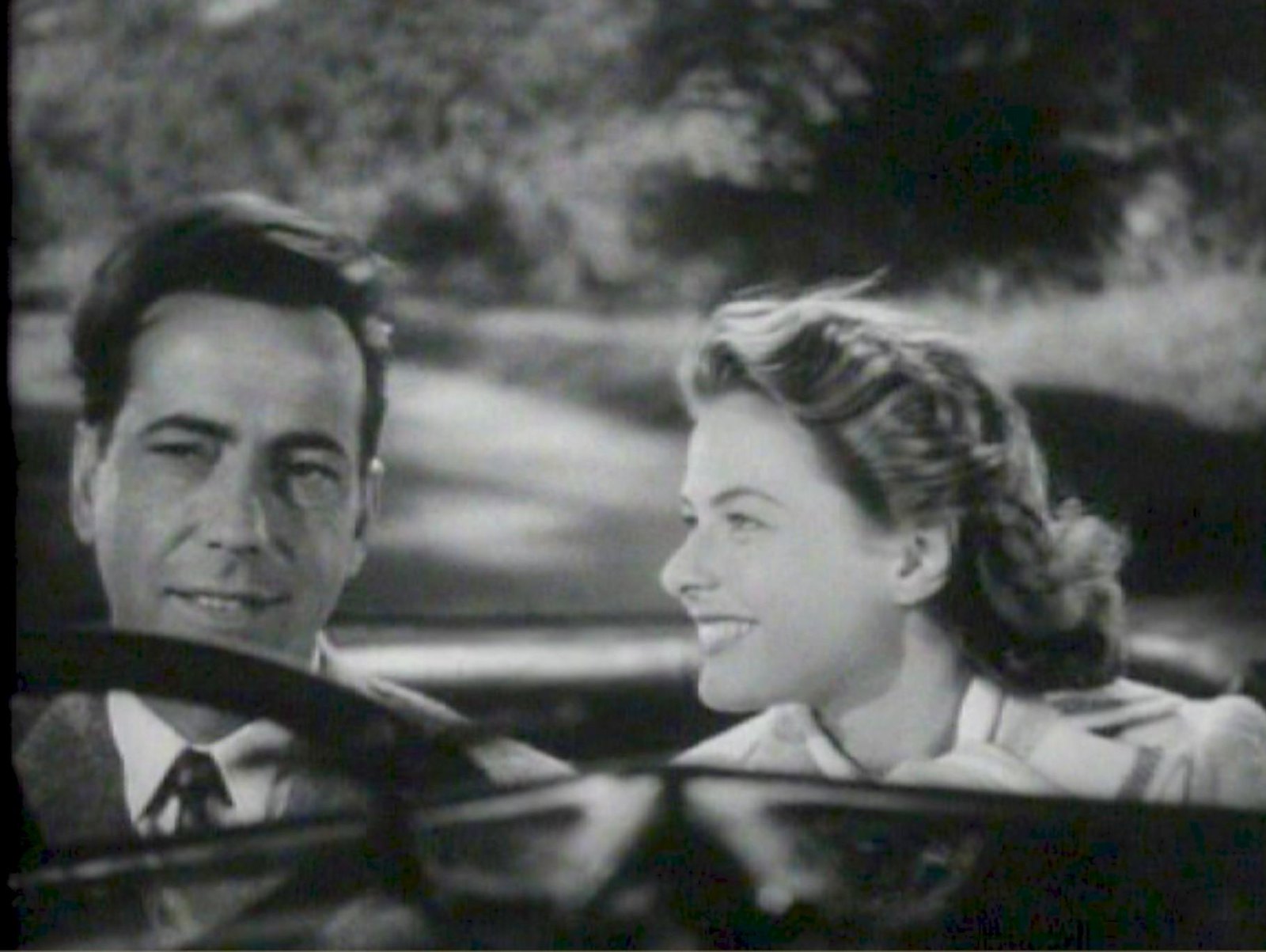
In the realm of timeless classics, “Casablanca” stands as a beacon of storytelling brilliance. Directed by Michael Curtiz and starring Humphrey Bogart and Ingrid Bergman, this 1942 film is a masterclass in romantic drama set against the backdrop of World War II. The film’s memorable quotes, including “Here’s looking at you, kid,” and the haunting melody of “As Time Goes By,” have become cultural touchstones. “Casablanca” not only tugs at the heartstrings but also explores themes of sacrifice, patriotism, and the complexities of love, making it an enduring piece of Golden Age cinema.
Citizen Kane (1941) – Orson Welles’ Cinematic Triumph
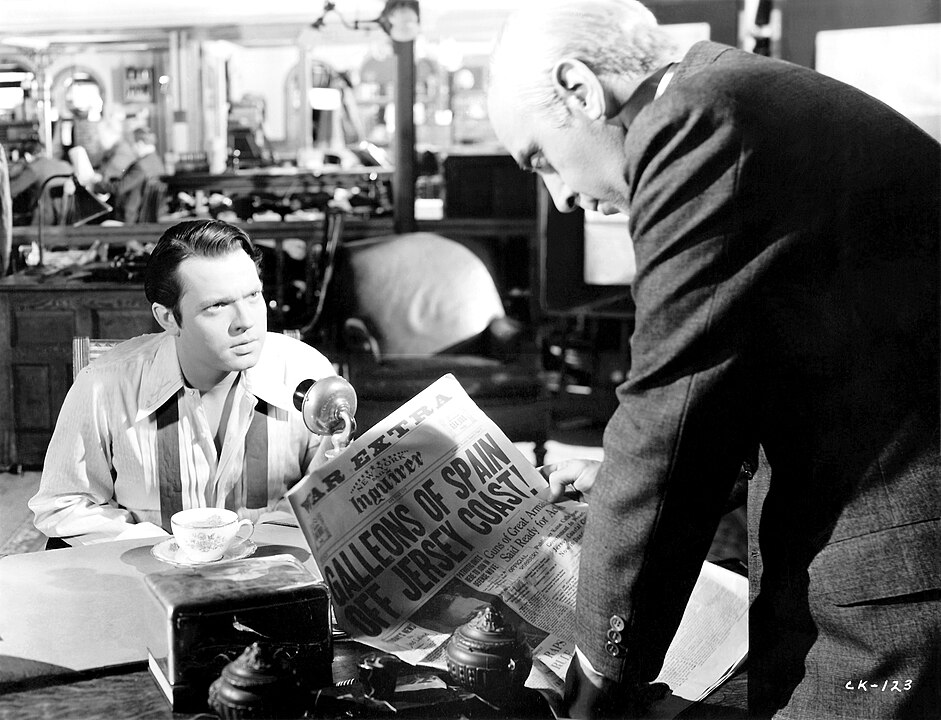
Orson Welles’ “Citizen Kane” is often hailed as one of the greatest films ever made, and for good reason. Released in 1941, this groundbreaking work of art revolutionized storytelling techniques, cinematography, and narrative structure. Welles, who directed and starred in the film, introduced innovations such as deep focus cinematography and non-linear storytelling. “Citizen Kane” explores the life of Charles Foster Kane, a wealthy newspaper tycoon, with a narrative complexity that was ahead of its time. The film’s impact on the art of filmmaking cannot be overstated, solidifying its place in the annals of cinematic history.
The Wizard of Oz (1939) – A Technicolor Fantasy
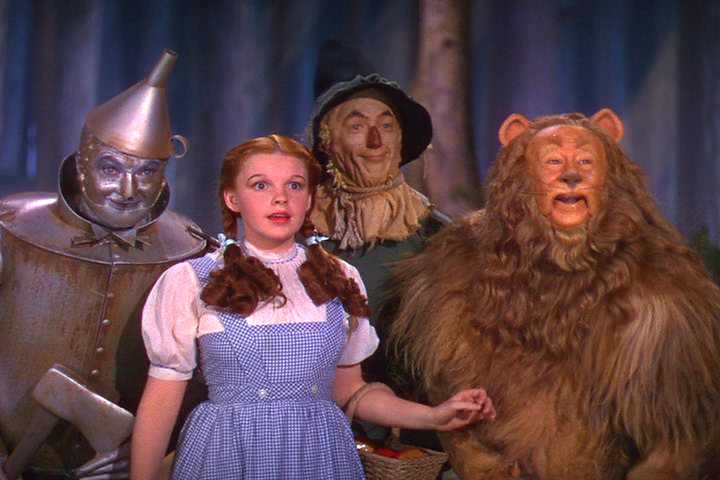
Transporting audiences to the magical land of Oz, “The Wizard of Oz” is a cinematic triumph that seamlessly blends fantasy, music, and spectacle. Directed by Victor Fleming, this 1939 adaptation of L. Frank Baum’s novel is celebrated for its groundbreaking use of Technicolor and memorable characters. Judy Garland’s portrayal of Dorothy, along with the iconic characters of the Scarecrow, the Tin Man, and the Cowardly Lion, has enchanted generations. The film’s enduring appeal lies not only in its whimsical narrative but also in its timeless message that there’s no place like home.
Sunset Boulevard (1950) – A Dark Dive into Hollywood’s Underbelly
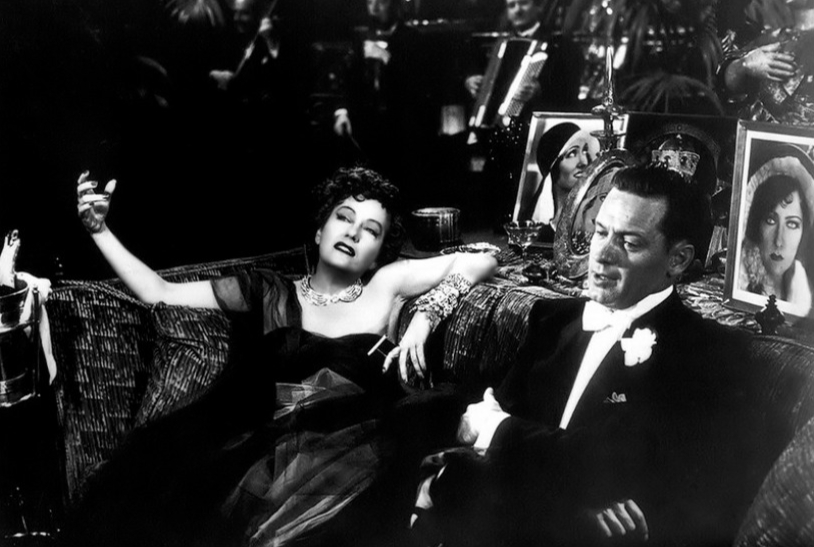
Directed by Billy Wilder, “Sunset Boulevard” offers a noir-infused glimpse into the dark side of Hollywood. Released in 1950, this film noir classic tells the story of Norma Desmond, a faded silent film star, and Joe Gillis, a struggling screenwriter. The film’s exploration of the illusion of fame, the consequences of obsession, and the crumbling dreams of Hollywood’s bygone era resonated with audiences and critics alike. Gloria Swanson’s portrayal of Norma Desmond is hauntingly memorable, making “Sunset Boulevard” a film that delves into the shadows of the glamorous façade of the film industry.
Psycho (1960) – Hitchcock’s Masterpiece of Suspense
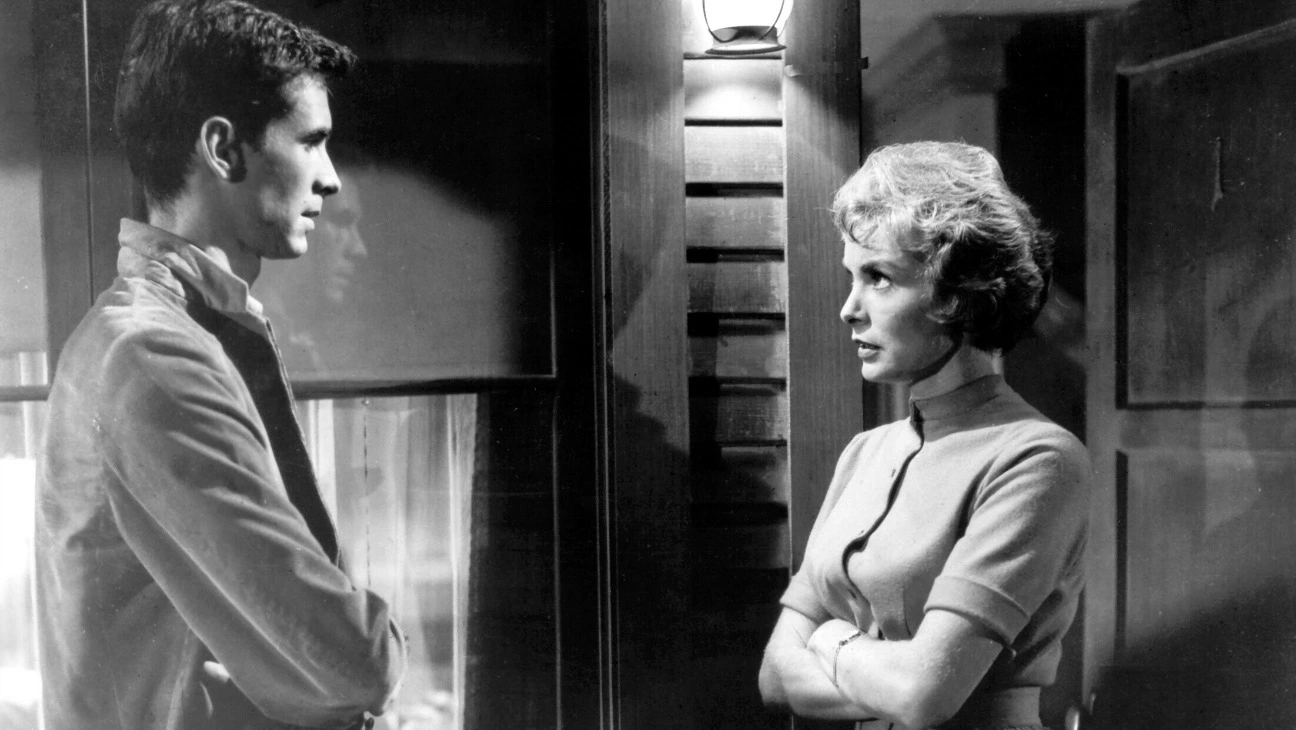
Alfred Hitchcock’s “Psycho” revolutionized the horror genre and left an indelible mark on the cinematic landscape. Released in 1960, this psychological thriller shocked audiences with its unprecedented twists and turns, forever changing the way horror films were made. Anthony Perkins’ portrayal of Norman Bates and Bernard Herrmann’s chilling score added layers of suspense that kept viewers on the edge of their seats. Hitchcock’s innovative approach, including the famous shower scene, elevated “Psycho” beyond its genre, making it a cultural phenomenon and a testament to the director’s mastery of suspense.
Singin’ in the Rain (1952) – Joyous Celebration of Cinema
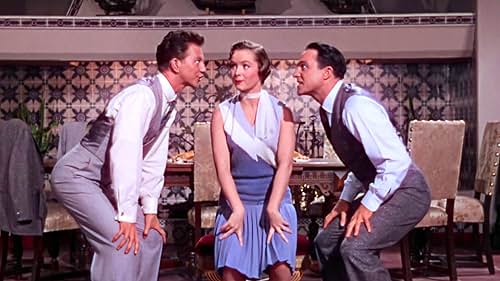
Directed by Gene Kelly and Stanley Donen, “Singin’ in the Rain” is a joyful celebration of the Golden Age of Hollywood itself. Released in 1952, this musical masterpiece stars Gene Kelly, Donald O’Connor, and Debbie Reynolds. The film takes audiences behind the scenes of the transition from silent films to talkies, blending humor, romance, and dazzling dance numbers. The iconic sequence of Gene Kelly singing and dancing in the rain is etched into the collective memory of film enthusiasts, making “Singin’ in the Rain” a feel-good classic that continues to bring smiles to audiences of all ages.
The Golden Age of Hollywood gifted us with a treasure trove of cinematic masterpieces that have stood the test of time. These films not only entertained but also pushed the boundaries of storytelling, cinematography, and artistic expression. Whether it’s the epic romance of “Gone with the Wind,” the timeless drama of “Casablanca,” or the innovative brilliance of “Citizen Kane,” each film represents a chapter in the rich tapestry of Golden Age cinema. As we revisit these classics, we not only appreciate their historical significance but also revel in the enduring magic they bring to audiences, generation after generation.