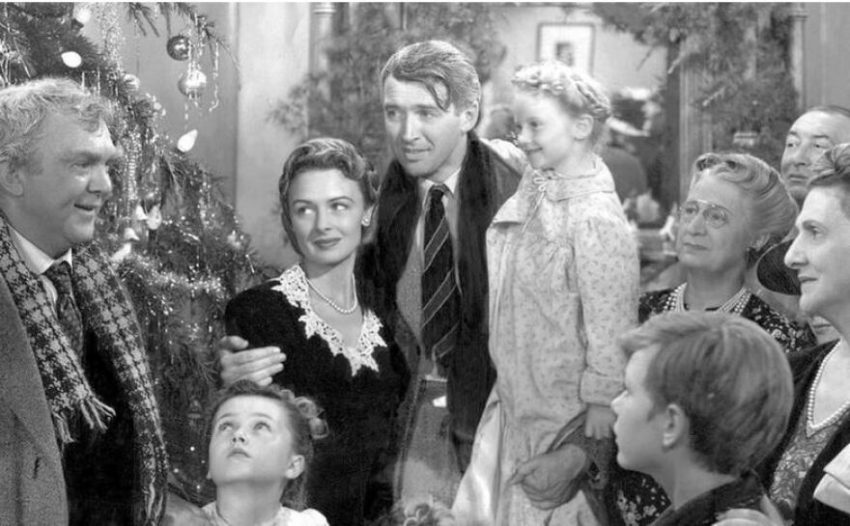
“It’s a Wonderful Life,” directed by Frank Capra and released in 1946, has earned its place as a timeless classic in the realm of Christmas movies. Starring James Stewart as George Bailey, the film takes audiences on an emotional journey that explores the profound impact of one individual on a community, the true meaning of wealth, and the enduring spirit of Christmas. As a heartwarming tale that has captivated audiences for generations, “It’s a Wonderful Life” continues to be a staple in holiday traditions.
The narrative unfolds in the fictional town of Bedford Falls, where we meet George Bailey on Christmas Eve. George, played by the iconic James Stewart, is on the verge of despair and contemplating suicide. In response to George’s desperate plea, his guardian angel, Clarence Odbody (played by Henry Travers), is sent to intervene and show George what life in Bedford Falls would have been like if he had never been born.
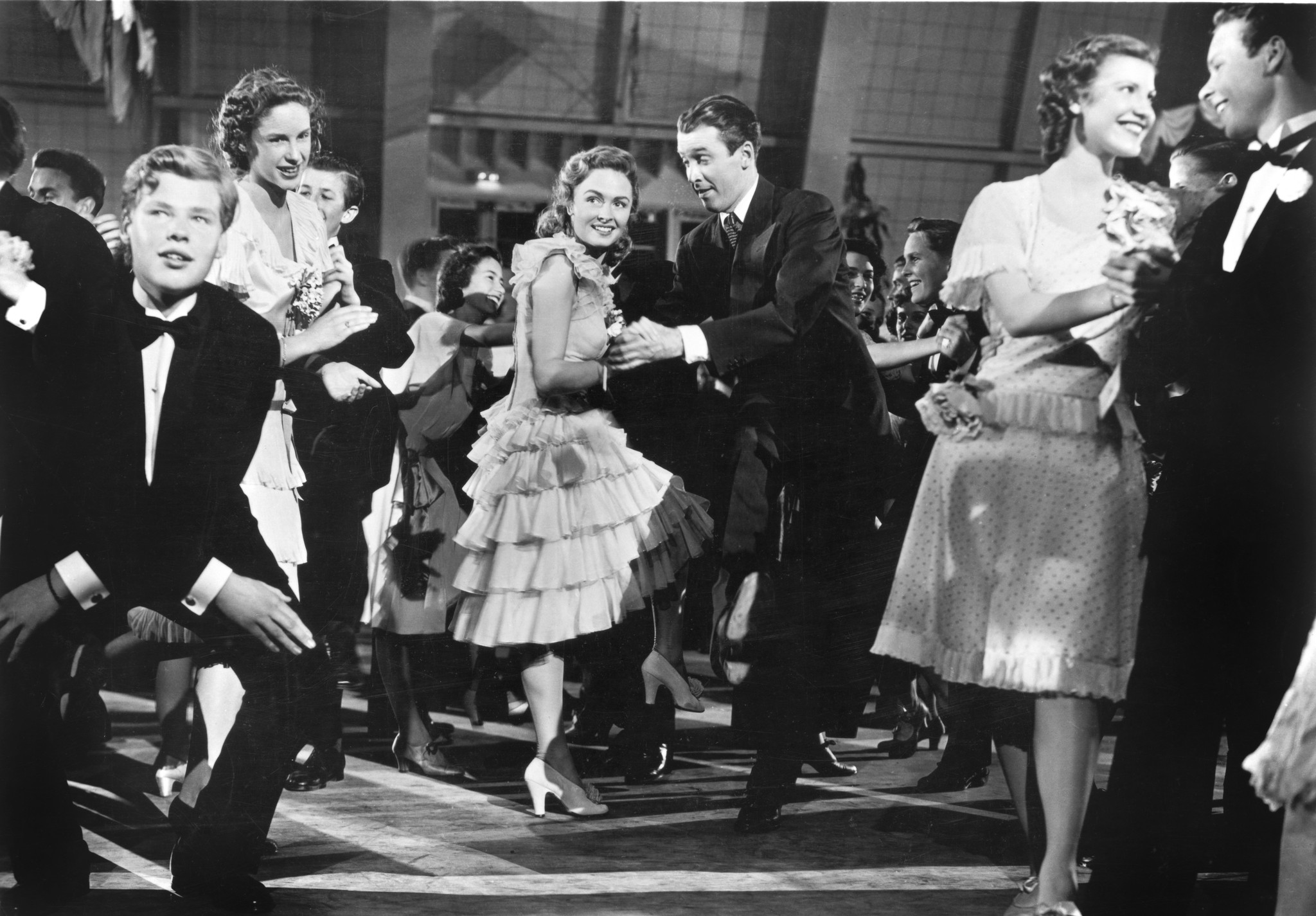
The film then takes the audience on a journey through George’s life, showcasing the pivotal moments that shaped his character and the town itself. From his youth saving his younger brother from drowning to his decision to forgo personal dreams to support the Bailey Building and Loan, George’s life is a series of sacrifices for the greater good of others.
Bedford Falls serves as a microcosm of the American experience, and its portrayal is a central theme in “It’s a Wonderful Life.” The town represents the quintessential small American town, with close-knit communities, locally owned businesses, and a shared sense of responsibility for one another. George Bailey becomes the embodiment of this spirit as he selflessly dedicates his life to ensuring the well-being of the town’s residents.
At the heart of Bedford Falls is the Bailey Building and Loan, a small financial institution that plays a crucial role in the community. Established by George’s father and passed on to George, the Building and Loan becomes the battleground between George and the malevolent Mr. Potter (Lionel Barrymore). Potter, the epitome of greed and selfishness, seeks to control the town and eliminate the Bailey family’s influence.
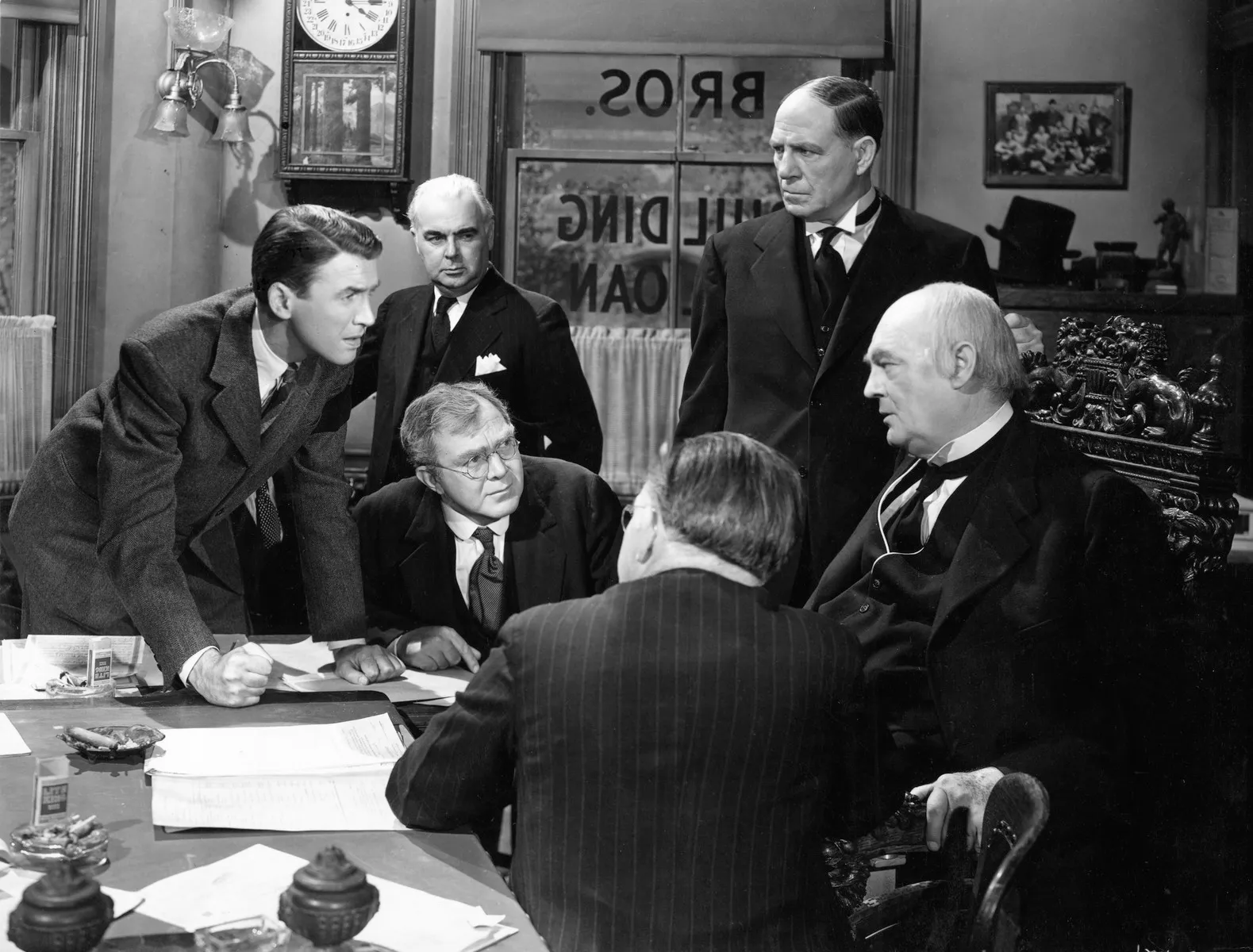
The Building and Loan, however, becomes a symbol of hope and opportunity for the townspeople. It provides them with the means to own their homes and escape the clutches of Potter’s rent-driven monopoly. George’s dedication to the Building and Loan showcases the power of community-driven enterprises, standing in stark contrast to Potter’s profit-driven motivations.
Clarence Odbody, George’s bumbling but well-intentioned guardian angel, provides a unique perspective on the impact of individual lives. As he guides George through the alternate reality where he was never born, the audience witnesses the profound influence George had on the lives of those around him. The absence of George leaves Bedford Falls in shambles, transformed into the nightmarish Pottersville, a town devoid of hope and compassion.
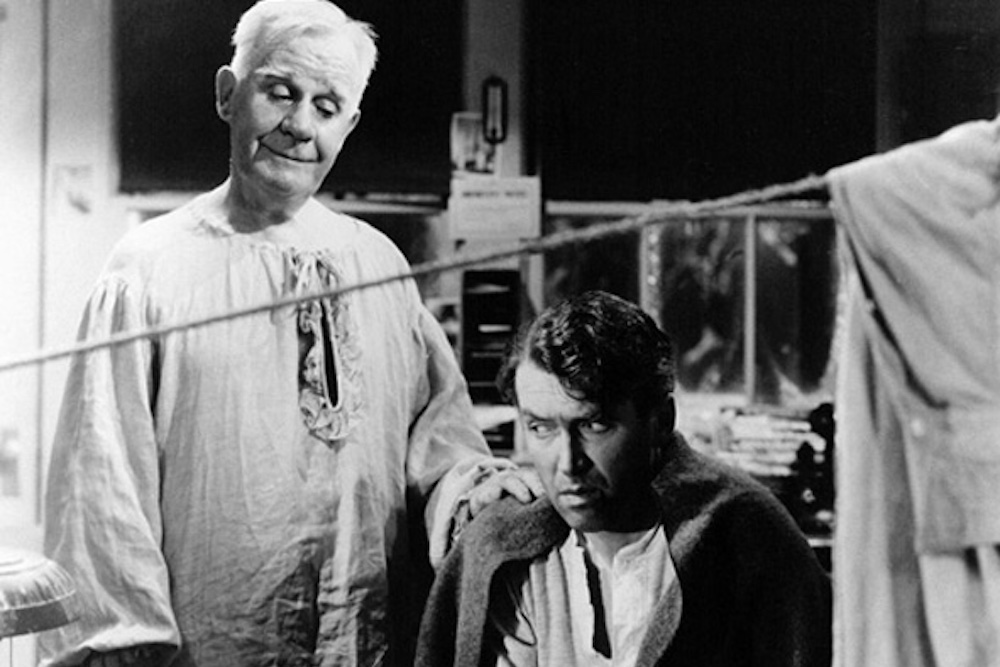
This alternate reality serves as a poignant reminder of the interconnectedness of human lives and the ripple effect of kindness. George, who considered himself a failure, learns that his existence had immeasurable value and that even the seemingly small and mundane acts of goodwill had far-reaching consequences.
As George grapples with the revelation of his impact on Bedford Falls, he realizes the true meaning of wealth. It’s not measured in monetary terms or material possessions but in the relationships forged, the lives touched, and the community strengthened. George’s journey becomes a powerful exploration of redemption, self-discovery, and the transformative nature of the holiday spirit.
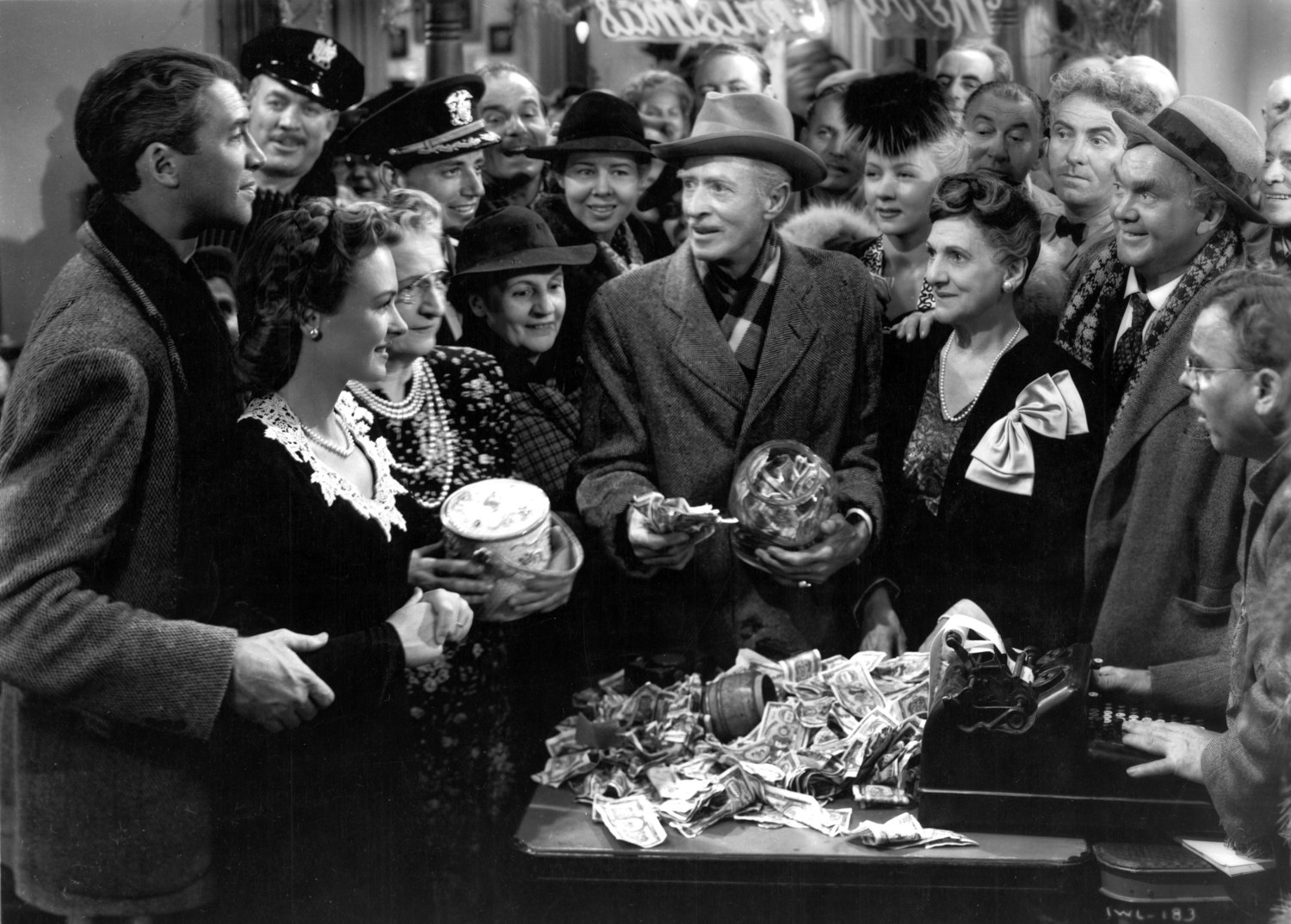
The climax of “It’s a Wonderful Life” unfolds as George, desperate to undo the damage caused in the alternate reality, prays for a chance to return home. In a moment of cinematic magic, George finds himself back on Christmas Eve, surrounded by the warmth of his family and friends. The town rallies behind him, demonstrating the strength of community bonds and the willingness of people to support one another in times of need.
The film concludes with a heartwarming scene as George’s loved ones shower him with donations to cover the Building and Loan’s financial shortfall. The outpouring of generosity highlights the reciprocal nature of community, emphasizing that, in times of crisis, individuals can come together to lift each other up.
“It’s a Wonderful Life” was not an immediate box office success upon its release, but over the years, it has become a beloved classic with a lasting impact on popular culture. The film’s enduring appeal lies in its universal themes of love, sacrifice, and the celebration of the human spirit. Its message transcends time, resonating with audiences from various generations.
The performances of the cast, particularly James Stewart’s portrayal of George Bailey and Lionel Barrymore’s depiction of the villainous Mr. Potter, contribute significantly to the film’s success. Frank Capra’s direction masterfully weaves together the narrative, balancing moments of humor, drama, and sentimentality.
“It’s a Wonderful Life” stands as a testament to the enduring power of storytelling and the ability of film to capture the essence of the human experience. Its timeless message about the impact of one individual on a community, the importance of selflessness, and the true meaning of wealth continues to inspire audiences, making it a cherished part of the holiday season. As we revisit George Bailey’s journey each year, we are reminded of the enduring spirit of Christmas and the profound influence of our own lives on those around us.