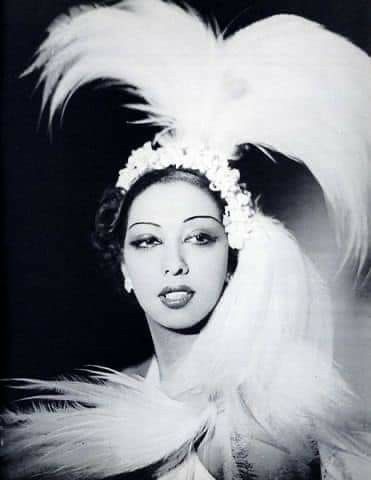
The extraordinary Josephine Baker was a groundbreaking actress, dancer, and singer. The Golden Era beauty was the first African American actress to star in a movie, but that was just one facet of her incredible life. Born in 1906, she grew up in poverty with parents who were only mildly successful as entertainers in segregated St. Louis. But they passed their love for performing onto their daughter who would make a name for herself as a dancer and actress, as well as a racial activist, Parisian beauty icon, spy, and French resistance fighter.
As a teen, Josephine Baker ran off to join an African American traveling dance troupe. She honed her dancing skills and performance styles with this group until she was ready to move to the next level – Vaudeville. She had charisma and knew how to play to the crowd, traits that helped make her a sought-after Vaudeville act. Although the Vaudeville audiences were overwhelmingly white, fans admired the beautiful, charming, and talented Josephine Baker. From Vaudeville, she next moved to Harlem where she became a key player in the Harlem Renaissance … even though she was only in her late teens at this point.
At 18 years old, Josephine Baker made her Broadway debut, but was frustrated to be cast as a showgirl. She felt that, due to racism and stereotyping, she was not able to show her true talents. In 1925, she sailed to Paris. France was much more accepting of black performers and the country did not have the segregation and Jim Crow laws that were prevalent in the U.S. during the 1920s and1930s.
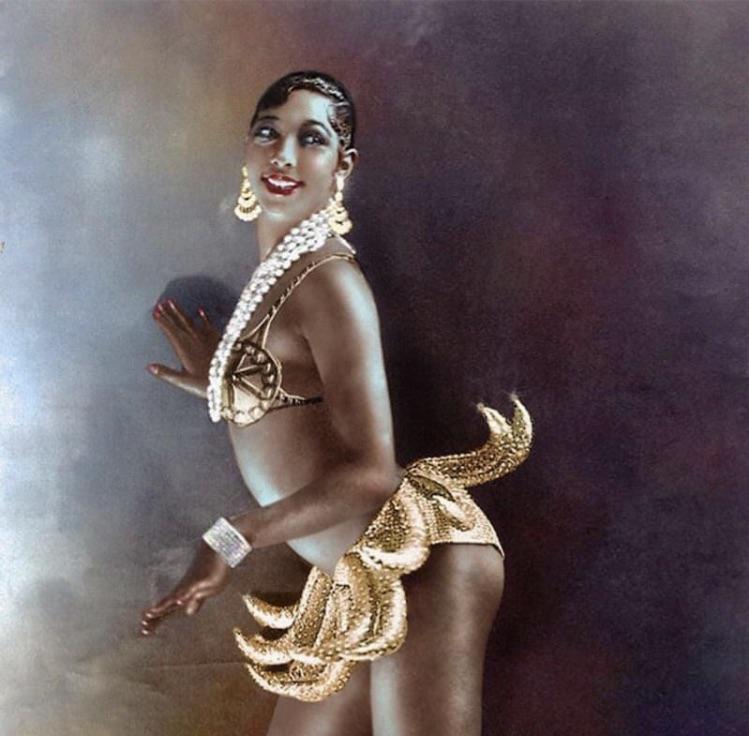
In Paris, Josephine Baker’s light shined brightly. She fell in love with her new city and the people of Paris fell in love with her. She made a splash with her exotic dance routines, but also proved that she was a gifted singer, comedian, and actress. Baker got top billing in the Folies-Bergere and was the era’s most successful American performer in France.
Josephine Baker was admired in Paris for her stage performances, and her looks and style set the standard for beauty. She was called one of the most beautiful women in the world.
In 1934, Josephine Baker became the first African American woman to star in a major film. She was cast in the title role in French director Marc Allegret’s Zouzou. Her performance earned her critical praise and more admiration by the people of her new home country. Throughout the 1930s and early 1940s, she starred in more movies, most notably Moulin Rouge in 1941.
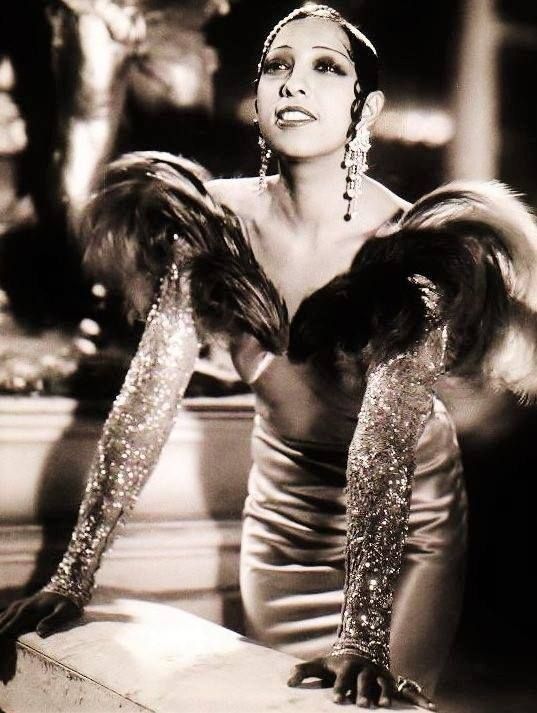
Josephine Baker, who became a French citizen in 1937, was keen to help her new country after Adolf Hitler’s German Army invaded France. She joined the French Resistance and used her position as a top entertainer to glean secret information from the German officials who attended her shows. When she overheard sensitive information, she wrote it down on her sheets of music using invisible ink so no one would see it if she were caught delivering the papers to the French military.
After World War II, Josephine Baker returned to the U.S., but was dismayed and frustrated to see that the racial situation had not improved. This time, she has clout and star power in her corner. She booked gigs in nightclubs across the country but refused to perform for segregated crowds. She was a big enough name that club owners gave into her demands.
Josephine Baker used her voice to speak out about racial discrimination in the U.S., often comparing the backwards-thinking Americans to the progressive-thinking French. In 1963, Baker was one of only a few women who were invited to speak at the March on Washington. Although her speech was overshadowed by Dr. Martin Luther King, Jr.’s often-quoted “I Have a Dream” speech, Baker nonetheless shared her views on discrimination in the United States and called on Americans to come together for racial equality, a cause she fought for until her death in 1975.