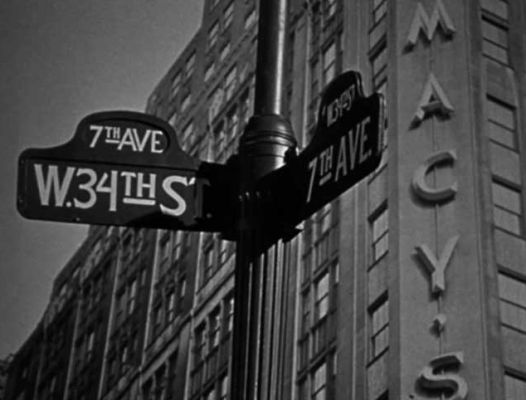
Released in 1947, “Miracle on 34th Street” stands as a timeless classic that has warmed the hearts of generations with its enchanting narrative, endearing characters, and a message that transcends time – the power of belief. Directed by George Seaton and starring Maureen O’Hara, John Payne, Natalie Wood, and Edmund Gwenn, the film has become a staple of holiday cinema, a cherished story that captures the essence of Christmas in a way that continues to resonate with audiences around the world.
The story revolves around Kris Kringle (Edmund Gwenn), an elderly man hired to play Santa Claus at Macy’s flagship department store on 34th Street. Kris, however, is not an ordinary Santa; he genuinely believes he is the real deal. His authentic approach to the role raises eyebrows, particularly that of Doris Walker (Maureen O’Hara), the pragmatic event director at Macy’s. Doris, a single mother, is determined to raise her daughter, Susan (Natalie Wood), with a sense of reality and skepticism. As Kris contends with skepticism and legal challenges to prove his authenticity, the film unfolds into a heartwarming journey of faith, joy, and the true spirit of Christmas.
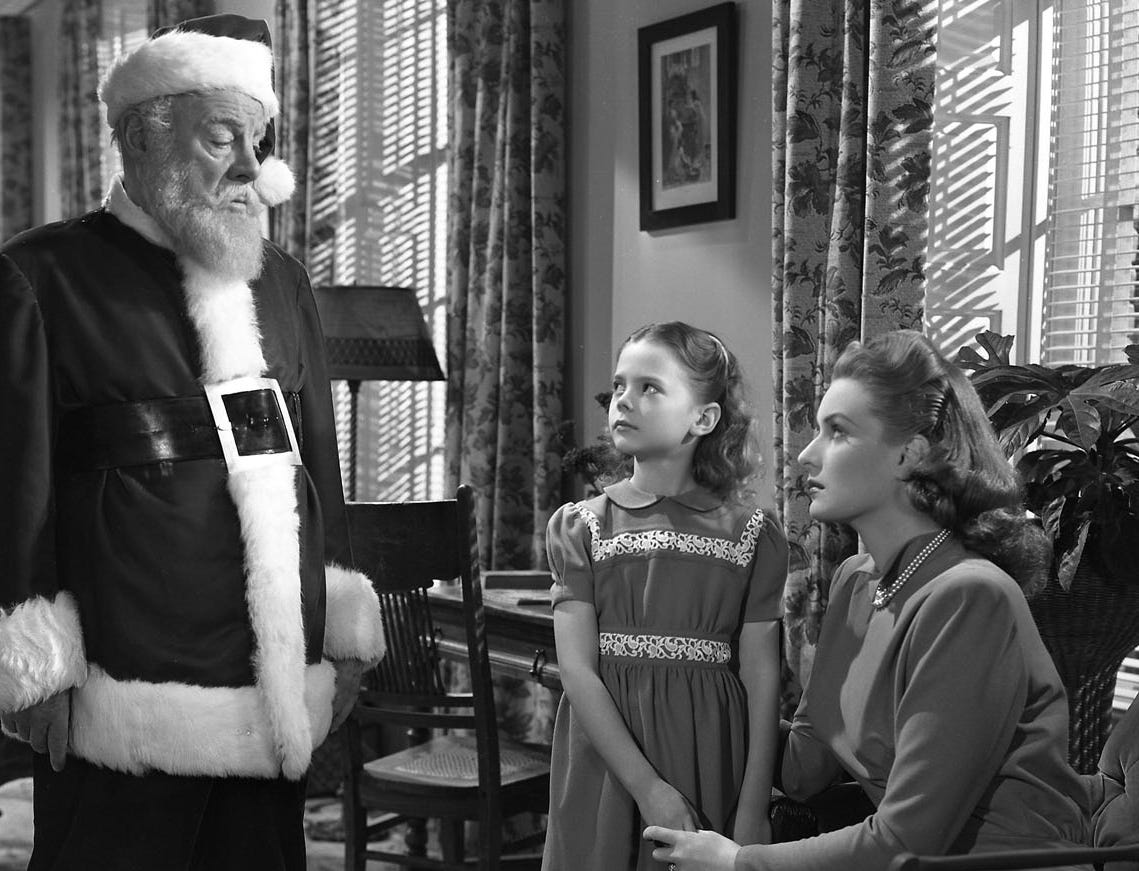
At the core of “Miracle on 34th Street” lies the theme of faith and belief. Kris Kringle’s unwavering conviction that he is the real Santa Claus challenges the cynicism and skepticism of those around him. The film poses a poignant question: In a world that often dismisses the magical and the miraculous, is it possible to embrace the extraordinary with an open heart? Kris’s genuine spirit and kindness slowly but surely melt the hearts of those he encounters, inviting viewers to rekindle their belief in the magic that the holiday season embodies.
Natalie Wood’s portrayal of Susan Walker adds a layer of innocence to the narrative. Susan, initially raised to question the fantastical and dismiss the existence of Santa Claus, finds her skepticism challenged by Kris’s warmth and authenticity. Through Susan’s journey, the film explores the idea that embracing a childlike innocence can reignite the joy and wonder of the Christmas season for individuals of all ages. In a world that can be jaded and cynical, “Miracle on 34th Street” encourages viewers to hold onto the purity of childhood belief and find magic in the everyday.
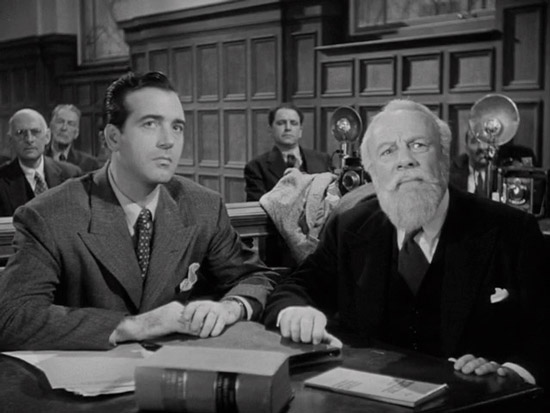
The film takes an unexpected turn as Kris finds himself in a courtroom, defending his claim to be Santa Claus. The legal proceedings add a layer of drama, but the heart of the story remains Kris’s mission to spread joy and kindness. The courtroom scenes provide a platform for the film to delve into the importance of intangible qualities like faith, love, and generosity—values that extend beyond legal definitions and paperwork. Kris’s trial becomes a symbol of the broader societal need to prioritize the intangible aspects of humanity over rigid rules and regulations.
Amidst the magic and wonder, “Miracle on 34th Street” weaves a thread of romance between Doris Walker and Fred Gailey (John Payne). Fred, a lawyer defending Kris in court, becomes enamored not only with Doris but also with the idea of embracing the enchantment of Christmas. The budding romance adds a touch of warmth to the film, emphasizing the importance of connection, love, and family during the holiday season.
“Miracle on 34th Street” is not only a triumph in storytelling but also a visual treat. The film’s cinematography captures the charm of 1940s New York City during Christmas, creating an atmosphere that feels both nostalgic and magical. Edmund Gwenn’s portrayal of Kris Kringle earned him an Academy Award for Best Supporting Actor, a testament to the authenticity and charm he brought to the character. The performances of the entire cast contribute to the film’s enduring appeal, with each actor bringing a unique dimension to their role.
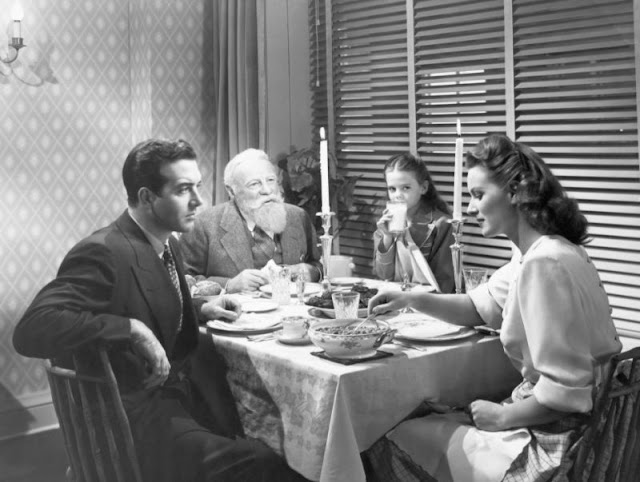
Seventy-five years after its initial release, “Miracle on 34th Street” continues to enchant audiences during the holiday season. The film’s enduring popularity lies in its ability to evoke a sense of wonder and nostalgia, transcending generations. Its message of belief, kindness, and the true spirit of Christmas remains relevant in a world that often needs a reminder of the importance of compassion and generosity.
“Miracle on 34th Street” stands as a cinematic gem that has captured the hearts of audiences for decades. Its enduring legacy is a testament to the universal themes it explores—faith, innocence, love, and the magic of Christmas. As we revisit this classic during the holiday season, it serves as a reminder to embrace the intangible qualities that make this time of year special and to carry the spirit of Kris Kringle in our hearts, believing in the magic of the season and spreading joy to those around us.