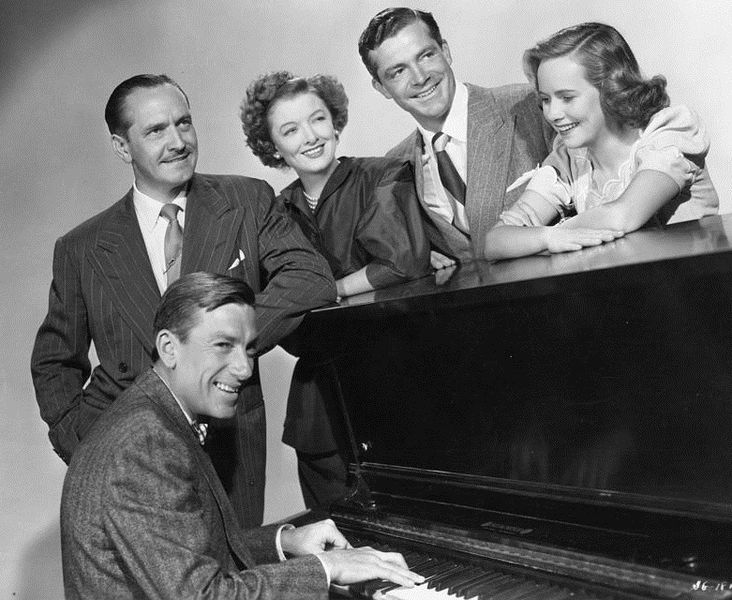
Myrna Loy is a name that has become synonymous with Hollywood’s Golden Age. Her charm, wit, and beauty led her to be cast as a vamp or femme fatale character, but she proved she was more than just a pretty face after her portrayal of Nora Charles in the 1934 film, The Thin Man. Let’s take a closer look at Myrna Loy’s life and career, exploring her most notable roles, her impact on Hollywood, and her legacy.
Myrna Loy was born on August 2, 1905, in Helena, Montana. Her parents separated when she was young, and her father moved to California, leaving her to be raised by her mother. Loy’s mother was a talented musician who encouraged her daughter’s interest in the arts. Loy took dance lessons and began performing in local productions. At the age of 18, she moved to Los Angeles to pursue a career in acting.
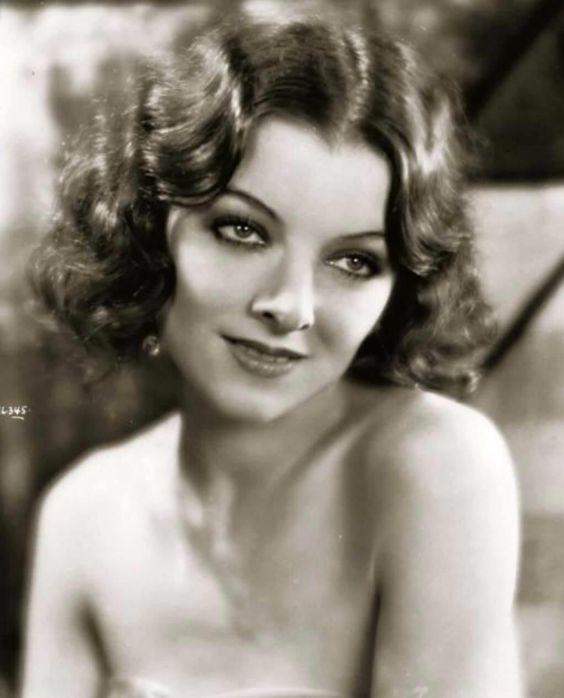
Considered exotic-looking, Loy struggled to find work in Hollywood. She spent several years playing small roles as Asian characters in B-movies before catching the eye of director John M. Stahl, who gave her a leading role in his 1932 film The Mask of Fu Manchu. The film was a success, and Loy’s career began to take off.
From there, Loy went on to star in a series of successful films, including Love Me Tonight in 1932, The Thin Man in 1934, and Libeled Lady in 1936. Her performances were praised for their wit and charm, and she quickly became known as one of Hollywood’s most talented actresses.
Myrna Loy’s most iconic film The Thin Man series of films. Loy starred alongside William Powell as Nick and Nora Charles, a glamorous couple who solve crimes together. The films were hugely popular and helped to cement Loy’s status as a Hollywood icon.
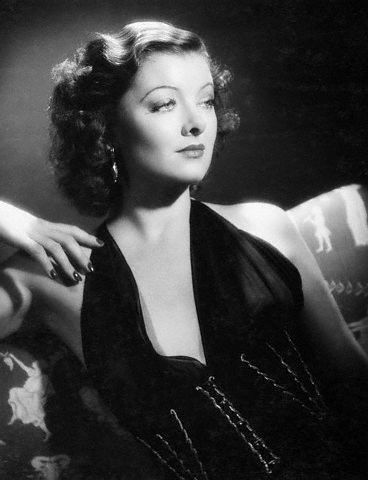
As Nora Charles, Loy presented a new, fresh, and witty character – one who was sophisticated and able to hold her own against Powell’s quick-witted character. The on-screen chemistry between Loy and Powell was undeniable. The Thin Man series spanned six films and is still beloved by classic movie fans today. Despite their palpable chemistry, Loy and Powell’s relationship was purely platonic, but their friendship off-screen was just as charming as their on-screen romance. They remained close friends until Powell’s death in 1984.
During World War II, Myrna Loy became a vocal advocate for the war effort. She worked tirelessly to sell war bonds and traveled overseas to entertain troops. Her efforts earned her the nickname “Queen of the Hollywood Victory Committee.” Loy’s work during the war solidified her superstar status. She was seen as a symbol of hope and resilience during a difficult time in American history.
After the war, Loy continued to work in Hollywood, but her career began to slow down. She appeared in a few successful films, but the roles she was offered were often limited and unchallenging.
In the 1950s, the Hollywood studio system began to crumble. Actors and actresses were no longer under contract to specific studios, and the rigid system that had governed Hollywood for decades began to loosen its grip. For Myrna Loy, this meant that she was free to take on more challenging roles. She appeared in several successful films, including The Best Years of Our Lives in 1946 and Cheaper By the Dozen in 1950. Her success in the 1950s helped to pave the way for other actresses who were looking to break free from the limited roles offered by Hollywood’s studio system.
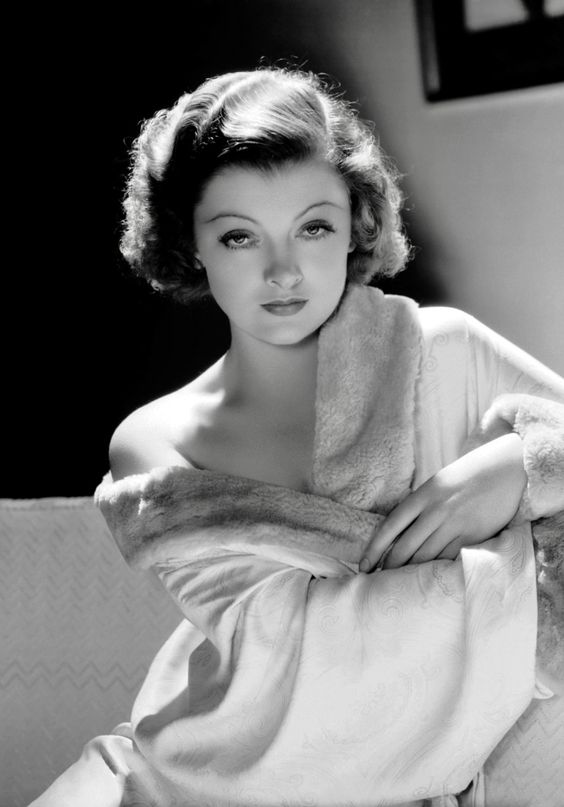
Throughout her career, Myrna Loy appeared in more than 100 films. She was honored with several awards and accolades throughout her career. In 1991, she was awarded the Lifetime Achievement Award from the Kennedy Center for the Performing Arts. Loy was also inducted into the American Theatre Hall of Fame in 1986 and received a star on the Hollywood Walk of Fame in 1960.
Myrna Loy was an outspoken activist and advocate for several causes throughout her life, not just during World War II. Later in life, Loy became an advocate for women’s rights and was a supporter of the National Organization for Women. She also worked to raise awareness about mental health issues and was a vocal supporter of the National Alliance on Mental Illness.
Myrna Loy was married four times in her life. Her first marriage to producer Arthur Hornblow Jr. ended in divorce, as did her second marriage to screenwriter Gene Markey. In 1946, Loy married John Hertz Jr., the heir to the Hertz Rent-A-Car fortune. The couple had two children together, a son and a daughter. They remained married until Hertz’s death in 1961. Loy’s final marriage was to Howland H. Sargeant, a United States Air Force officer. The couple remained married until Sargeant’s death in 1993, just months before Loy’s own death. Myrna Loy passed away in 1993.