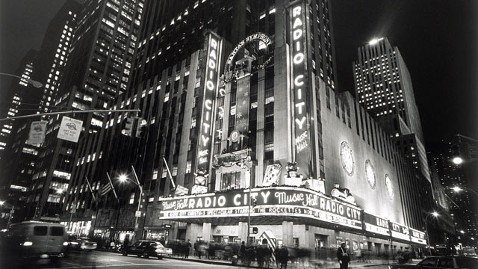
On December 27, 1932, New York City witnessed the grand opening of a dazzling new entertainment venue, Radio City Music Hall. Nestled in the heart of Rockefeller Center, this Art Deco masterpiece quickly became a symbol of modern sophistication and cultural ambition. Designed by architect Edward Durell Stone and interior designer Donald Deskey, Radio City Music Hall was conceived as a “palace for the people,” offering an opulent yet accessible entertainment experience. Its debut marked the beginning of a legacy that would make it one of the most famous theaters in the world.
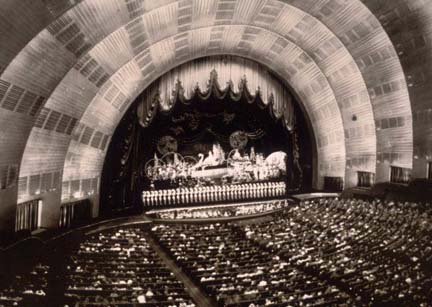
The opening night was nothing short of spectacular. Attendees were treated to a show that featured a mix of music, dance, and film, showcasing the hall’s versatility. Despite the glitz and glamour, the opening performance received mixed reviews due to its lengthy runtime and eclectic programming. However, the stunning architecture and grandeur of the space left an indelible impression. The theater’s elegant design, featuring a shimmering golden proscenium and a massive seating capacity of nearly 6,000, set a new standard for entertainment venues.
Radio City Music Hall’s creation was a testament to the resilience of the arts during the Great Depression. Backed by John D. Rockefeller Jr. and the Radio Corporation of America (RCA), the project provided employment for countless artisans and workers. Its completion during a time of economic struggle was a beacon of hope, embodying the spirit of innovation and determination that defined the era.
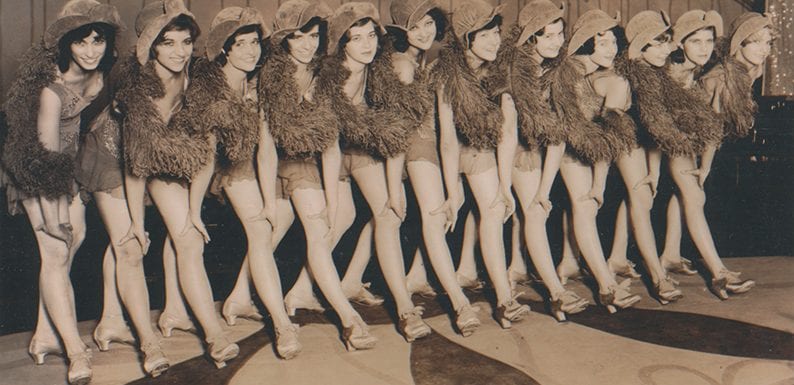
Over the years, Radio City Music Hall has hosted countless iconic events, from movie premieres to concerts and award ceremonies. It became synonymous with the Rockettes, a precision dance troupe whose high-kicking performances remain a hallmark of the venue’s Christmas Spectacular, a tradition that started in 1933. The hall has also played host to legendary performers such as Frank Sinatra, Ella Fitzgerald, and Elton John, further cementing its place in entertainment history.
In addition to live performances, Radio City Music Hall became a legendary venue for film premieres during Hollywood’s golden age. Classics such as King Kong (1933) and White Christmas (1954) graced its screens, making it an essential part of cinematic history. Its dual identity as a stage for both performing arts and motion pictures helped solidify its reputation as a versatile cultural hub.
Today, Radio City Music Hall continues to shine as a cultural landmark and a testament to the enduring power of the arts. Its grand opening on December 27, 1932, marked the beginning of a remarkable journey, transforming it from a bold dream into an enduring symbol of New York City’s artistic and architectural grandeur.
Over the decades, Radio City Music Hall has undergone changes and challenges, yet its essence as a beacon of entertainment has remained steadfast. In the 1970s, the venue faced the threat of closure as audiences and entertainment trends shifted. However, passionate preservation efforts, including its designation as a New York City Landmark in 1978, ensured that this iconic theater was saved for future generations. A significant restoration project in the 1980s brought the Music Hall back to its original splendor, blending modern technology with its timeless design.
One of the most striking features of Radio City Music Hall is its architectural and artistic integrity. The venue’s Art Deco interiors are adorned with elaborate murals, intricate lighting designs, and luxurious materials. Deskey’s vision created an immersive experience, where every element of the hall, from the carpeting to the chandeliers, was carefully curated to evoke elegance and wonder. The famed “Great Stage,” shaped like a sunset, remains a marvel of engineering and design, capable of hosting elaborate productions with its innovative hydraulic system.

As we look back on the momentous day of December 27, 1932, it’s clear that the opening of Radio City Music Hall was not just the launch of a theater—it was the birth of an enduring icon. Its storied past and vibrant present are reminders of the transformative power of art, architecture, and collective imagination. Nearly a century later, Radio City Music Hall remains a shining jewel in the crown of New York City, standing as a tribute to the creativity and resilience that first brought it to life.