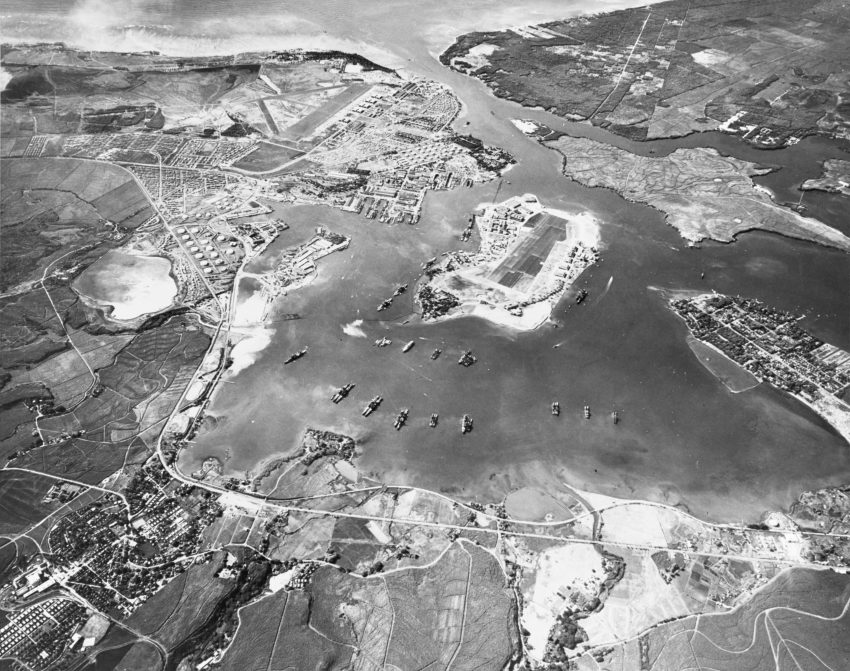
On the quiet Sunday morning of December 7, 1941, the United States Naval Base at Pearl Harbor, Hawaii, was unexpectedly thrust into history. The Imperial Japanese Navy launched a devastating aerial attack, aiming to cripple the U.S. Pacific Fleet and pave the way for Japan’s expansion in the Pacific. This moment not only marked a turning point in World War II but also reshaped the course of global history.
The Prelude to the Attack
Tensions between the United States and Japan had been simmering for years, driven by Japan’s aggressive military expansion across Asia and the Pacific. The U.S. imposed economic sanctions and trade embargoes, cutting off Japan’s access to vital resources like oil. These measures, designed to curb Japanese aggression, only heightened hostilities, leading Japan to plan a decisive strike against U.S. forces.
The Japanese attack plan, orchestrated by Admiral Isoroku Yamamoto, sought to neutralize the U.S. naval presence in the Pacific, giving Japan a strategic advantage. Despite intelligence suggesting an imminent attack, the exact location and timing remained unknown to U.S. officials.
The Attack on Pearl Harbor
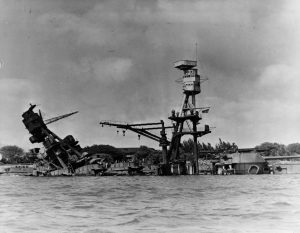
At approximately 7:55 a.m., the tranquility of Pearl Harbor was shattered. Waves of Japanese aircraft descended on the base, unleashing a barrage of bombs and torpedoes on ships, airfields, and infrastructure. In less than two hours, the damage was catastrophic:
- Over 2,400 American servicemen and civilians lost their lives.
- 21 ships were damaged or destroyed, including the USS Arizona, where 1,177 crew members perished.
- Nearly 200 aircraft were destroyed or severely damaged.
Despite the devastation, key elements of the U.S. Pacific Fleet, including aircraft carriers and repair facilities, were spared, allowing for a quicker recovery than Japan had anticipated.
Aftermath and the U.S. Response
The attack galvanized the American public, transforming the United States from a nation largely indifferent to the distant war into a unified force ready to fight. On December 8, 1941, President Franklin D. Roosevelt addressed Congress, declaring December 7 “a date which will live in infamy” and requesting a formal declaration of war against Japan. Congress approved the resolution almost unanimously, marking the entry of the United States into World War II.
Pearl Harbor became a rallying cry for the American war effort, symbolizing resilience and determination. In the years that followed, the United States played a pivotal role in the Allied victory, culminating in Japan’s surrender in 1945.
Legacy of Pearl Harbor
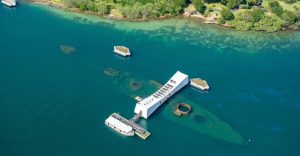
Today, Pearl Harbor remains a solemn reminder of the sacrifices made during World War II. The USS Arizona Memorial, which spans the sunken battleship, stands as a tribute to the lives lost on that fateful day. Visitors from around the world come to pay their respects, ensuring that the lessons of Pearl Harbor endure.
As we remember December 7, we honor the courage and resilience of those who served and reflect on the profound impact this event had on shaping the modern world. Pearl Harbor reminds us of the costs of war and the enduring importance of vigilance and unity in the face of adversity.