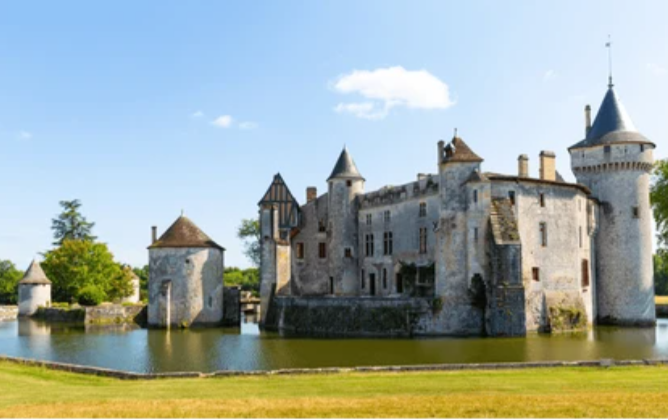
When you picture a medieval castle, you probably imagine towering stone walls, brave knights, and perhaps a damsel in distress waiting in a tower. But the reality of these magnificent structures was far more fascinating and complex than fairy tales would have us believe. Medieval castles weren’t just military fortresses – they were bustling centers of daily life, ingenious examples of medieval engineering, and symbols of power that shaped European society for centuries.
The golden age of castle building stretched from the 9th to the 15th centuries, with each era bringing new innovations and adaptations. What started as simple wooden structures on earthen mounds evolved into the massive stone fortresses we marvel at today. The transformation wasn’t just about defense – it reflected changing social structures, advancing technology, and the growing wealth of medieval nobility.
One of the most surprising aspects of medieval castles was how crowded and lively they were. Far from being lonely outposts, a typical castle housed hundreds of people during peacetime. The great hall buzzed with activity as servants prepared elaborate feasts, merchants conducted business, and traveling minstrels entertained guests. The castle’s kitchens were marvels of medieval engineering, featuring massive fireplaces that could roast entire oxen and sophisticated systems for storing and preserving food through long winters.
The defensive features of castles were incredibly clever, often incorporating psychological warfare alongside physical barriers. Take the spiral staircases, for example – they were deliberately built to spiral clockwise, giving right-handed defenders the advantage when fighting upward-climbing attackers. Murder holes in ceilings allowed defenders to pour boiling oil or water on invaders, while cleverly angled arrow slits provided maximum protection for archers while offering clear shots at enemies.
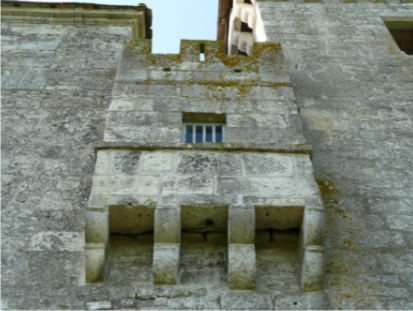
Perhaps most fascinating were the castle’s “garderobe” – medieval toilets that were far more sophisticated than many people realize. These weren’t just simple holes in the wall, but carefully engineered waste disposal systems that often emptied into moats or rivers. Some castles even had multiple levels of garderobes connected by chutes, creating an early form of plumbing that wouldn’t be out of place in a modern building.
The social hierarchy within castle walls was rigid but fascinating. The lord and lady occupied the solar – private chambers that were the height of medieval luxury, complete with glass windows (an incredible expense at the time) and elaborate tapestries. Meanwhile, servants, soldiers, and craftsmen lived in various quarters throughout the castle, each group with specific roles that kept this medieval machine running smoothly.
Castle construction was an enormous undertaking that could take decades to complete and bankrupt entire families. Master masons were among the most respected craftsmen of their time, traveling across Europe to share their expertise. They developed ingenious techniques for moving massive stones, creating mortar that has lasted centuries, and designing structures that could withstand both siege warfare and the test of time.
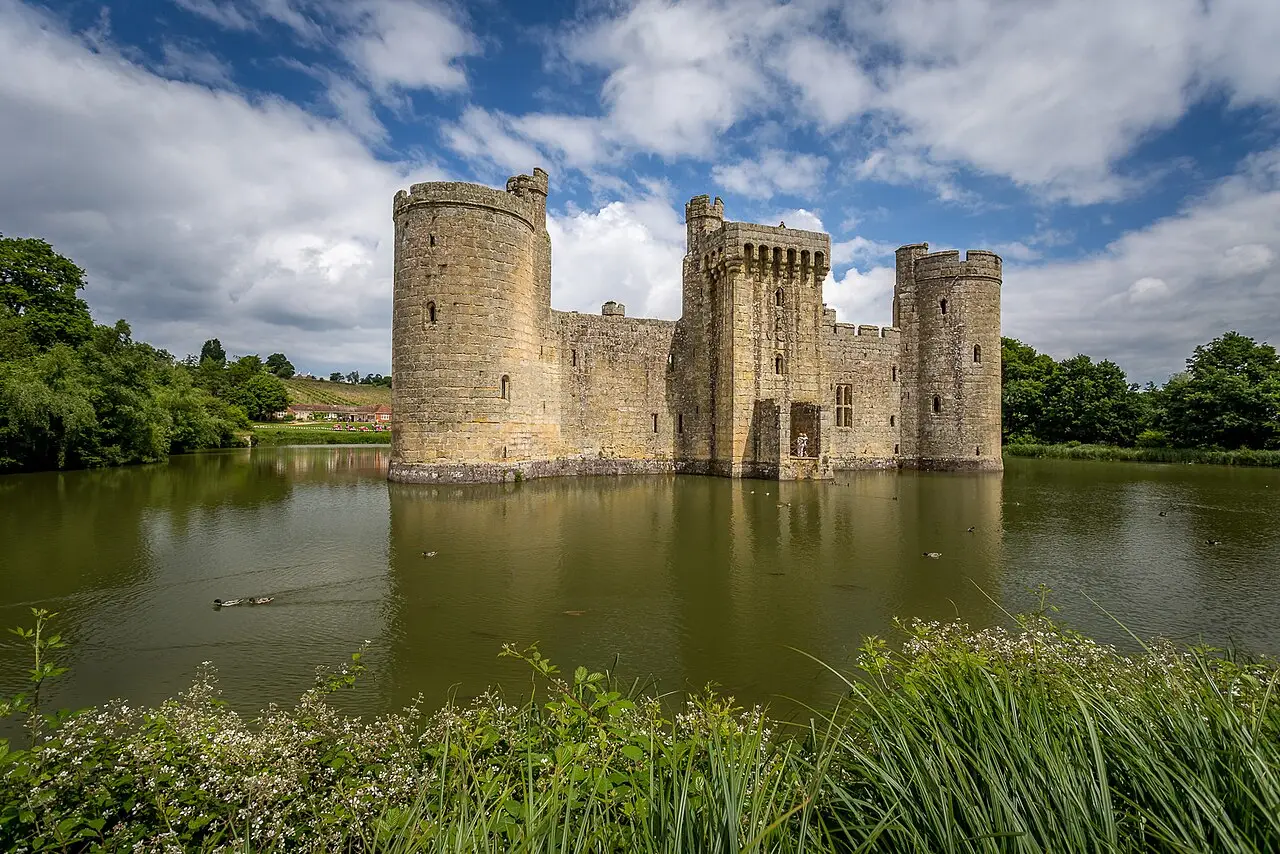
The decline of castles came not from military defeat, but from changing times. The invention of gunpowder and cannons made high walls less effective, while the rise of centralized monarchies reduced the need for local fortifications. Many castles were abandoned or converted into more comfortable residences as medieval society evolved into the Renaissance.
Today, these medieval marvels continue to capture our imagination, standing as testament to human ingenuity and ambition. From Scotland’s dramatic clifftop fortresses to France’s elegant Loire Valley châteaux, each castle tells a unique story of the people who built, lived in, and defended these remarkable structures. They remind us that the medieval period, far from being a “dark age,” was a time of incredible innovation, complex social organization, and architectural achievement that still inspires us nearly a thousand years later.