Early in cinematic history, when filmmakers and audiences clamored for color movies, scientists and innovators behind the scenes were working on a way to make movies in living color. The answer came in the catchy, modern-sounding new filming process called Technicolor. Technicolor was the first color motion picture process that was extensively used in Hollywood. It made colors vibrant and lifelike, making movies more enjoyable to watch. Technicolor was an innovative, revolutionary technology that changed the way people made and watched movies. Let’s look at the development of Technicolor.
Technicolor is a color motion picture process that was developed by Technicolor Motion Picture Corporation. It was the first successful color process that was extensively used in Hollywood. Technicolor used a three-strip camera that captured images in red, green, and blue. The three strips of film were then combined to create a full-color image. The process was complex, but it produced vivid and lifelike colors that made movies more enjoyable to watch.
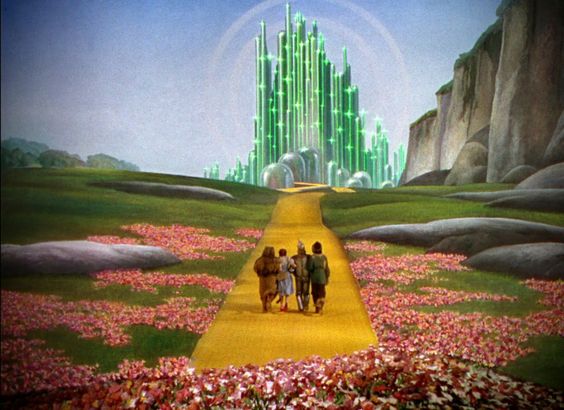
Classic movie buffs may associate Technicolor with the blockbusters of the late 1930s, like The Wizard of Oz, Gone with the Wind, and The Adventures of Robin Hood, but the roots of Technicolor go back farther. The first film to use Technicolor was The Gulf Between, released in 1917 and was directed by Wray Bartlett Physioc.
The Gulf Between was a silent movie that told the story of a rich man, played by Vaudeville actor Niles Welch, who falls in love with a poor girl, played by Canadian actress Grace Darmond. The movie was costly to produce because of the Technicolor process. Since Technicolor was still in its infancy at this time, the end result was not ideal. Although moviegoers marveled at seeing a sunset scene in all its vibrant glory, many people complained that watching the movie strained their eyes and gave them headaches. Weird flashes of red or green tainted some of the scenes and there were odd orbs of colors floating around. Technicolor was clearly a work in progress. The film was not a commercial success, but it paved the way for Technicolor to become a popular color process in Hollywood.
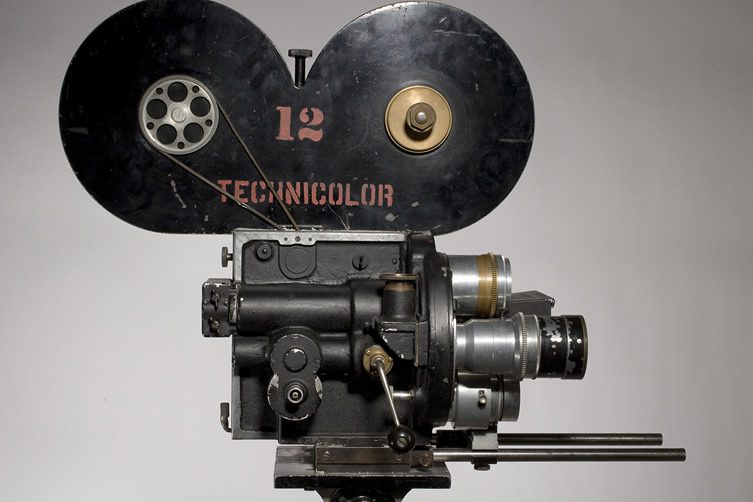
Inventors, scientists, and film engineers continued to tweak and improve the Technicolor process. It took time to work out the bugs, but as camera and film developing techniques improved, so did Technicolor. Hollywood studios, producers, and directors were eager for Technicolor to become more stable, easier to use, and less expensive. They had big plans to make the leap from black and white to color. Before Technicolor, most films were shot in black and white. There were some attempts to create color movies, but they were not very successful. Technicolor changed all that by producing vivid and lifelike colors that made movies more enjoyable to watch.
The 1935 drama film Becky Sharp, which starred Miriam Hopkins in an Oscar-nominated performance as the title character, is noteworthy because it was the first feature-length film to be entirely shot using the three-strip Technicolor method. In the previous year, Technicolor was used to film single scenes in other movies, such as The Cat and the Fiddle, The House of Rothschild, and Kid Millions. These films served as tests to determine if the updates and improvements to Technicolor had advanced the filming process enough for studios to invest in shooting an entire movie using this process. These films, and the quality of the cinematography in Becky Sharp, proved that Hollywood was ready to wow audiences with Technicolor magic.
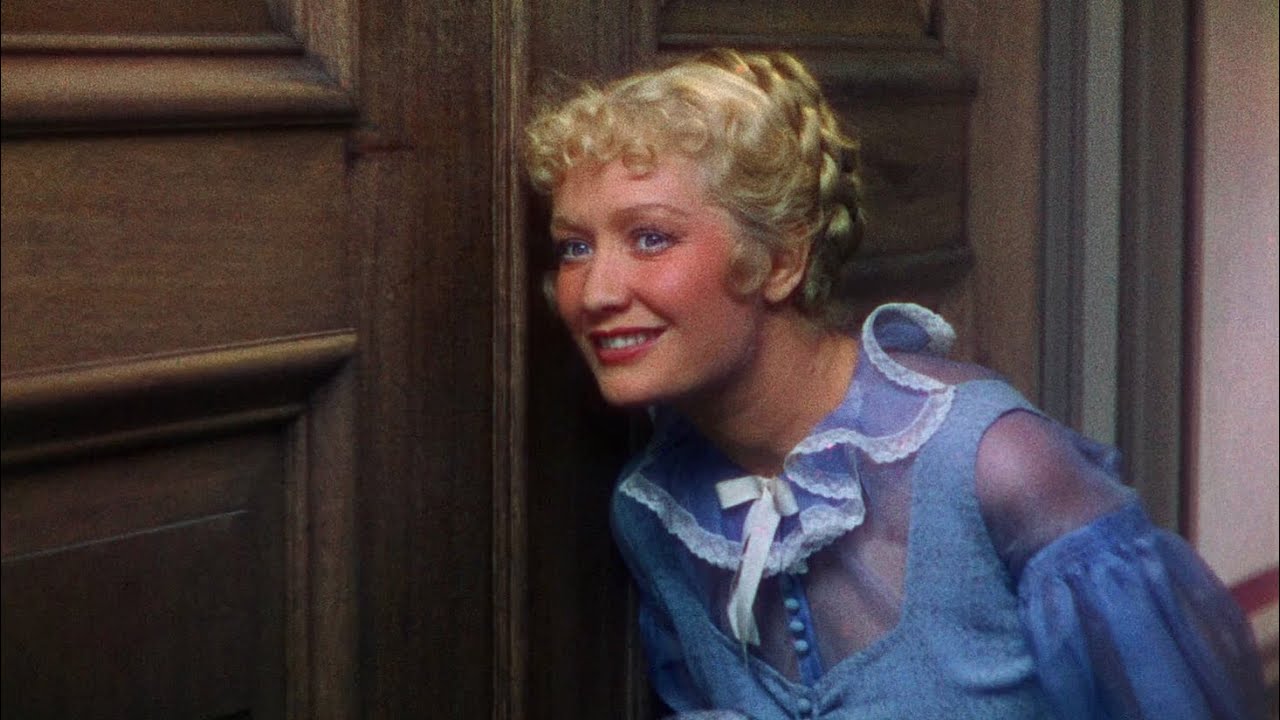
When MGM Studios released its blockbuster 1939 movie, The Wizard of Oz, the rest of Hollywood … and the rest of the world … sat up and took notice of the wonders of Technicolor. The use of Technicolor in The Wizard of Oz was strategic and intentional. The filmmakers wanted to create a contrast between the drab, sepia-toned world of Kansas and the vibrant, colorful world of Oz. The film begins in Kansas, with scenes shot in black and white. As Dorothy is transported to Oz, the film transitions into full Technicolor.
The use of Technicolor in The Wizard of Oz was also used to enhance the film’s fantastical elements. The colorful sets, costumes, and characters were brought to life through the use of Technicolor. From the yellow brick road to the Emerald City, Technicolor helped to create a world that was truly magical. The use of Technicolor in The Wizard of Oz was a significant milestone in film history. It helped to pave the way for future films to explore the use of color in storytelling.
Technicolor became a popular color process in Hollywood because it produced vivid and lifelike colors that made movies more enjoyable to watch. The process was complex and expensive, but it was worth the investment. The first movies to use Technicolor were musicals, but soon other genres followed suit. Technicolor remained a popular color process until the 1950s when other color processes were developed.
Technicolor was a revolutionary technology that changed the way people watched movies. It produced vivid and lifelike colors that made movies more enjoyable to watch. Technicolor’s legacy can still be seen today in the vibrant colors of classic films. Even though other color processes have been developed, Technicolor remains a symbol of the golden age of Hollywood.