Throughout the 1930s, movie studios seemed focused on churning out entertaining, yet shallow ‘escapist’ movies, but there were people in the film industry who longed to see Hollywood use its creative talents to produce films with more substance to them. They advocated for more socially conscious and meaningful filmmaking. For a time, their comments fell on deaf ears. But after the release of Preston Sturges’ 1941 film, Sullivan’s Travels, a satirical comedy that criticized Hollywood’s obsession with fluff, studio execs and producers were forced to take notice. Here is what made Sullivan’s Travels the movie that told Hollywood to get serious.
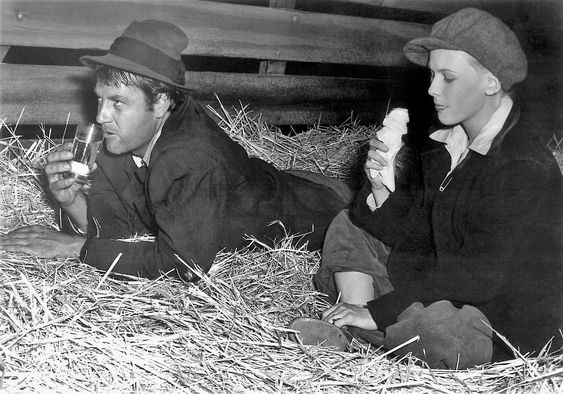
Sullivan’s Travels, which takes its title from the 1726 novel, Gulliver’s Travels, by satirist Jonathan Swift, tells the story of a successful Hollywood director named John Sullivan, played by Joel McCrea. Sullivan decides to leave his comfortable life and go on the road to experience the hardships and struggles of real people, in order to make a socially relevant movie.
Along the way he meets a struggling actress, played by Veronica Lake, experiences poverty, hardship, and criminal injustices. He discovers important lessons about the power of laughter and the importance of uplifting the human spirit, which he learned, can be just as significant as social commentary. Sullivan returned to Hollywood with a renewed sense of purpose and a new appreciation for the value of entertainment.
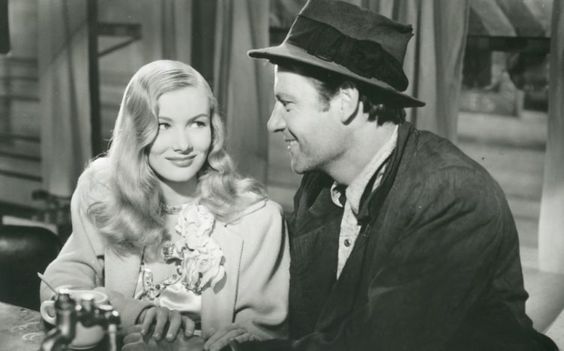
The movie was written and directed by Preston Sturges and has been called one of the best films about filmmaking in the Golden Age of Hollywood. Sullivan’s Travels argues that movies have the power to inspire and uplift people, and that filmmakers have a responsibility to use that power for good. It makes its argument in a humorous way, moving between direct jokes and slapstick comedy to tell the story in a fast-paced manner that conveys a sense of urgency. Fans and critics alike celebrated the movie for its wit, humor, and incisive observations on both the entertainment industry and society as a whole.
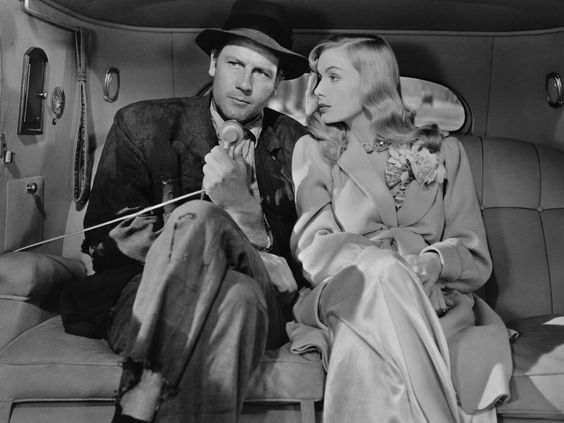
Upon its release in 1941, film critics were mixed in their reviews of Sullivan’s Travels. The New York Times, for example, called it “the most brilliant picture yet this year,” while The Hollywood Reporter noted that it “lacked the down to earth quality and sincerity.” As with all works of satire, some people get it, others don’t, and still others get it but don’t like the message.
Despite this, Sullivan’s Travels had a notable cultural impact, influencing the work of many filmmakers and critics who championed meaningful movie content in the decades that followed.