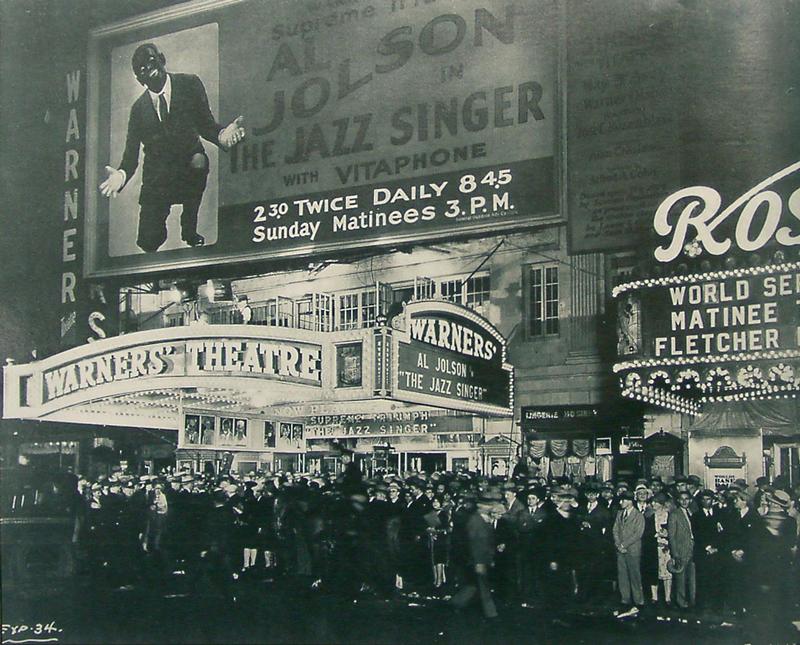
The Golden Age of Hollywood, spanning from the 1920s to the early 1960s, not only brought us timeless classics on the silver screen but also witnessed the birth of an institution that would play a pivotal role in shaping the landscape of cinema—the film festival. As Hollywood established itself as the entertainment capital of the world, a new avenue for celebrating the art of filmmaking emerged. This retrospective explores the origins of film festivals and how they evolved into a platform for showcasing the best in cinema, both nationally and internationally.
The Genesis: Venice Film Festival (1932)
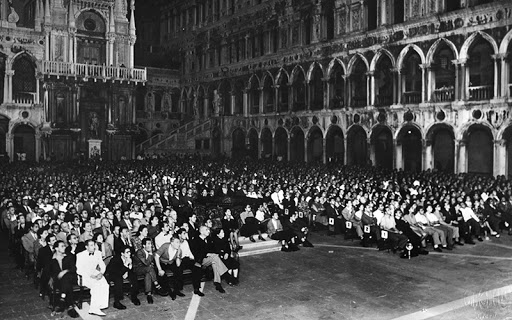
The Venice Film Festival, inaugurated in 1932, is often regarded as the first-ever international film festival. Taking place against the backdrop of the historic Venice Lido, this festival set the stage for what would become a global celebration of cinema. The inaugural edition featured films from 13 countries, marking a departure from the localized nature of film exhibitions that preceded it. The Venice Film Festival laid the groundwork for the internationalization of cinema and provided a platform for filmmakers to showcase their works on a global stage.
Cannes Film Festival: The Riviera Extravaganza (1946)

After the devastation of World War II, the Cannes Film Festival emerged as a beacon of hope for the film industry. Established in 1946, the festival was conceived as a response to the ideological battles of the war, promoting artistic expression and cultural exchange. The French Riviera became the glamorous backdrop for this annual event, attracting filmmakers, stars, and cinephiles from around the world. Cannes introduced the prestigious Palme d’Or award, elevating certain films to iconic status and cementing the festival’s influence on global cinema.
Postwar Renaissance: Berlin International Film Festival (1951)
The aftermath of World War II saw the establishment of the Berlin International Film Festival in 1951. Held in the divided city of Berlin, the festival aimed to bridge the gap between the East and West through the universal language of cinema. Despite political tensions, the Berlinale became a symbol of cultural unity, showcasing films from both sides of the Iron Curtain. The festival’s emphasis on diverse storytelling and its commitment to promoting dialogue through film made it a crucial player in the evolving landscape of international cinema.
American Showcase: New York Film Festival (1963)
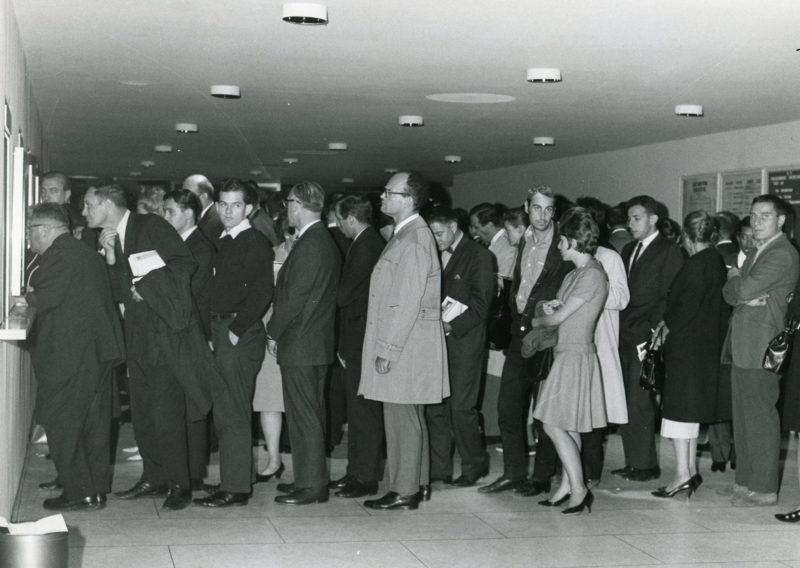
In the heart of Manhattan, the New York Film Festival emerged in 1963 as a showcase for the best in world cinema. The festival, organized by the Film Society of Lincoln Center, provided a platform for critically acclaimed films that had garnered recognition at other international festivals. The New York Film Festival contributed to the globalization of cinema by introducing audiences to groundbreaking works from diverse cultures. This American showcase not only celebrated international cinema but also highlighted the artistic achievements of Hollywood and independent American filmmakers.
Evolution of Film Festivals: A Global Phenomenon
As the decades unfolded, film festivals proliferated across the globe, each contributing to the rich tapestry of cinematic celebration. The Toronto International Film Festival (TIFF), founded in 1976, became a prominent platform for North American and international cinema. Sundance Film Festival, established in 1978, played a crucial role in promoting independent filmmaking, fostering a space for innovative and boundary-pushing works.
The proliferation of film festivals allowed for the discovery of hidden gems and underrepresented voices. Festivals like Cannes and Venice continued to set industry standards, while newer events like the Hong Kong International Film Festival and Busan International Film Festival provided platforms for Asian cinema to gain international recognition. The diversity of film festivals mirrored the global nature of the film industry itself, fostering cross-cultural exchange and appreciation for storytelling in all its forms.
Beyond the Red Carpet: The Impact on Filmmakers
For filmmakers, participation in film festivals became not only a badge of honor but also a gateway to broader audiences. The recognition garnered at prestigious festivals often translated into distribution deals, critical acclaim, and increased visibility on the international stage. Filmmakers like Quentin Tarantino and the Coen Brothers saw their careers catapulted after winning the Palme d’Or at Cannes, underscoring the transformative power of film festivals in shaping the trajectory of cinematic history.
Challenges and Controversies: Cannes in the 1960s
While film festivals played a vital role in promoting artistic expression, they were not immune to controversies. The Cannes Film Festival of the 1960s, for instance, was marked by protests and disruptions. In 1968, the festival came to a standstill as filmmakers, led by Jean-Luc Godard and François Truffaut, protested against what they perceived as an outdated and elitist selection process. The events of 1968 prompted changes in the festival’s structure, making it more inclusive and responsive to the evolving landscape of cinema.
Digital Age and the Future of Film Festivals
In the 21st century, the digital age has transformed the dynamics of film festivals. Online platforms have democratized access to films, allowing audiences to engage with cinematic works from the comfort of their homes. Festivals like SXSW and Tribeca embraced digital components, reaching a wider audience and adapting to the changing viewing habits of the modern era.
However, the essence of film festivals—the communal experience of watching films on the big screen, the excitement of premieres, and the personal interactions with filmmakers—remains irreplaceable. As we navigate the evolving landscape of cinema, film festivals continue to serve as vital gatekeepers, curating and championing the best in filmmaking while fostering a sense of community among cinephiles.
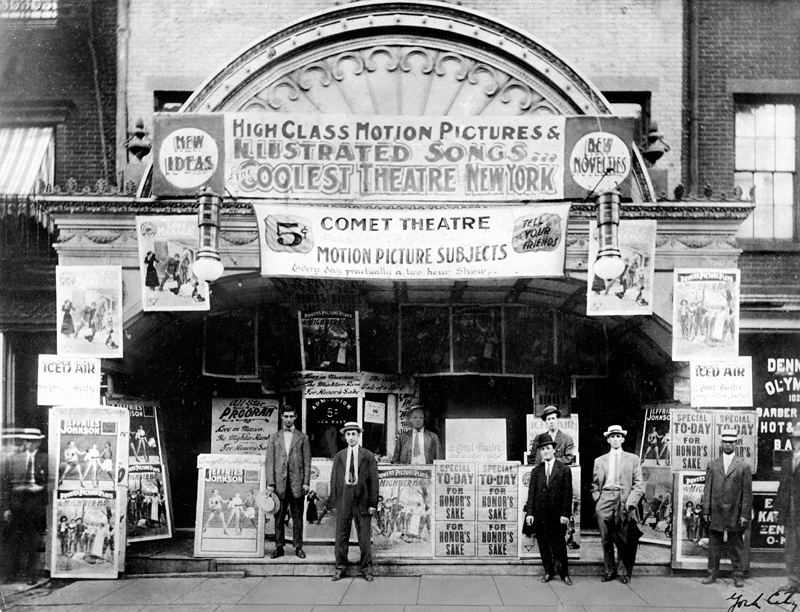
The birth and evolution of film festivals during the Golden Age of Hollywood marked a transformative period in the history of cinema. From the grandeur of Venice to the glamour of Cannes and the cultural exchange of Berlin, these festivals became crucial in shaping the global cinematic landscape. As we continue to celebrate the magic of storytelling, film festivals stand as beacons that illuminate the diverse and ever-evolving world of cinema, ensuring that the art form continues to captivate and inspire audiences for generations to come.