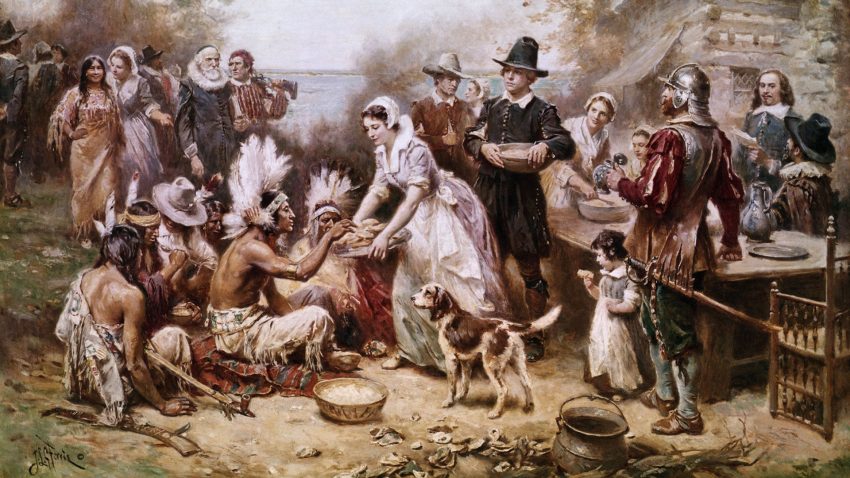
Thanksgiving is a uniquely American holiday rooted in gratitude and harvest celebrations. However, its history is complex, blending fact and myth. Let’s explore the origins of Thanksgiving, its transformation over centuries, and how it evolved into the holiday we know today.
The First Thanksgiving: Fact vs. Fiction
The story most Americans learn in school begins in 1621, when Pilgrims at Plymouth Colony held a feast to celebrate their first successful harvest in the New World. The gathering reportedly included the Wampanoag people, who had helped the settlers survive by teaching them essential farming techniques.
While this event is often romanticized as the “First Thanksgiving,” there are important clarifications:
*Not the First Harvest Feast: Native Americans had celebrated harvest festivals for centuries before the arrival of Europeans.
*A Political Alliance: The 1621 feast was likely less about friendship and more about securing an alliance between the Pilgrims and the Wampanoag, who sought support against rival tribes.
*Menu Myths: The traditional turkey, stuffing, and cranberry sauce were likely absent. Instead, the feast included venison, wild fowl, and local produce like squash and corn.
Thanksgiving in Early America
Thanksgiving celebrations did not become an annual tradition immediately. Throughout the 17th and 18th centuries, days of thanksgiving were declared sporadically to mark events such as military victories or successful harvests. These observances were more religious and solemn, often involving fasting and prayer.
By the late 18th century, individual states, particularly in New England, began holding annual harvest festivals resembling modern Thanksgiving. However, there was no nationwide holiday yet.
The Role of Sarah Josepha Hale
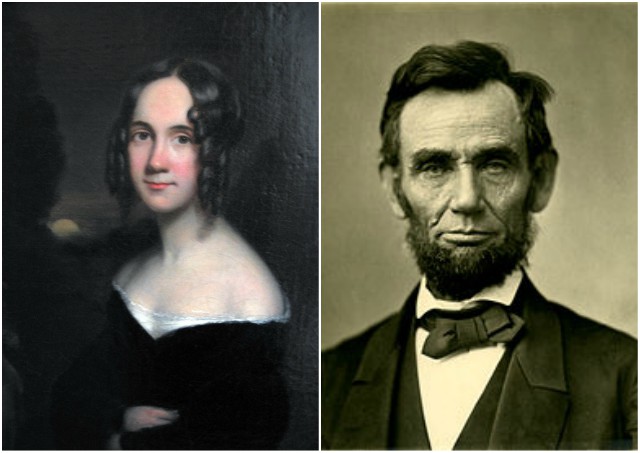
The “Mother of Thanksgiving,” Sarah Josepha Hale, was instrumental in making Thanksgiving a national holiday. A writer and editor, Hale campaigned tirelessly for a unified holiday that could bring Americans together. She lobbied presidents for decades, publishing editorials and even including Thanksgiving themes in her writing.
Finally, in 1863, during the Civil War, President Abraham Lincoln proclaimed Thanksgiving a national holiday, to be celebrated on the last Thursday of November. Lincoln saw it as a way to foster unity and healing during a time of immense division.
Modern Traditions Take Shape
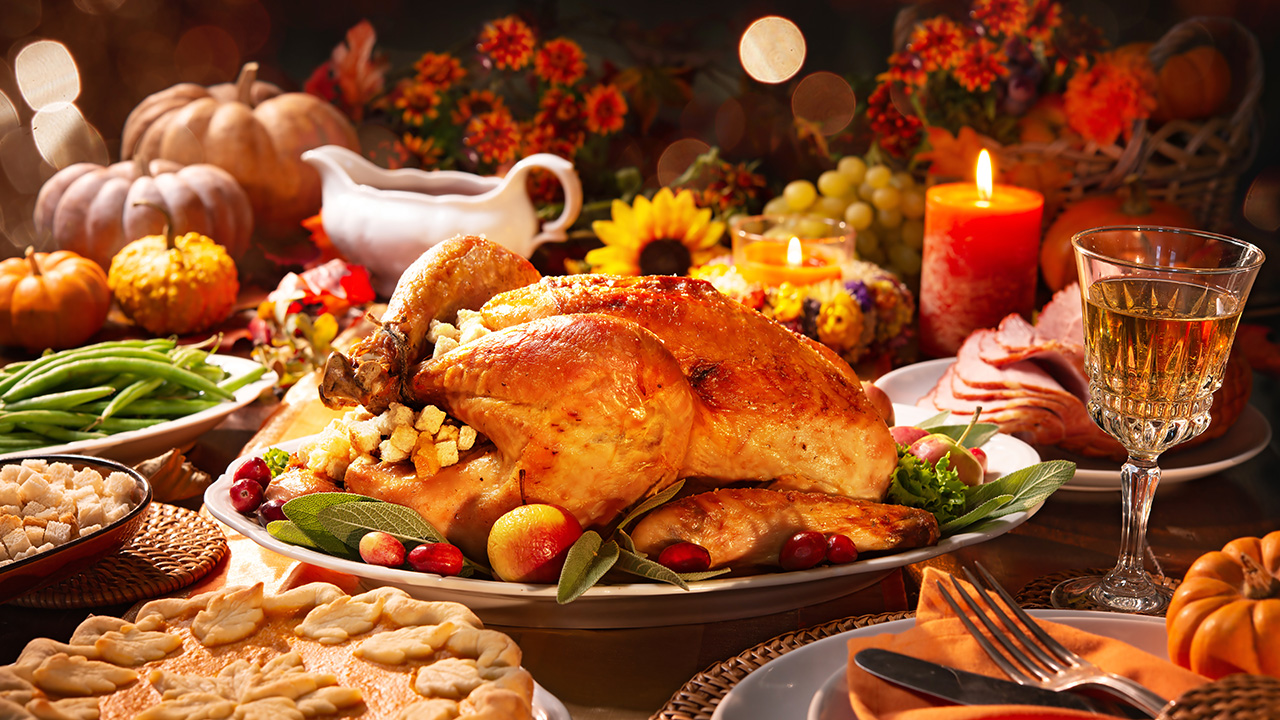
Thanksgiving as we know it today began to solidify in the late 19th and early 20th centuries.
*Turkey Takes Center Stage: By the 19th century, turkey became the centerpiece of the meal, likely because it was plentiful and affordable.
*Cranberry Sauce and Pumpkin Pie: These staples emerged as culinary traditions thanks to New England settlers and the availability of these ingredients during the fall.
*Parades: Macy’s Thanksgiving Day Parade, first held in 1924, helped cement the holiday as a national cultural event.
*Football: Thanksgiving Day football games became a staple in the early 1900s, blending sports with tradition.
Reexamining Thanksgiving Today
In recent decades, there has been growing recognition of the darker aspects of Thanksgiving’s history. For many Native Americans, the holiday is a reminder of the suffering and loss endured by their ancestors following European colonization. Some observe it as a National Day of Mourning to honor Native resilience and survival.
The Spirit of Thanksgiving
Despite its complicated history, Thanksgiving remains a time for reflection, gratitude, and togetherness. Whether you celebrate with a traditional turkey dinner, a “Friendsgiving” potluck, or a moment of quiet thanks, the holiday encourages us to appreciate the people and blessings in our lives.
As we gather around the table this year, let’s remember the true origins of Thanksgiving and honor both the myths and the facts of its history. In doing so, we can celebrate with greater understanding and inclusivity.