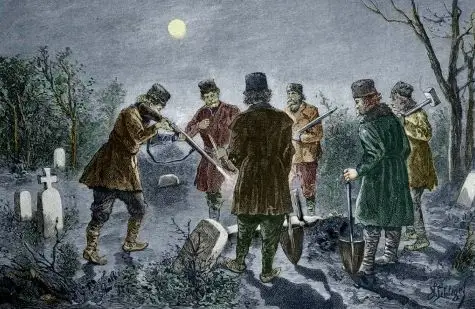
Vampires have been lurking in human history for centuries, evolving from terrifying folklore creatures into some of the most popular figures in modern entertainment. But where did the legend of the vampire really begin?
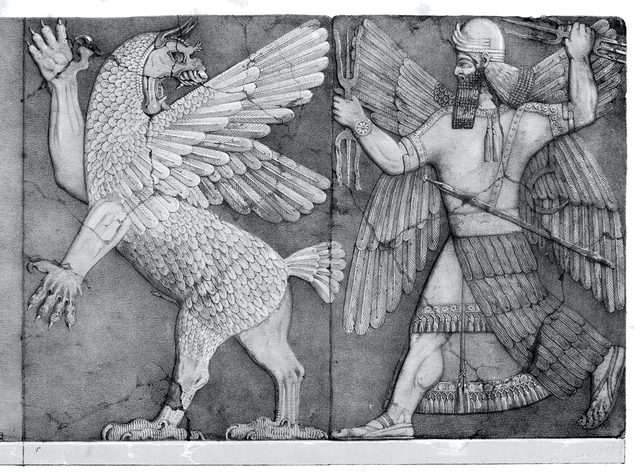
Long before Dracula or Twilight, ancient cultures across the world had their own versions of blood-drinking beings. In ancient Mesopotamia, the Lamashtu was a demon-like creature that fed on infants and pregnant women. Similarly, the Strigoi of Romanian folklore were restless spirits that could return from the dead to drain the life from the living. Even in ancient Greece, stories of the Lamia—who feasted on the blood of children—circulated widely. These early myths laid the foundation for what we now recognize as vampire lore.
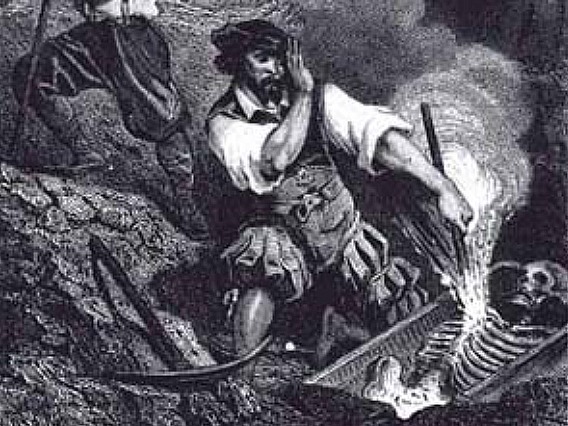
The fear of the undead really took hold in Europe during the Middle Ages, especially as plagues spread across the continent. With death all around, people sought explanations for sudden deaths, strange illnesses, or corpses that seemed to decay too slowly. Many believed that vampires—undead creatures rising from their graves—were to blame. This led to real-life vampire hunts, where suspected vampires were exhumed, staked through the heart, or even burned to prevent them from returning.
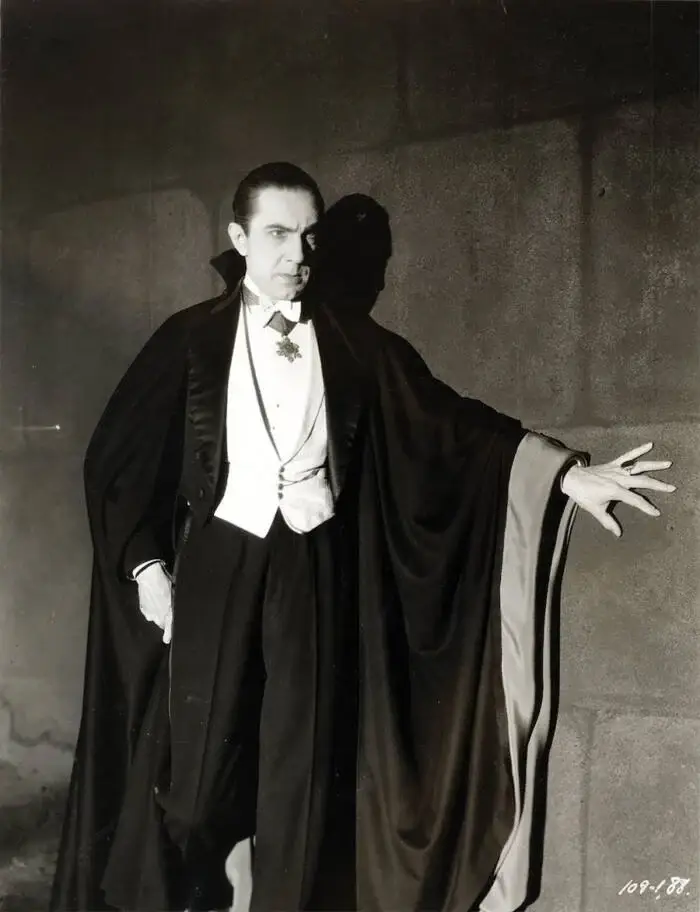
It wasn’t until the 18th and 19th centuries that the vampire transformed from a terrifying rural legend into a cultural icon. Gothic literature played a huge role in this shift. One of the earliest fictional vampires appeared in John Polidori’s 1819 story The Vampyre, which introduced the concept of the aristocratic vampire—a charming yet deadly predator. But it was Bram Stoker’s Dracula (1897) that truly cemented the vampire as a staple of horror fiction. Stoker’s Count Dracula combined elements of Slavic folklore with Victorian fears of sexuality and the unknown, creating a character that still haunts pop culture today.
Fast forward to the 20th and 21st centuries, and vampires have become more than just horror icons. They’ve been reimagined in countless ways, from the romanticized vampires of Interview with the Vampire to the sparkling creatures of Twilight. TV shows like Buffy the Vampire Slayer and True Blood have explored vampires as both villains and misunderstood outsiders.
From ancient nightmares to modern-day heartthrobs, the vampire has remained one of the most enduring and adaptable legends in human history. Whether they terrify or mesmerize, one thing’s for sure—vampires aren’t going anywhere anytime soon.