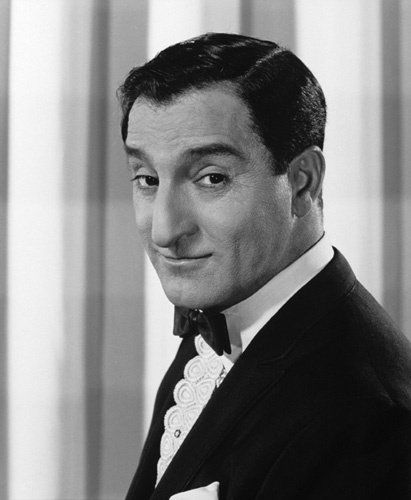
Actor, funnyman, and philanthropist Danny Thomas might be best remembered for his extensive television career and for his commitment to philanthropy, yet he also had a notable film career during the Golden Age of Hollywood. The Michigan native and son of Lebanese immigrants, Danny Thomas parlayed his love of performing into a long-running show business career that included stand-up comedy, radio, nightclub performer, and television. In this article, we will focus on the mark he left in Hollywood during the Golden Age.
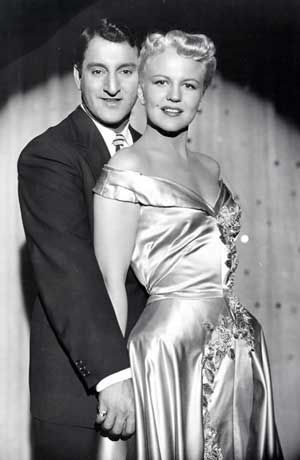
When Danny Thomas was born in 1912, he was given the name Amos Muzyad Yaqoob Kairouz. He later adopted the more American sounding, “Danny Thomas,” in 1940. He took his stage name from the first names of two of his brothers. He moved from stand-up comic shows at nightclubs to radio, which allowed him to gain a much larger fan base. His popularity on radio helped him catch the attention of Hollywood filmmakers.
Thomas’ movie debut was in the 1947 film, The Unfinished Dance, which starred Margaret O’Brien and Cyd Charisse. The film followed several members of a ballet company and Thomas, who portrayed Mr. Paneros, was able to showcase his dancing talents.
He followed up this performance with the 1948 Big City. Once again, Thomas shared the screen with Margaret O’Brien. In the film, three New York bachelors find an abandoned baby and seek to raise her themselves, despite a host of others, including an adoption judge, who insists the child needs a mother figure.
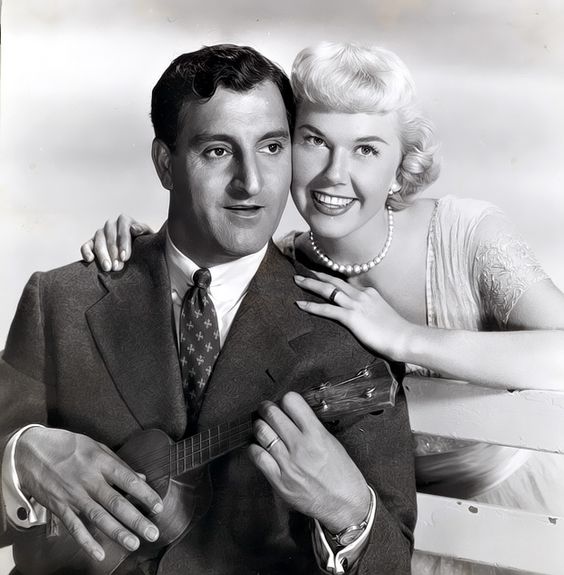
For his next film, Call Me Mister in 1951, Thomas co-starred with Betty Grable. In this musical comedy, Thomas was cast in the lead role of Mike O’Toole, a former soldier who is producing a variety show. Critics praised the lively musical numbers and the comedic moments, as well as Thomas’s performance. Also in 1951, Thomas appeared in I’ll See You in My Dreams with Doris Day. I’ll See You in My Dream was a film biography of Gus Kahn, a noted lyricist.
Danny Thomas starred in the 1952 remake of the iconic 1927 film, The Jazz Singer, alongside singer Peggy Lee. In the musical drama, Thomas played the role of Jerry Golding, the son of a Jewish singer who struggled to balance his love of jazz music with his family’s traditions. The Jazz Singer marked Thomas’s Hollywood breakthrough role and showcased his acting and singing skills.
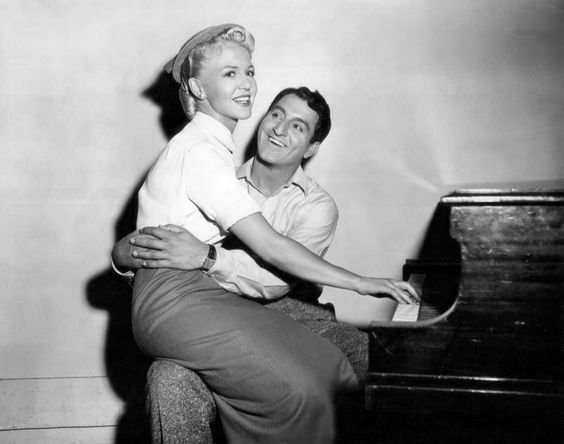
After the huge success of The Jazz Singer, Danny Thomas took a hiatus from Hollywood that lasted for a dozen years. During this time, he made a name for himself as a television performer. In 1962, he returned to the big screen in Looking for Love, making a cameo appearance as himself. In his next film, the 1966 Don’t Worry, We’ll Think of a Title, Thomas has an uncredited role as a diner patrol.
In Journey Back to Oz, a 1972 animated film, Thomas voiced the Tin Man. Danny Thomas’s last two films were That’s Life in 1979 and Side by Side in 1988.
Although Danny Thomas’s Hollywood film career was not as extensive as his television work, he made notable contributions to the movie industry with his roles in various genres, from musicals, dramas, and comedies. Thomas’s talent, comedic timing, and dynamic stage presence made him a popular entertainer, whether he was performing in nightclubs, on radio, in films, or on television. This memorable career as an entertainer, coupled with his selfless philanthropy work – primarily as the founder of St. Jude’s Children’s Hospital – left a lasting impression on American society.