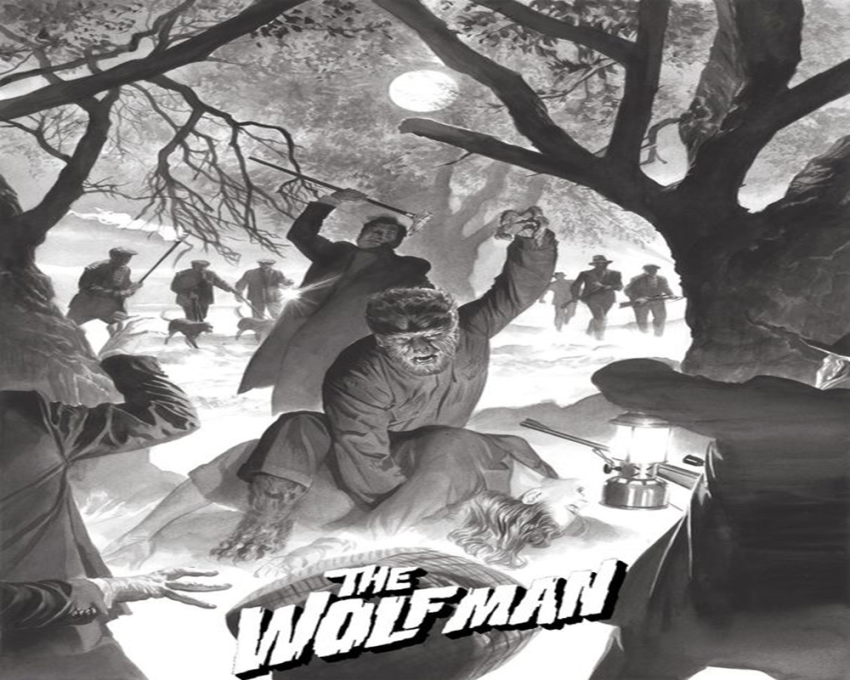
The 1941 film, The Wolf Man is a beloved classic of the Golden Age of Hollywood. It is a classic horror film that has spawned countless adaptations and remakes and set the stage for the soon-to-be mainstream horror movie genre. But why is the film so significant? In this blog post, we’ll explore why The Wolf Man was a groundbreaking film that has stood the test of time.
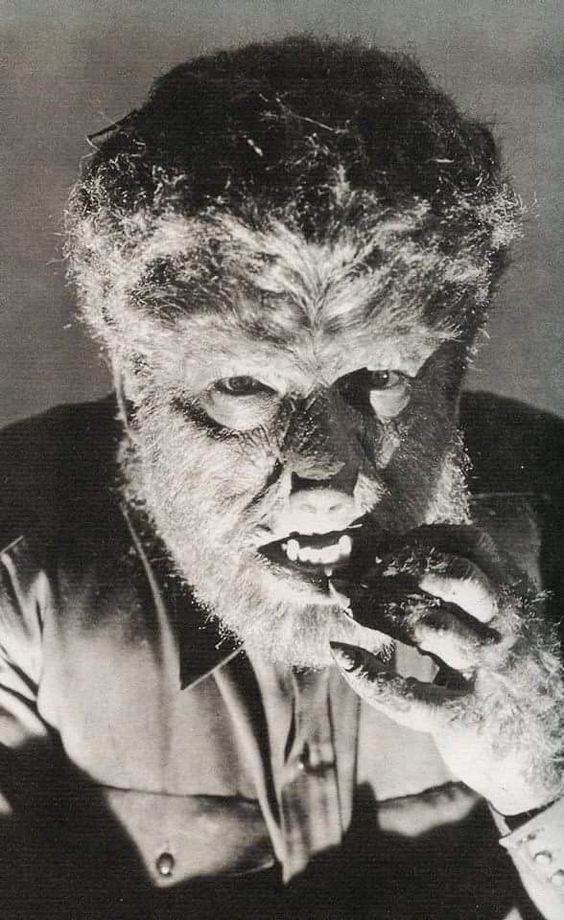
The werewolf is one of the oldest and most enduring tropes of horror fiction. The werewolf myth dates back to ancient Greek and Roman mythology, with stories of men turning into wolves to fulfill a dark purpose. The 1941 film The Wolf Man was one of the first film to bring the popular werewolf myth to the silver screen. It had a unique and captivating storyline that has captivated audiences for decades.
The Wolf Man tells the story of Larry Talbot, a man who is cursed with the power to transform into a werewolf. He is forced to confront his inner demons and fight against a powerful force of evil that threatens to consume him. The film is a classic example of horror storytelling, and its influence can be seen in many of the horror films that followed.
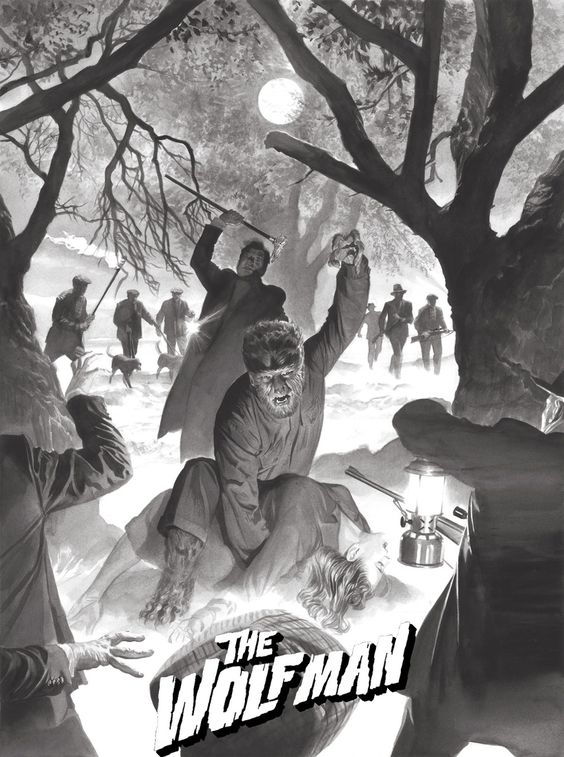
Directed by George Waggner, The Wolf Man starred Lon Chaney Jr. the son of legendary actor Lon Chaney Sr., who had also taken a title role in a Hollywood horror film when he appeared in the 1925 silent film The Phantom of the Opera. Chaney Jr. was a rising star in 1941 and, like his famous father, was well-known for his work in horror films. He appeared in movies such as Man-Made Monster and The Mummy’s Hand, as well as reprisals of his Wolf Man character in several sequels. His portrayal of the Wolf Man earned him a nomination for an Academy Award.
British actor Claude Rains and Russian actress Maria Ouspenskaya also appeared The Wolf Man. Rains, who appeared in The Invisible Man and Casablanca, played Sir John Talbot, Larry Talbot’s father. He was nominated for Best Supporting Actor Academy Award for his performance in The Wolf Man.
Maria Ouspenskaya was also nominated for an Academy Award in the Best Supporting Actress category for her work in The Wolf Man. The veteran of such films as Grand Hotel and The White Sister, Ouspenskaya portrayed a wise gypsy woman. Her memorable character helps explain the Wolf Man lore and how Larry Talbot was afflicted.
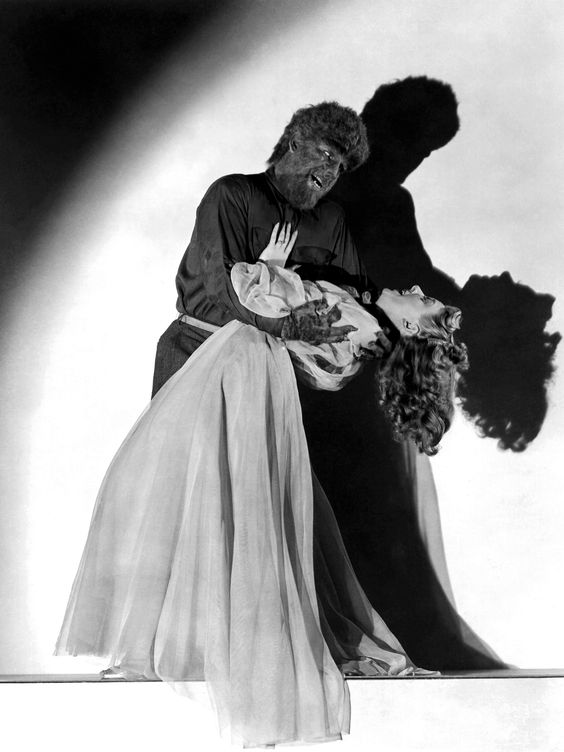
The Wolf Man was part of a series of classic monster movies released by Universal Pictures in the 1930s and 1940s. These films featured iconic monsters such as the Mummy, Frankenstein, and Dracula. The Wolf Man was the fourth installment in the series, and it was the first to feature a werewolf as the main antagonist. It was a major success, and it helped to solidify the popularity of Universal’s monster movies.
The Wolf Man played a significant role in cementing a place for monster movies in Hollywood, in part because it was the first film to depict a werewolf as a sympathetic character. The film’s special effects and makeup were groundbreaking for the time, and it set the standard for the horror films that followed.
The Wolf Man has been remade several times, and it has been parodied and referenced in countless films and television shows since its release in 1941. The film’s iconic imagery and memorable characters have become staples of horror films and popular culture.
The Wolf Man was classic example of horror storytelling that has inspired countless films and television shows. The film’s unique take on the werewolf myth has captivated audiences for decades and served as a model for generations of filmmakers and moviegoers.