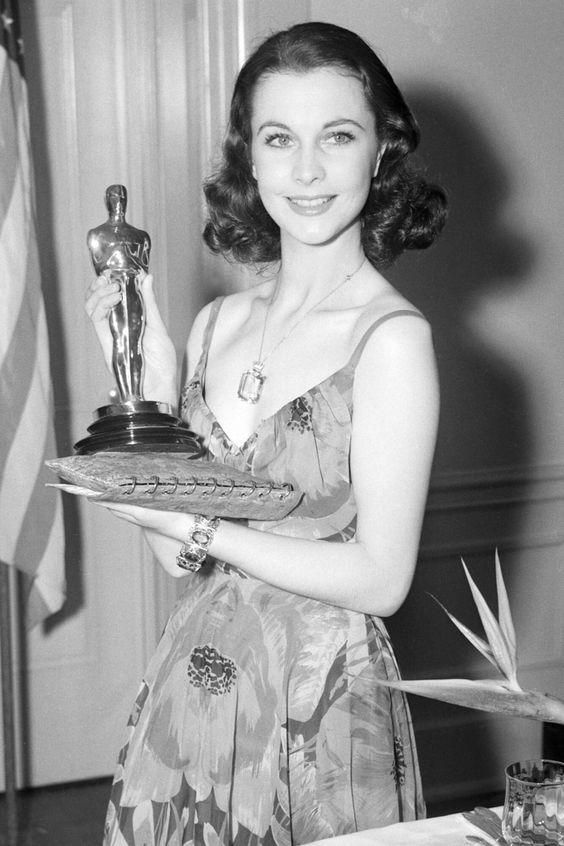
British actress Vivien Leigh will be forever remembered for playing the vivacious, conniving Scarlett O’Hara in Gone with the Wind, a classic movie from the Golden Age of Hollywood. But in this article, let’s go beyond Scarlett to talk about Vivien Leigh’s other notable roles and how she got her start on the big screen. We will learn that Leigh was a talented and versatile actress who was more than a pretty face and hoop skirts.
Vivien Leigh, born Vivian Mary Hartley, was just three years old in 1917 when she appeared on stage for the first time. She joined her mother’s amateur theatre group and was invited to recite “Little Bo Peep” for an audience. That ignited her love of acting. Later, when she was a schoolgirl at the Woldingham School, her friend was future actress Maureen O’Sullivan. At the age of 18, her father enrolled her in the Royal Academy of Dramatic Arts in London.
Her first movie role was as an uncredited extra in Things Are Looking Up. She was then cast with Laurence Olivier in the 1937 British film Fire Over England. Both of them were married to other people at the time, but they began a love affair during the filming of this movie. As filming wrapped up, Leigh, who had recently read Margaret Mitchell’s novel, Gone with the Wind, learned that the story was being made into a film. Although she was a relative newcomer, she threw her hat into the pool of actresses vying for the role of Scarlett O’Hara and shocked Hollywood by winning the role.
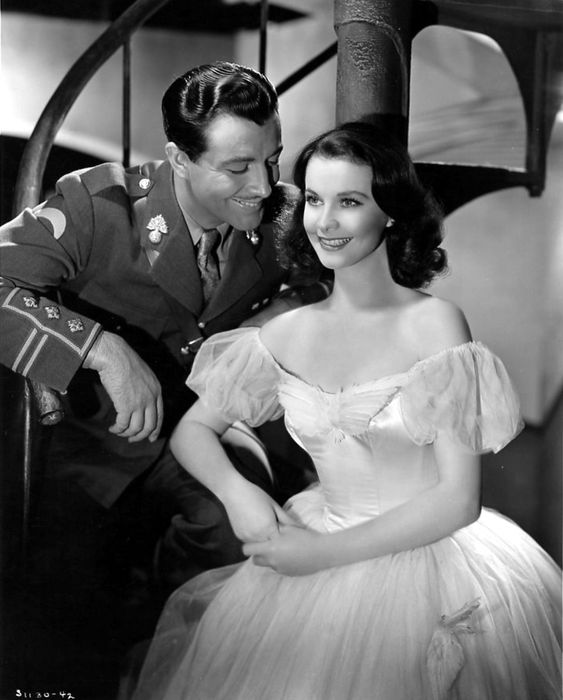
While the producers and director were still hashing out the cast list for Gone with the Wind, Vivien Leigh appeared in another British film, the 1938 A Yank at Oxford, which starred her friend, Maureen O’Sullivan, Robert Taylor, and Lionel Barrymore. This was the first time that one of her British films caught the attention of moviegoers in the United States. The timing was perfect. Her performance created a buzz that was enough for her to be cast as Scarlett in Gone with the Wind.
Following the success of Gone with the Wind, which earned Leigh an Academy Award for Best Actress, Vivien Leigh and Laurence Olivier both divorced their spouses and married each other. The couple tried to land starring roles together but that proved to be more difficult than they thought. In 1940, Vivien Leigh and Laurence Olivier were tapped to star in Waterloo Bridge, but the film’s director replaced Olivier with Robert Taylor, Leigh’s co-star in A Yank at Oxford. At the time, Taylor was at the peak of his career and Leigh was Hollywood’s newest, hottest star. In Waterloo Bridge, Leigh delivered a powerful performance as Myra, a ballerina who becomes involved with a British soldier during World War I.
Leigh finally landed a role opposite her husband, Olivier, in 1941 when she was cast to play Emma Hamilton in That Hamilton Woman. Her character was a real-life historical figure and the mistress of Admiral Horatio Nelson, played by Laurence Olivier, in a romantic drama set during the Napoleonic Wars. That Hamilton Woman was one of a number of Hollywood movies that were made with the goal of improving pro-British attitudes among the American public in the years leading up to World War II.
In 1945, Vivien Leigh took on the role of Cleopatra opposite Claude Rains as Julius Caesar in Caesar and Cleopatra, an adaptation of George Bernard Shaw’s play. The following year, she appeared in Thornton Wilder’s The Skin of Our Teeth, and she had the title role in the 1948 film, Anna Karenina. Although none of these films were huge commercial successes, Leigh was widely praised for her performances.
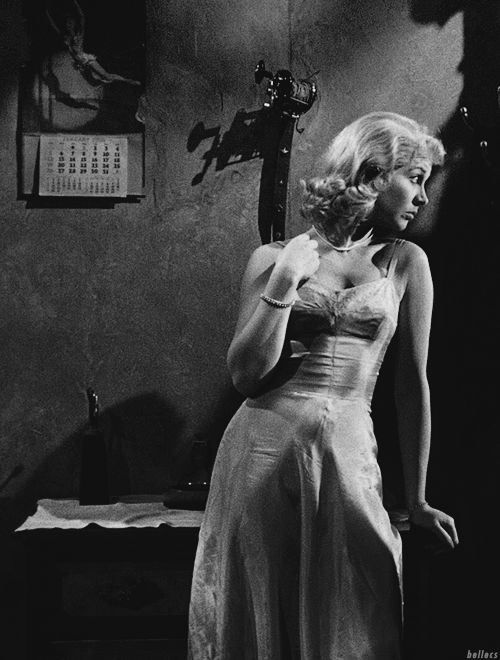
Vivien Leigh returned to the stage by playing Blanche DuBois in Tennessee Williams’s A Streetcar Named Desire, which was staged in London’s West End. The play ran for 326 performances. When it wrapped up, Leigh was surprised to be asked to reprise her role as Blanche in a film version of A Streetcar Named Desire. She was cast opposite Marlon Brando. Initially, the film’s director, Elia Kazan, was disappointed that the studio selected Leigh for the role of Blanche. He had been advocating for either Jessica Tandy or Olivia de Havilland to play the part and he later admitted that he thought Leigh was a “minor talent.” During the filming of A Streetcar Named Desire, however, his attitude changed. He recognized Leigh’s talents, passions, and commitment to her roles. That all shone through in her performance which earned her rave reviews from fans and critics alike. She was awarded her second Best Actress Academy Award for her portrayal of Blanche DuBois, in addition winning a BAFTA Award for Best British Actress, a Golden Globe, and a New York Film Critics’ Circle Award for Best Actress.
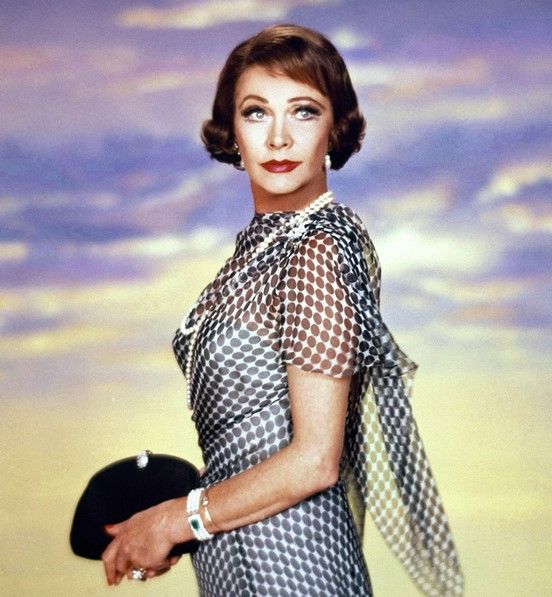
Vivien Leigh battled mental illness, bipolar episodes, and tuberculosis for many years. Her final movie role was in the 1965 Ship of Fools, which featured an ensemble cast. The film was produced and directed by Stanley Kramer who recalled how Leigh’s frequent outbursts put her at odds with other cast members. Kramer and the cast of Ship of Fools did not realize how sick Leigh was and how much strength it took her to push through her performances. She won acclaim for her role and even earned a L’Etoile de Cristol award for her part in Ship of Fools.
Just two years later, Vivien Leigh’s tuberculosis, which had been dormant for a number of years, roared back with a vengeance. She succumbed to the illness on July 8, 1967.
Vivien Leigh will be forever celebrated as one of the greatest actresses of the Golden Age of Hollywood, but it is important to look at her body of work. Her immense talent is evident once we look beyond her performance as Scarlett O’Hara in Gone with the Wind.