During the early 1900s, Hollywood was rapidly becoming the center of the film industry. However, as the popularity of movies grew, so did the concerns of critics and religious groups about the morality of the films being produced. In response to this, the Motion Picture Producers and Distributors of America (MPPDA) implemented the Hays Code, a set of guidelines that all films had to abide by. These guidelines were designed to ensure that films were moral, decent, and did not offend any particular groups. But what exactly were the reasons for Hollywood implementing the Hays Code?
Before the Hays Code, there was no official movie censorship in place. However, this soon changed as religious groups, politicians, and other concerned parties began to take notice of the content being shown in movie theaters. This led to a rise in state and local censorship boards, which had the power to ban films that they deemed to be inappropriate. Hollywood studios were increasingly under pressure to produce films that would pass these boards, which often had strict moral standards.
However, this system was far from perfect. Movies that were banned in one state could still be shown in another, and studios would often edit their films to appease the censors. This led to a lack of consistency across the industry, and there was growing concern that some studios were producing films that were simply too risqué.
During the 1920s and 1930s, Hollywood was seen as a glamorous and exciting place. However, this image was shattered by a series of scandals that rocked the industry. In 1921, the murder of director William Desmond Taylor sent shockwaves through Hollywood, and rumors of drug use and promiscuity were rampant. The death of actress Virginia Rappe during a party in 1921 only added fuel to the fire.
As a result, Hollywood was increasingly seen as a den of immorality, and there were concerns that the films being produced were contributing to this image. The studios realized that something needed to be done to address these concerns, and the Hays Code was seen as a way to restore the public’s faith in the industry.
Alongside concerns about the content of films and the image of Hollywood, there was also a desire within the industry for self-regulation. The studios recognized that if they did not take action to address the concerns being raised, there was a real risk that the government would step in and impose its own regulations on the industry.
Furthermore, the studios were keen to avoid any negative publicity that could harm the industry’s reputation. By implementing the Hays Code, the studios could demonstrate that they were taking the issue seriously and that they were committed to producing films that would not be offensive.
Finally, the Hays Code was largely the brainchild of Will Hays, the head of the MPPDA. Hays was a former politician who had served as the Postmaster General under President Warren G. Harding. He was brought in to head the MPPDA in 1922, and he quickly realized that something needed to be done to address the concerns being raised about the film industry.
Hays saw the implementation of the Hays Code as a way to restore the public’s faith in the industry and to avoid government regulation. He believed that the code would help to ensure that movies were moral, decent, and not offensive, and he worked tirelessly to promote the code and to encourage studios to abide by it.
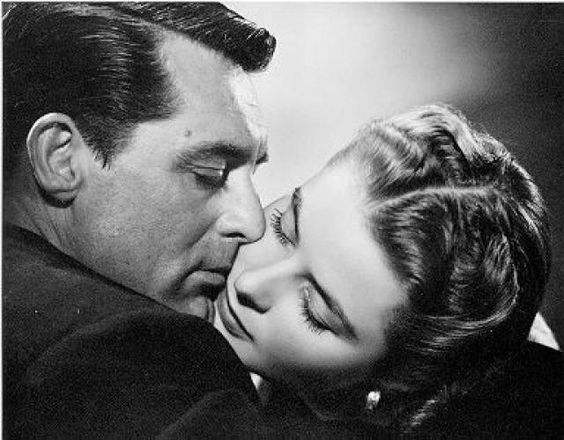
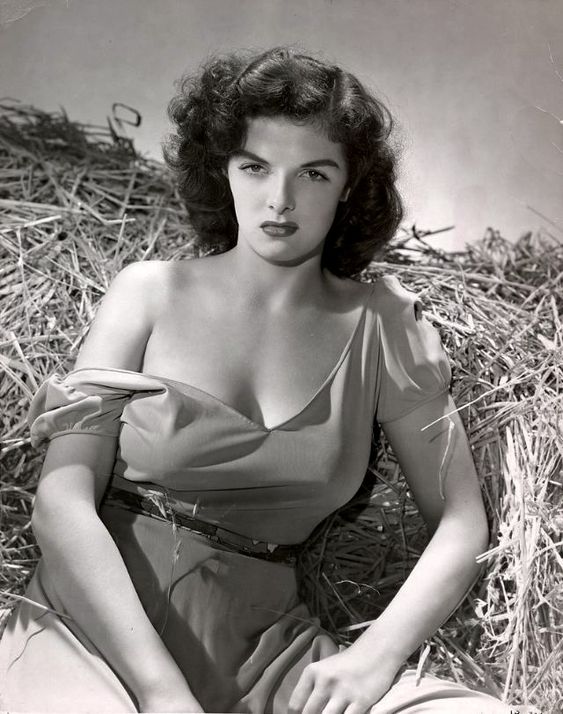
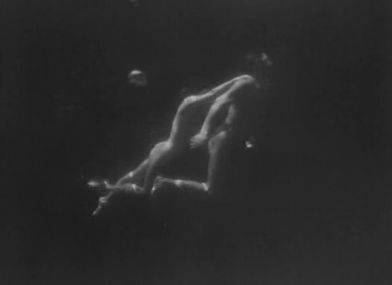
One of the first movies to be flagged by the Hays Code was Tarzan and His Mate, a 1934 film. The film included a brief nude scene featuring Maureen O’Sullivan’s character, although the scene was shot using a body double. Later, in 1941, the Howard Hughes-produced wester, The Outlaw, was denied approval because the advertising and promotional material for the film apparently focused on Jane Russell’s ample bosom more than the censors liked. One of the Hays Code rules that directors found particularly vexing was the three-second kissing rule. It put a damper on passionate, romantic scenes. Alfred Hitchcock, as well as other directors, found a work-around. In his 1946 movie, Notorious, he instructed his stars, Cary Grant and Ingrid Bergman, to separate every three second. Although the kissing scene lasted for two and half minutes, Hitchcock’s tactic was enough to pass the Code guidelines.
The Hays Code was implemented for a variety of reasons, including concerns about the content of films, the image of Hollywood, and the desire for self-regulation. The code was largely successful in its goal of encouraging filmmakers to clean up their acts. In 1968, the code was replaced by the MPAA film rating system, which allowed for greater creativity and freedom in filmmaking.