Hollywood’s Greatest Year — Why 1939 Still Reigns Supreme
Ask film historians to name the single greatest year in Hollywood history, and most will answer without hesitation: 1939. It was a moment when artistry, technological innovation, and studio power converged to produce an astonishing number of films that remain beloved more than eight decades later. Remarkably, this cinematic triumph unfolded while the world stood on the brink of global war and America was still climbing out of the Great Depression.
By the late 1930s, the studio system had matured into a remarkably efficient machine. Major studios operated like small cities, each with contracted actors, directors, writers, composers, and craftsmen working simultaneously on multiple productions. Sound technology had been perfected, Technicolor was dazzling audiences, and filmmakers had learned how to balance spectacle with emotional storytelling.
The year opened with confidence but quickly revealed itself to be extraordinary. Gone with the Wind swept into theaters as a monumental adaptation of Margaret Mitchell’s bestselling novel. Producer David O. Selznick spared little expense bringing the Civil War epic to life. The nationwide search for Scarlett O’Hara became a publicity event in itself before British actress Vivien Leigh secured the role. The film’s Atlanta fire sequence used controlled burns of old studio sets, creating flames so massive they could be seen for miles. Audiences were overwhelmed by the scale, romance, and tragedy.

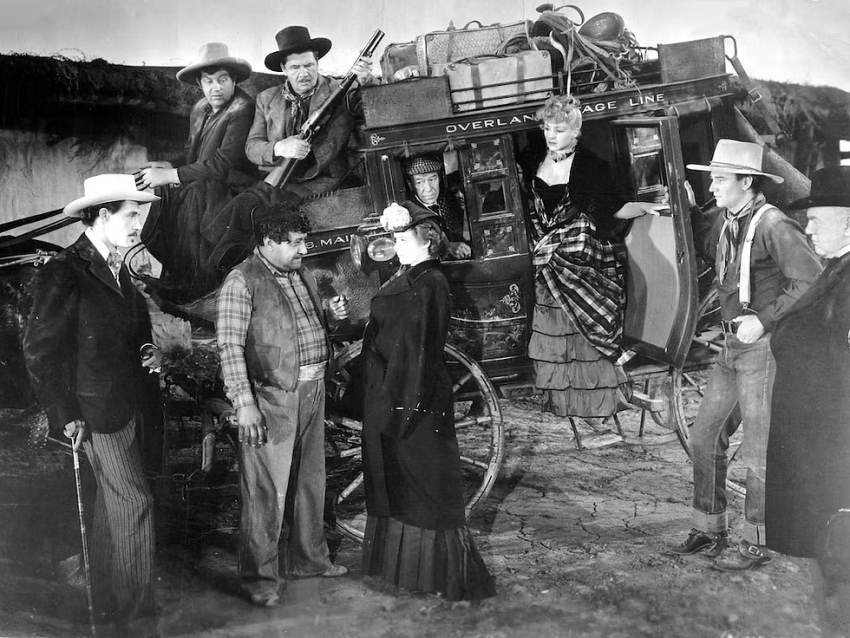
Yet even that landmark film shared the spotlight. MGM released The Wizard of Oz, which initially performed modestly at the box office but later grew into one of the most cherished movies ever made. Its imaginative storytelling and groundbreaking color effects created a fantasy world unlike anything audiences had seen.
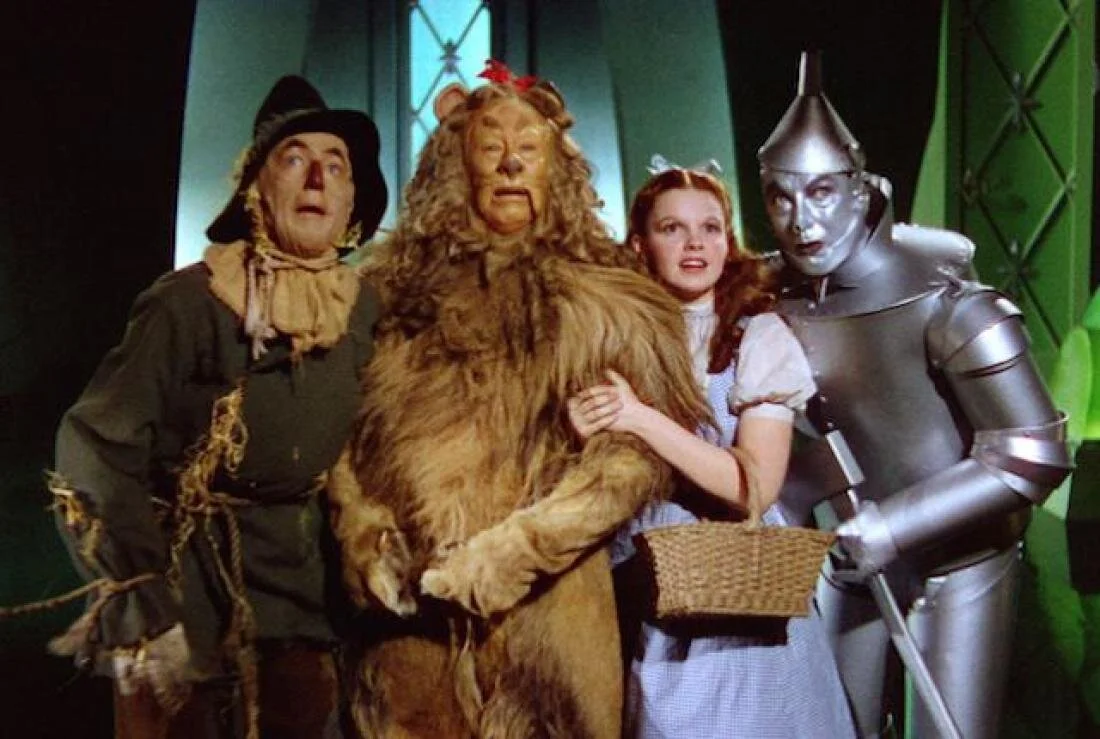
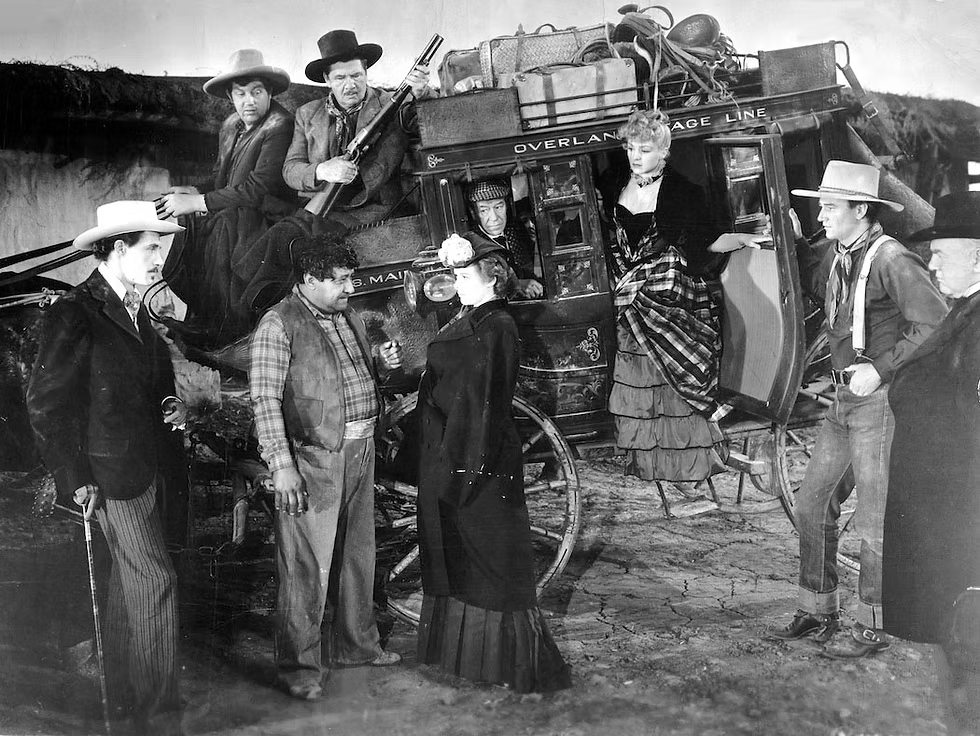
Meanwhile, director John Ford’s Stagecoach helped elevate the Western from routine entertainment into serious filmmaking. The movie also transformed John Wayne into a major star, proving that the genre could deliver both artistry and commercial success.
Comedy flourished as well. Ninotchka, starring Greta Garbo, surprised audiences by marketing itself with the tagline “Garbo Laughs!” — a notable departure for an actress known primarily for dramatic roles. Across town, Frank Capra delivered Mr. Smith Goes to Washington, a heartfelt political drama that resonated deeply with viewers who admired its idealism.
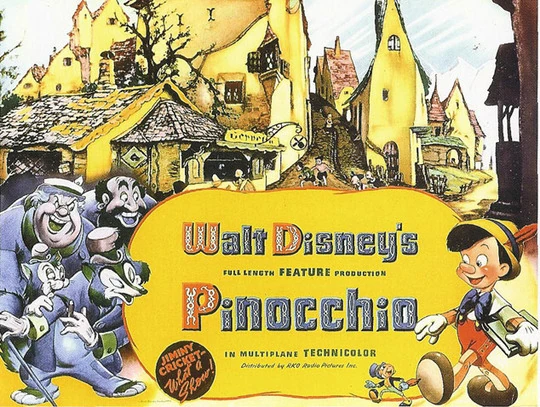
Animation achieved new heights when Disney released Pinocchio, demonstrating that animated films could possess emotional depth equal to live-action features. Though expensive to produce, it reinforced Disney’s reputation for creative ambition.
What made 1939 particularly remarkable was not just the number of excellent films but their variety. Epic dramas, whimsical fantasies, screwball comedies, sophisticated romances, and socially conscious stories all found eager audiences. Moviegoing had become America’s favorite escape, with weekly attendance reaching tens of millions.
The cultural backdrop adds another layer of significance. As tensions mounted in Europe, films offered reassurance, laughter, and inspiration. They reflected both nostalgia for simpler times and optimism about the future.
Many historians argue that such a year could never happen again. The collapse of the studio system, the rise of television, and later the fragmentation of audiences transformed the industry. Today’s blockbusters dominate conversation, but rarely does one year produce so many enduring classics across genres.
Looking back, 1939 represents more than a collection of great films — it captures Hollywood at the height of its creative confidence. Studios believed movies could be grand, emotional, and transportive, and audiences eagerly agreed.